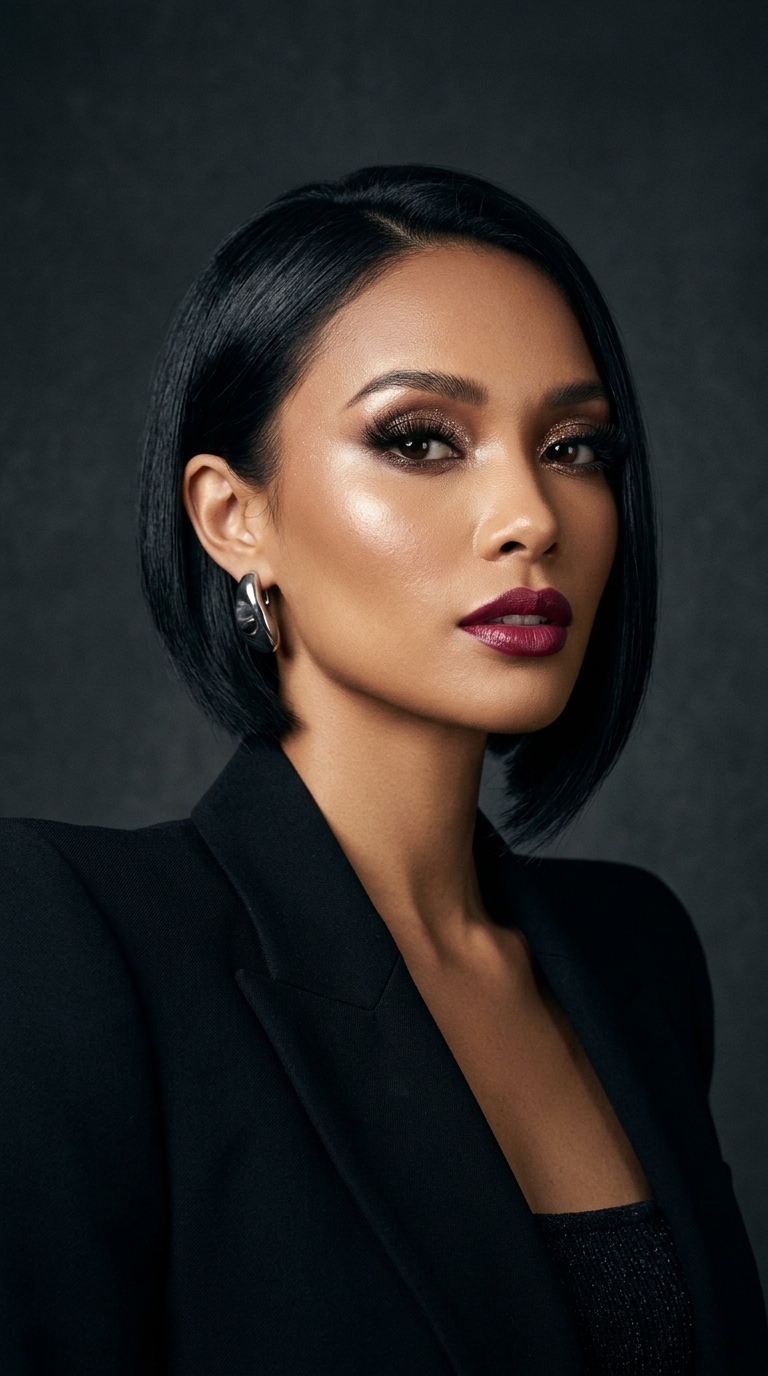

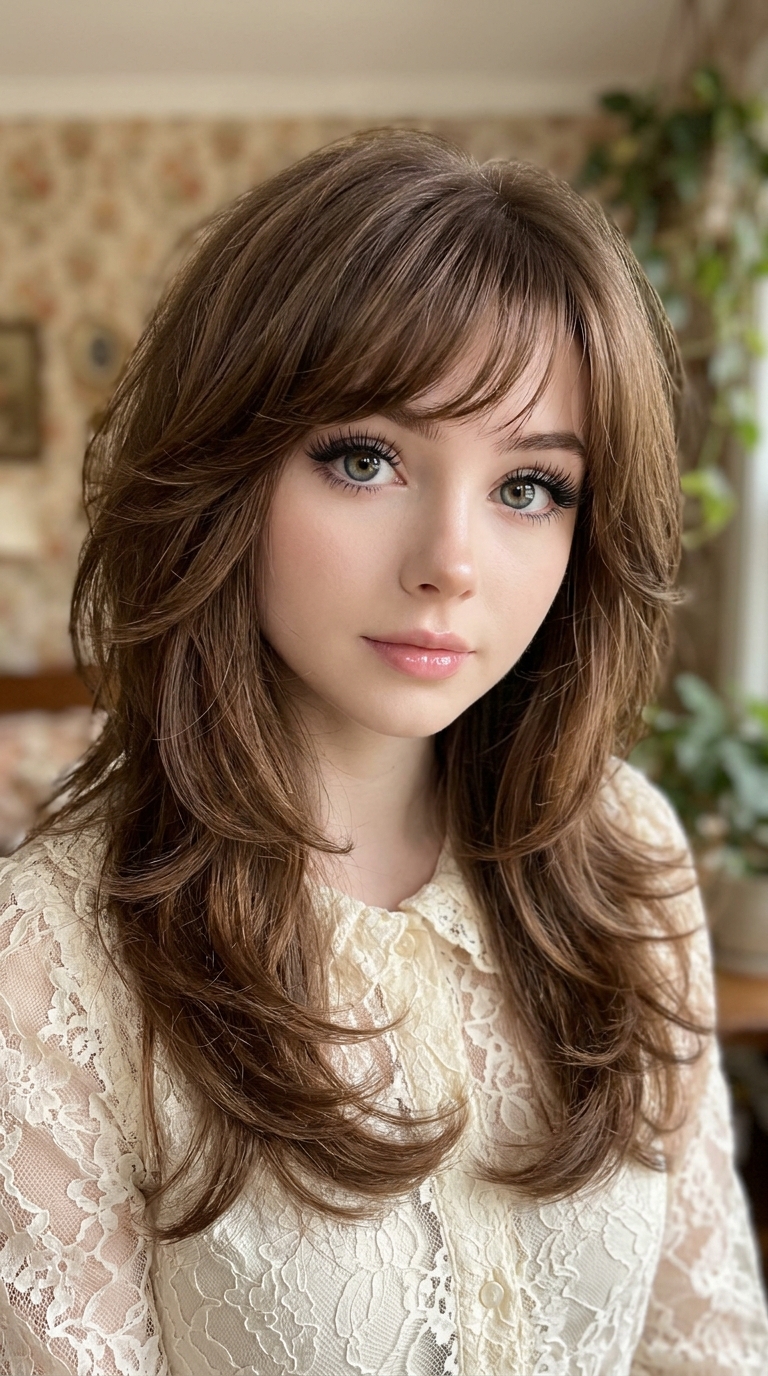
Medium-length hair is one of the most versatile hair lengths because it offers the perfect balance between short and long hairstyles. It is long enough for ponytails, waves, curls, and half-up styles, yet short enough to feel manageable and lightweight. However, if medium hair looks flat, heavy, or lacks shape, adding layers can make a noticeable difference.
Medium layered haircuts are designed to create movement, texture, and dimension without removing too much length. Depending on the cutting technique, layers can add volume to fine hair, reduce bulk in thick hair, highlight natural curls, and frame the face beautifully. From soft, barely-there layers to dramatic shaggy cuts, there is an option for almost every hair type and personal style.
Another advantage of medium layered hair is its flexibility. You can wear it straight for a polished appearance, style it in loose waves for a relaxed look, or let your natural curls create texture and volume. With the right haircut, medium-length hair can look fresh and stylish without requiring an elaborate daily routine.
In this guide, we will explore 15 beautiful medium layered haircuts, explain who each style suits best, and share practical styling tips to help you choose your next look.
1. Classic Medium Layered Haircut
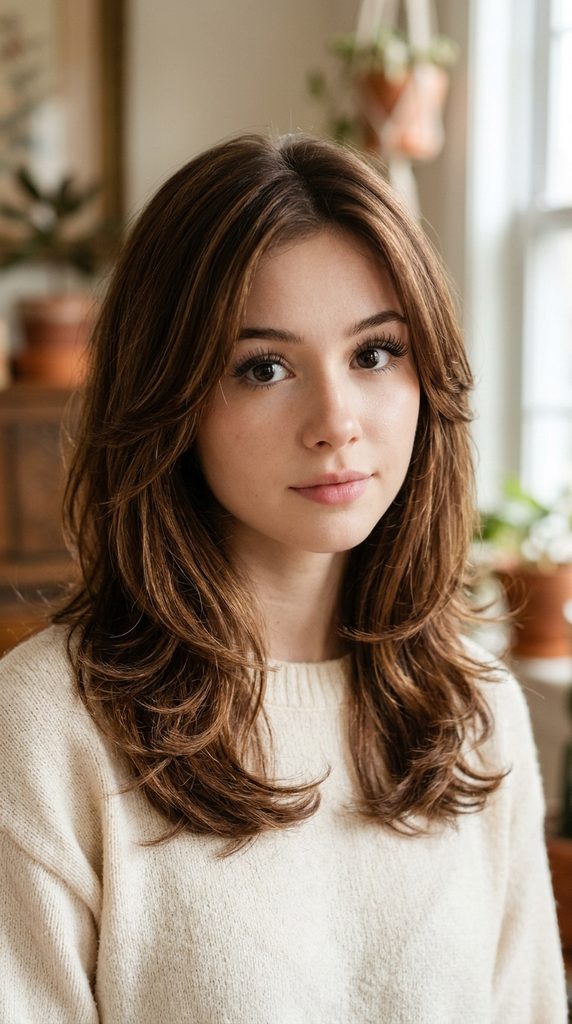
The classic medium layered haircut is a timeless option for anyone who wants movement without a dramatic change in length. The hair typically falls around the shoulders or collarbone, with layers distributed throughout to create a soft, balanced shape.
Unlike a blunt haircut, which can sometimes look heavy, this style allows the ends to move naturally. The layers can be subtle or more noticeable depending on your hair thickness and the amount of texture you prefer.
This haircut works particularly well for people who want a versatile everyday style. It looks attractive when blow-dried straight, curled with a styling tool, or left in its natural texture.
Styling tips:
- Use a round brush while blow-drying to create a smooth finish.
- Apply a lightweight volumizing product at the roots if your hair looks flat.
- Add loose waves to emphasize the different layers.
- Schedule regular trims to maintain the haircut’s shape.
The classic medium layered haircut is a reliable choice if you want something fashionable, practical, and easy to adapt to different occasions.
2. Medium Haircut With Face-Framing Layers
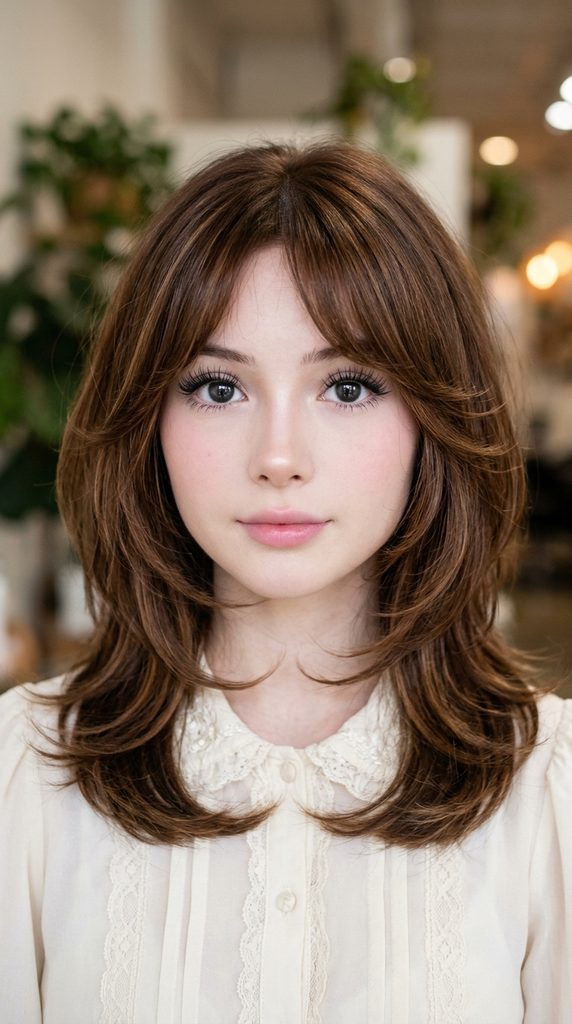
Face-framing layers are cut around the front of the hair to highlight your facial features. They can begin near the cheekbones, jawline, or chin, depending on the look you want to achieve.
When combined with medium-length hair, these layers create a flattering shape without requiring a full haircut transformation. The back can remain relatively long while the front pieces add softness and movement around the face.
This style is especially appealing if you like wearing your hair down but want it to look more styled. Face-framing pieces also work beautifully with ponytails and half-up hairstyles because they leave delicate strands around the face.
Styling tips:
- Use a round brush to curve the front pieces away from your face.
- Create loose waves for a softer, more romantic appearance.
- Ask your stylist to customize the starting point of the layers to suit your features.
- Avoid excessively short front layers if you prefer to tie your hair back frequently.
Face-framing layers can complement many face shapes, but the most flattering placement depends on your features, hair texture, and preferred styling routine.
3. Medium Butterfly Layered Haircut
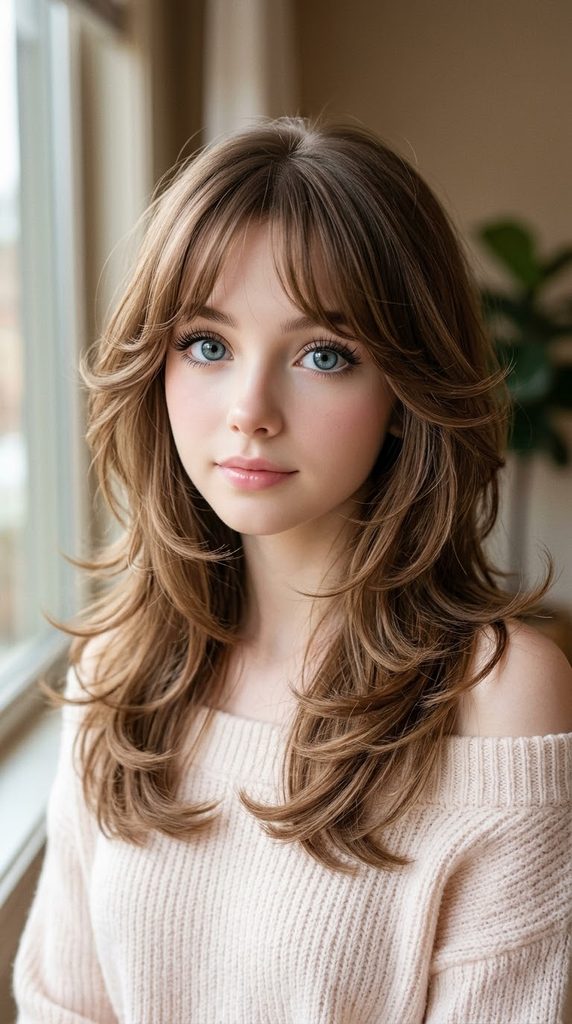
The butterfly haircut combines shorter, face-framing layers with longer layers throughout the hair. On medium-length hair, this creates a bouncy, voluminous appearance that can make the haircut look fuller and more dynamic.
The shorter layers create movement around the face, while the longer sections preserve the overall length. When styled with a blowout, the layers curve outward and give the hair a soft, wing-like effect.
This haircut is a great option for people who enjoy a salon-style finish and do not mind spending a little extra time styling their hair. It can also be adapted to different hair densities by adjusting how much weight is removed.
Styling tips:
- Use a large round brush or blowout brush to create lift.
- Curl the face-framing pieces away from the face for a classic butterfly effect.
- Apply heat protectant before using hot tools.
- Use a lightweight finishing spray to help the layers maintain their shape.
The medium butterfly haircut is particularly attractive when you want volume and movement while keeping a noticeable amount of length.
4. Medium Shag Layered Haircut
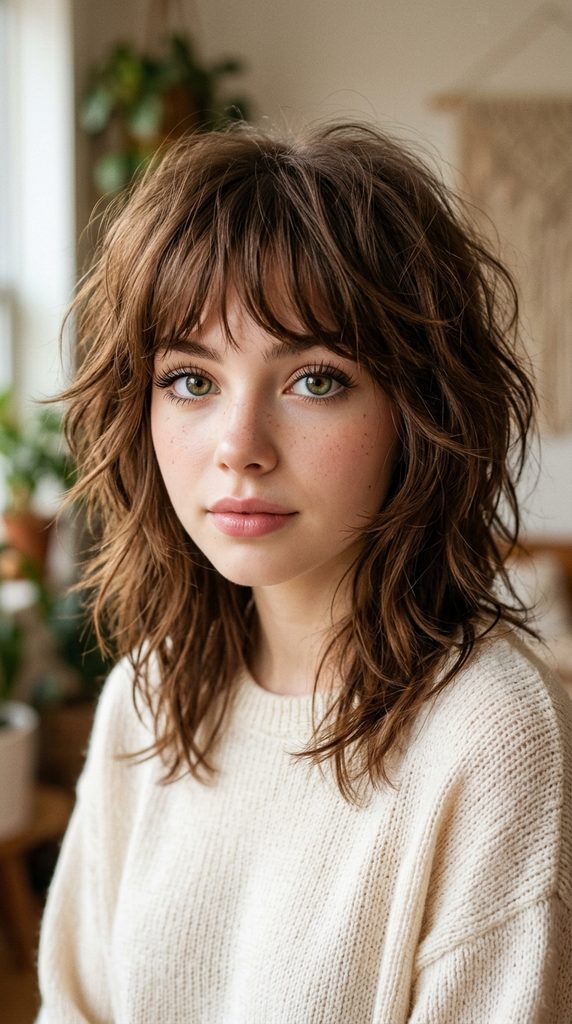
The medium shag is a relaxed, textured haircut with layers throughout the crown and sides. It often features a slightly undone finish, making it ideal for people who prefer a casual, effortless appearance.
Compared with a classic layered cut, the shag usually has more visible texture and a less uniform shape. Depending on the version, it may include curtain bangs, wispy fringe, or shorter layers around the crown.
This haircut works especially well with naturally wavy hair because the texture helps the layers fall into place. Straight hair can also look great with a shag, although styling products may be needed to create extra definition.
Styling tips:
Also read: Short Wolf Cut Ideas
- Apply texturizing spray to damp or dry hair.
- Scrunch natural waves to emphasize the layered shape.
- Use a diffuser on low heat if your hair is naturally wavy or curly.
- Ask for softer layers if you want a shag-inspired look without excessive volume at the sides.
A medium shag is perfect for anyone who wants a little edge, plenty of texture, and a hairstyle that does not need to look perfectly polished.
5. Medium Layered Haircut With Curtain Bangs
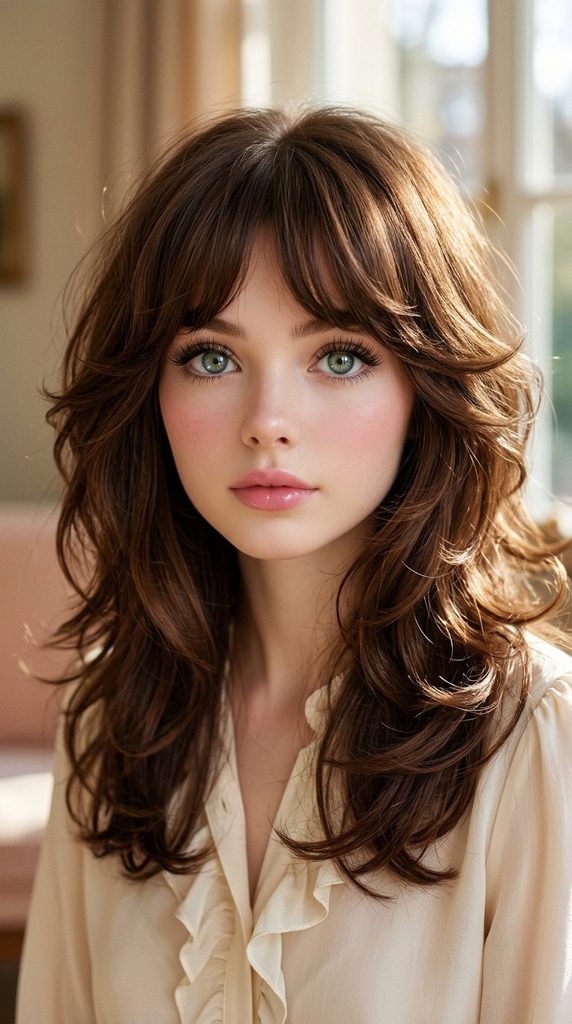
Curtain bangs are parted near the middle and sweep outward toward the sides of the face. When paired with medium layers, they create a soft, balanced hairstyle with a modern, flattering finish.
The bangs blend into the surrounding layers instead of forming a heavy, straight line across the forehead. This helps the haircut look connected and natural, especially when styled with waves or a blowout.
Curtain bangs can be customized to different lengths. Shorter versions create a more noticeable fringe, while longer versions blend easily into the face-framing layers.
Styling tips:
- Blow-dry the bangs from side to side before directing them away from the face.
- Use a small round brush to create a gentle curve.
- Keep styling products light around the fringe to prevent it from looking greasy.
- Trim the bangs regularly if you want them to remain at a specific length.
This haircut is an excellent choice if you want to update medium-length hair without sacrificing length or making a dramatic change.
6. Medium Layered Haircut for Fine Hair
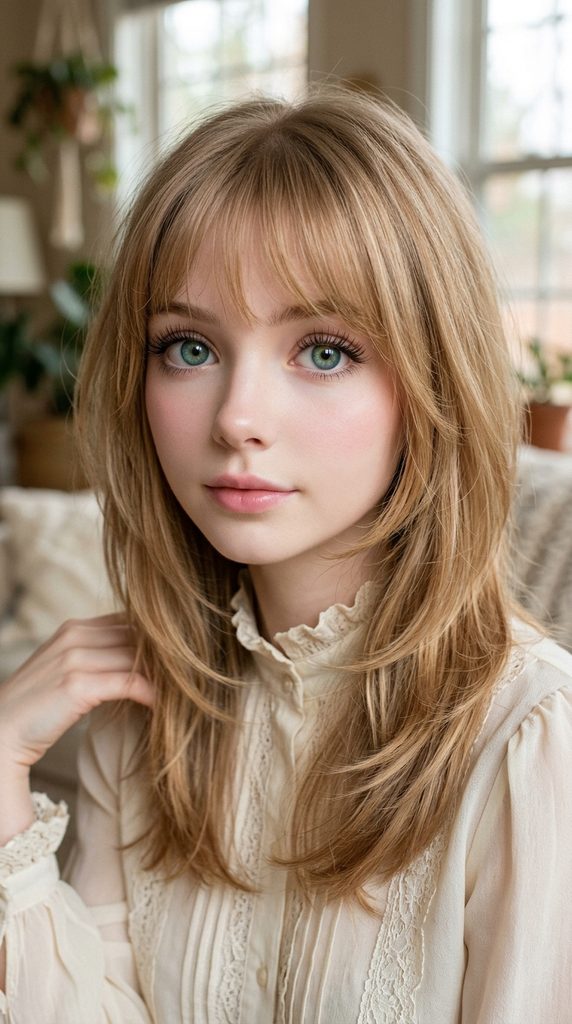
Fine hair can sometimes appear flat, particularly when it is cut to one length. Carefully placed layers can help create lift, shape, and the illusion of movement. The key is choosing layers that support fullness rather than removing too much density.
For fine hair, a medium cut with long, soft layers is often a practical option. The ends can retain enough thickness to make the hair look healthy, while subtle layers prevent the overall shape from appearing too heavy.
A collarbone-length cut can be especially flattering because it offers enough length for styling without placing too much weight on the roots.
Styling tips:
- Request subtle layers rather than excessive thinning.
- Use a lightweight volumizing mousse at the roots.
- Blow-dry the hair in sections to encourage lift.
- Avoid applying heavy oils or creams near the scalp.
Fine hair does not always need dramatic layers to look fuller. A thoughtful cut, a suitable parting, and light styling products can make a meaningful difference.
7. Medium Layered Haircut for Thick Hair
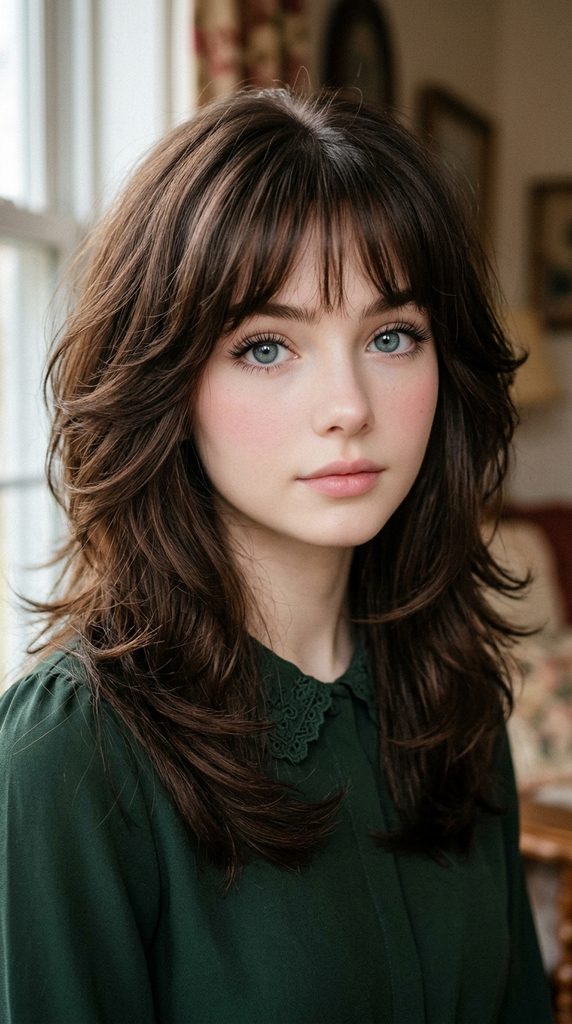
Thick hair can look beautiful at medium length, but it may become bulky around the sides and ends. Layers help distribute weight, improve movement, and make the haircut easier to style.
A medium layered haircut for thick hair often includes longer internal layers and carefully shaped ends. This allows the hair to maintain a full appearance while reducing the heavy, triangular shape that can develop when all the hair is cut to one length.
The amount of layering should depend on the hair’s texture. Thick, straight hair may benefit from a more structured shape, while thick waves may look best with layers that follow their natural pattern.
Styling tips:
- Ask your stylist to remove weight strategically rather than thinning every section.
- Use a smoothing cream if your hair tends to become puffy.
- Blow-dry in sections for a more controlled finish.
- Use a wide-barrel curling iron to create relaxed waves.
The right medium layers can make thick hair feel lighter without making the ends look thin or uneven.
8. Medium Layered Haircut for Naturally Wavy Hair
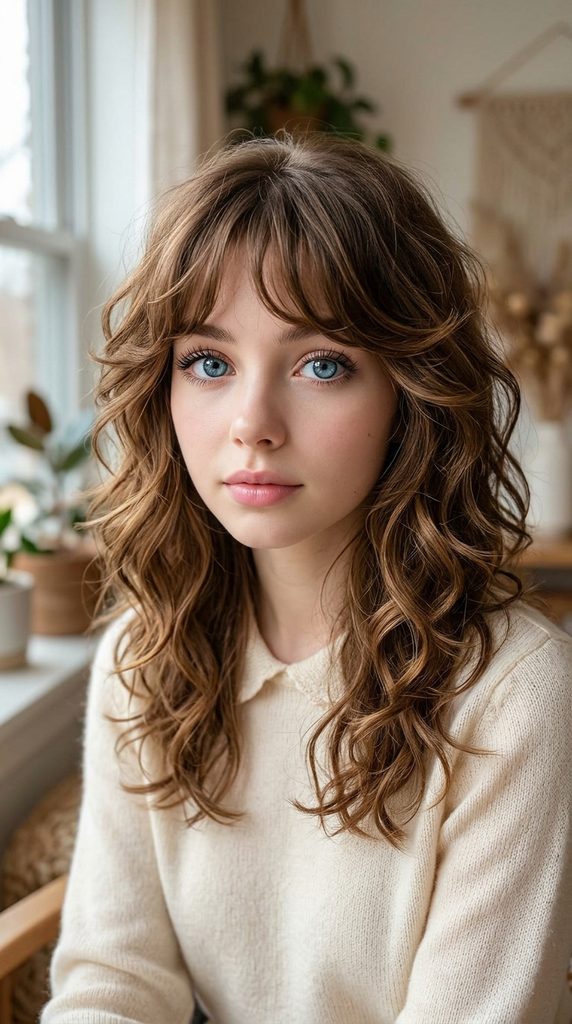
Natural waves and layers work beautifully together. Layers allow the hair to bend and move more freely, helping waves look defined rather than weighed down.
A medium wavy layered haircut usually features a balanced shape with layers that follow the hair’s natural movement. Depending on the desired result, the layers may be subtle for a soft appearance or more pronounced for extra texture.
This haircut is especially useful for people who want to embrace their natural waves instead of styling their hair straight every day.
Styling tips:
- Apply a lightweight curl cream or wave-enhancing product to damp hair.
- Scrunch gently to encourage the wave pattern.
- Use a diffuser if you want more volume.
- Avoid brushing the hair excessively once it has dried, as this can disrupt the wave definition.
Because waves behave differently from one person to another, ask your stylist to consider your natural texture and how much your hair shrinks or expands as it dries.
9. Medium Curly Layered Haircut
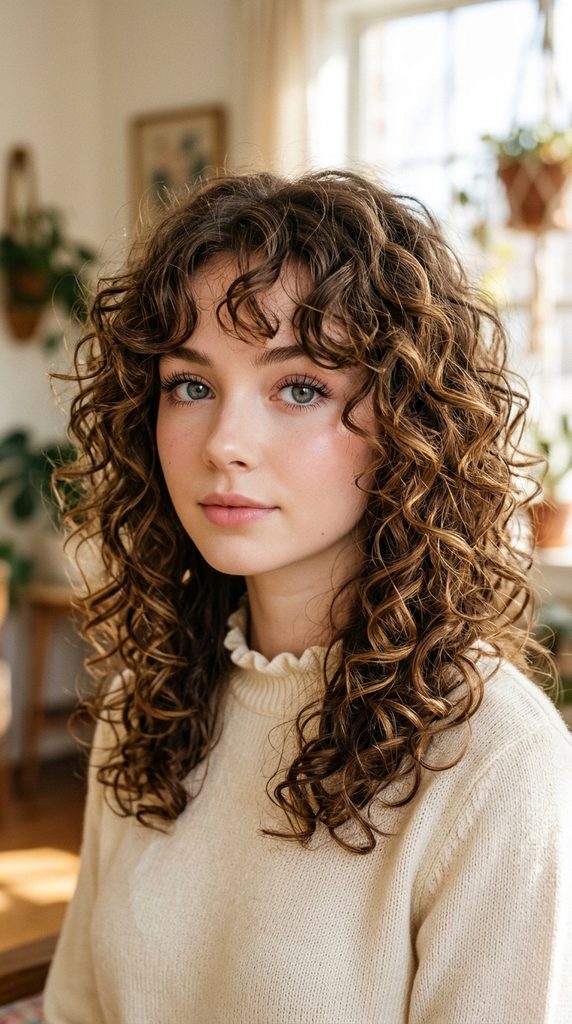
Curly hair can benefit from layers because they help distribute volume and give curls a more defined shape. Without suitable layering, medium-length curls may appear heavy at the bottom or wide around the sides.
A curly medium layered haircut is usually shaped to encourage curls to form naturally while preserving enough length for the desired silhouette. The placement of the layers is important because curls can spring upward when dry.
This style works with loose curls as well as tighter curl patterns, although the cutting technique should be customized to the individual’s texture and density.
Styling tips:
- Choose a stylist experienced in cutting naturally curly hair.
- Discuss whether the haircut should be shaped on dry hair, wet hair, or with a curl-by-curl approach.
- Use a leave-in conditioner or curl cream suited to your hair.
- Detangle gently with a wide-tooth comb while the hair is wet and conditioned.
For curly hair, the goal is not simply to add layers. It is to create a balanced shape that allows the curls to sit comfortably and maintain their definition.
10. Medium Layered Haircut With Side-Swept Bangs
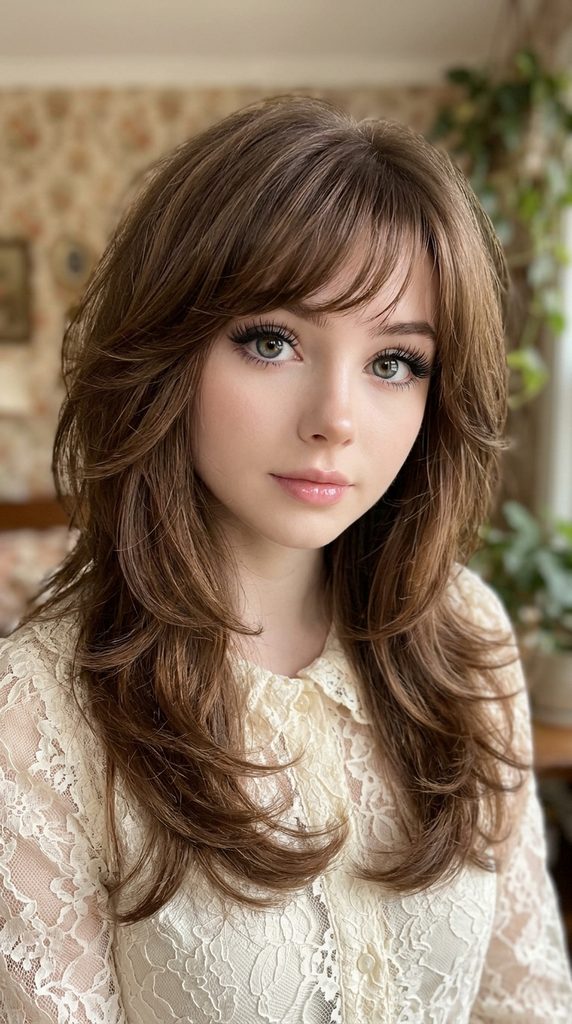
Side-swept bangs create a diagonal line across the forehead and blend into the surrounding layers. They offer a softer alternative to blunt bangs and can give medium-length hair a polished, slightly retro feel.
This haircut works well when you want to frame the face without committing to a full fringe. The bangs can be cut long enough to tuck behind the ear or blend into the front layers as they grow.
Side-swept bangs also pair nicely with straight hair, loose curls, and soft blowouts.
Styling tips:
- Blow-dry the bangs in the direction you want them to fall.
- Use a round brush to create a gentle curve.
- Add a little texture to the ends if you prefer a relaxed finish.
- Keep the layers connected so the fringe does not look separate from the rest of the haircut.
If you want a change that feels noticeable but remains easy to grow out, medium layers with side-swept bangs are worth considering.
11. Medium Layered Lob
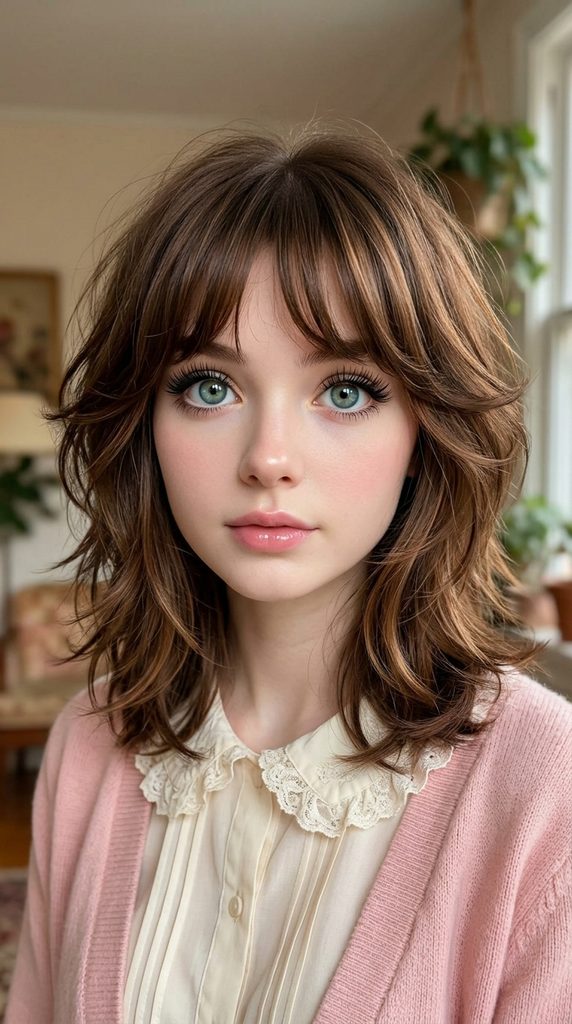
A layered lob, or long bob, combines the clean shape of a bob with the movement of longer layers. The length typically falls between the chin and shoulders, although some versions reach the collarbone.
Adding layers can soften the outline of the lob and prevent it from looking too heavy. The result can be sleek and sophisticated or textured and casual, depending on how it is styled.
This haircut is a good option for people who want a shorter hairstyle but are not ready for a traditional short bob. It also works well for busy routines because it generally requires less drying time than longer hair.
Styling tips:
- Blow-dry with a round brush for a smooth, curved finish.
- Use a flat iron for a sleek, straight look.
- Add loose bends with a curling iron for texture.
- Request a length that suits your hair’s natural volume and styling preferences.
A medium layered lob is a versatile choice that can look professional, relaxed, or glamorous with relatively small styling changes.
12. Medium Layered Haircut With Feathered Ends
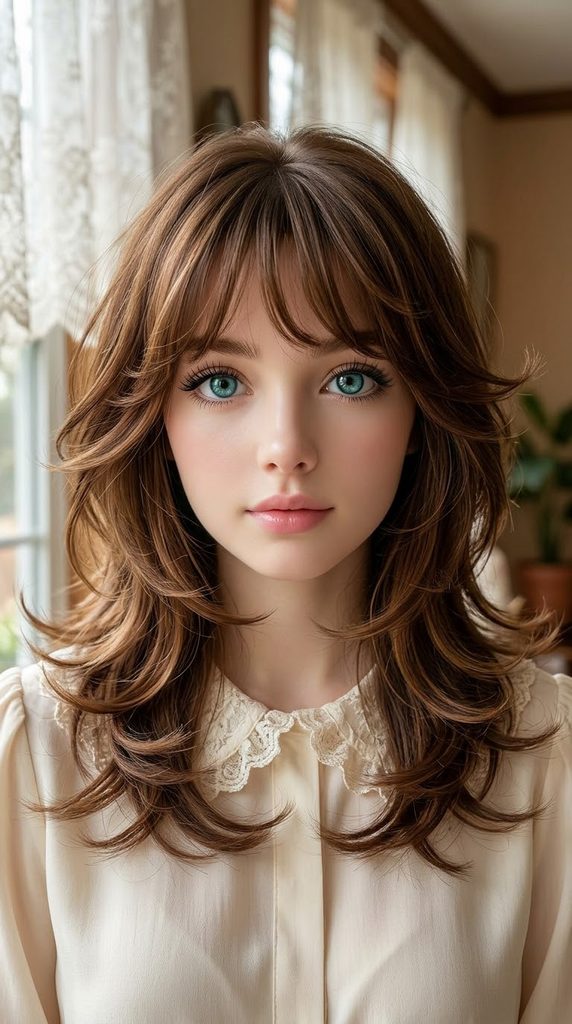
Feathered layers create a soft, airy finish, particularly around the sides and ends of the hair. Instead of forming a thick, blunt edge, the ends are shaped to blend smoothly into one another.
This style is inspired by classic feathered hairstyles but can be adapted to look contemporary. On medium hair, feathering adds movement and helps the haircut appear lighter without necessarily creating dramatic short layers.
It is especially attractive when styled with a blowout because the ends can curve away from the face or gently flip outward.
Styling tips:
- Use a round brush to direct the ends outward or inward.
- Add a lightweight smoothing serum for shine.
- Create a soft side part for a classic finish.
- Ask your stylist to preserve enough density if your hair is fine.
Feathered ends are ideal if you like movement and a soft finish but prefer a more polished appearance than a heavily textured shag.
13. Medium Layered Haircut With a Middle Part
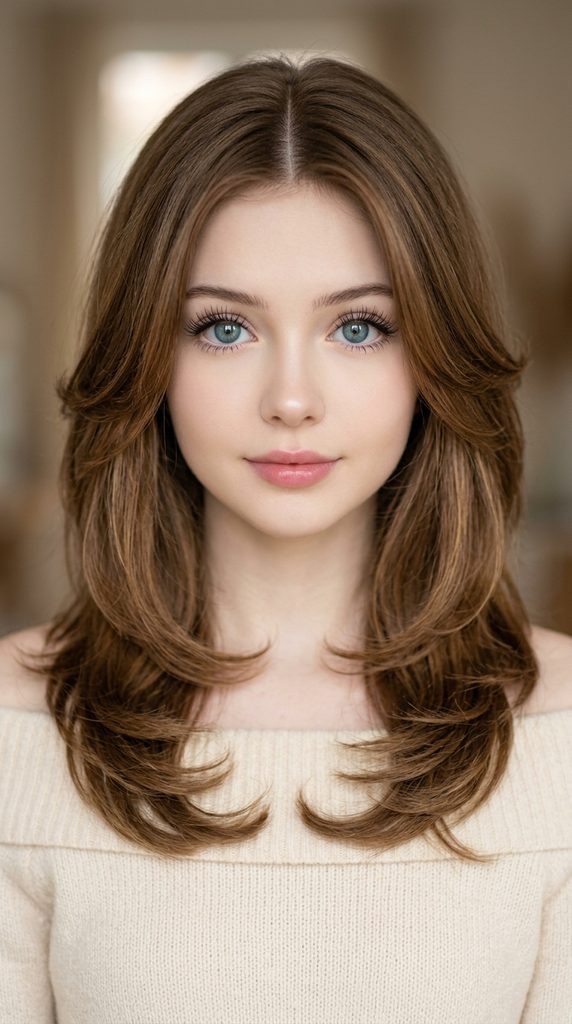
A middle part creates a balanced, symmetrical look and pairs naturally with medium-length layers. It can make the hairstyle feel modern and clean while allowing the front sections to frame both sides of the face.
This haircut can be worn sleek and straight, with loose waves, or with a voluminous blowout. Face-framing layers can add softness, while longer layers through the back help the hair move without losing its overall shape.
A middle part does not suit every styling preference, but it is easy to experiment with before making a permanent decision.
Styling tips:
- Create the part while your hair is damp so it has time to settle.
- Use a blow-dryer to direct the roots on both sides.
- Add soft bends around the face for a relaxed look.
- Try a slightly off-center part if a perfectly centered part feels too severe.
Medium layers with a middle part offer a simple way to make an everyday haircut feel intentional and fashionable.
14. Medium Layered Haircut With Balayage
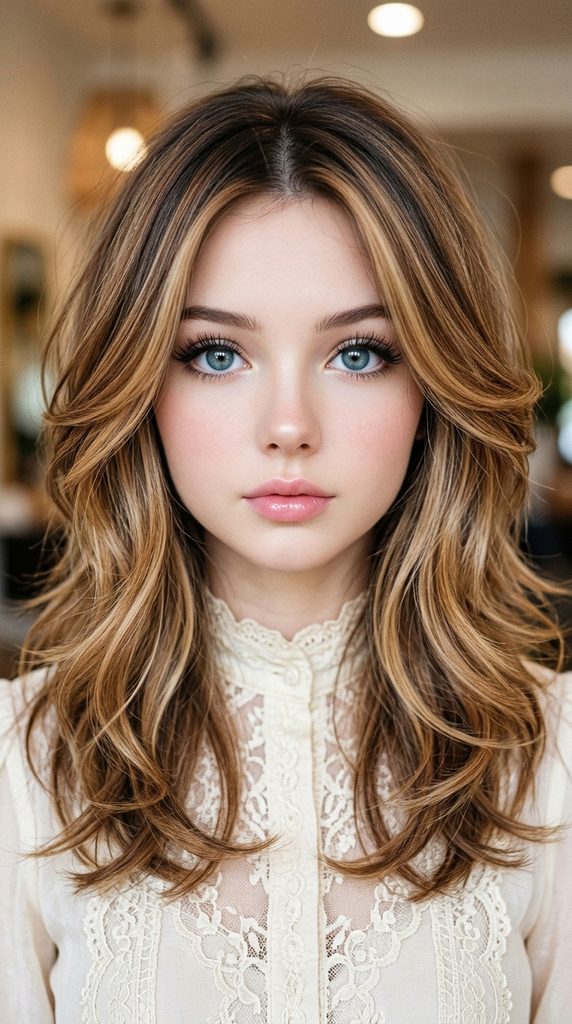
Balayage is a hair-coloring technique that creates a softly blended transition between the base color and lighter pieces. When paired with medium layers, it can emphasize the haircut’s movement and give the hair additional visual dimension.
The layers create different angles and shapes, while the color helps highlight selected sections. This combination can work with blonde, caramel, honey, copper, or other shades that complement the natural base color.
You do not need dramatic contrast to achieve a beautiful result. Subtle balayage can add dimension while keeping the overall appearance natural.
Styling tips:
- Choose tones that complement your base color and skin undertone.
- Add loose waves to make the color transitions more visible.
- Use color-safe shampoo and conditioner when appropriate.
- Follow your colorist’s advice on glossing, toning, and maintenance.
Remember that balayage is a color service rather than a haircut. If you prefer not to color your hair, medium layers alone can still create plenty of movement and shape.
15. Medium Layered Haircut With Soft Beach Waves
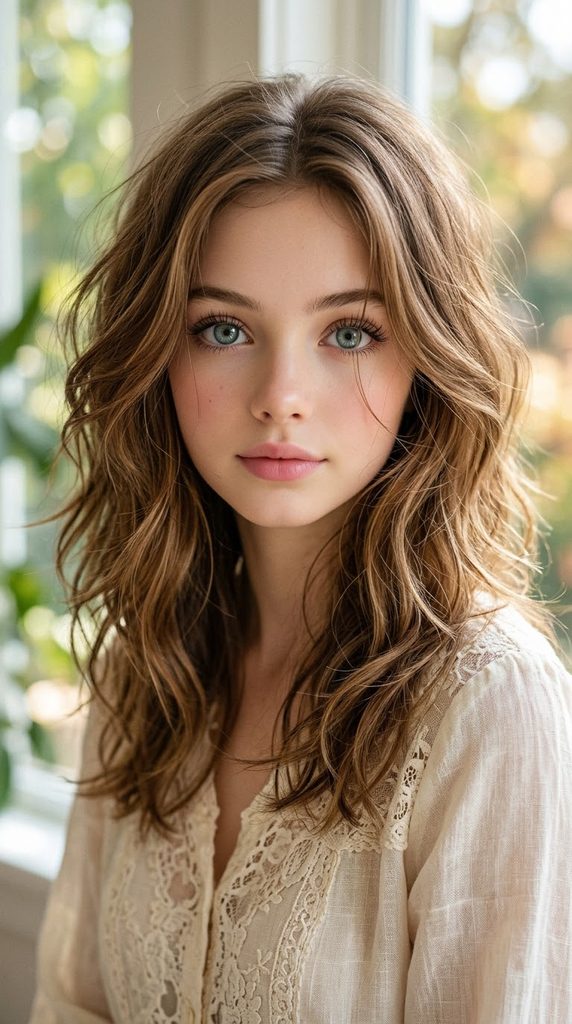
Soft beach waves give medium layered hair a relaxed, textured appearance. The waves highlight the different lengths throughout the haircut, making the hair look fuller and more dynamic without appearing overly styled.
This combination works well for everyday wear, holidays, casual events, and evenings out. You can create the waves with a curling iron, a flat iron, or by enhancing your natural texture.
The key is keeping the finish loose. Uniform, tightly curled sections can create a different look, while irregular bends produce the relaxed effect associated with beach waves.
Styling tips:
- Apply heat protectant before using hot tools.
- Alternate the direction of the waves for a natural finish.
- Leave the ends slightly straighter if you prefer a modern look.
- Use a small amount of texturizing spray to separate the waves.
Soft beach waves are an easy way to show off medium layers and make the haircut look fresh without needing a complicated styling routine.
How to Choose the Best Medium Layered Haircut
With so many options available, choosing the right haircut can feel overwhelming. The best style is one that suits your natural hair, complements your features, and fits the amount of time you want to spend styling.
Consider Your Hair Type
Your natural hair texture should guide the type and placement of your layers.
- Fine hair: Choose soft, longer layers that preserve fullness at the ends.
- Thick hair: Consider strategically placed layers to reduce bulk and improve movement.
- Wavy hair: Choose layers that enhance the natural wave pattern.
- Curly hair: Work with a stylist who understands how curls shrink and form when dry.
- Straight hair: Use layers to create movement, shape, and face-framing detail.
Think About Your Face Shape
Face shape can be a helpful starting point, but it should not limit your choices. Hair density, personal preference, and styling habits are equally important.
- Round faces: Longer face-framing pieces or layers below the cheekbones may create an elongated effect.
- Oval faces: Many medium layered styles can work, including curtain bangs, butterfly layers, and lobs.
- Square faces: Soft layers around the jaw and gentle waves can create a less angular appearance.
- Heart-shaped faces: Layers around the chin and collarbone can help balance the proportions.
- Long faces: Curtain bangs or fuller layers around the sides may add width and softness.
These are general styling suggestions rather than strict rules. A skilled stylist can customize the haircut to your individual features.
Decide How Much Styling You Want to Do
Some layered haircuts look their best with a blowout, while others are designed to work with natural texture.
If you prefer low-maintenance hair, consider a classic layered cut, a softly layered lob, or a style that follows your natural waves. If you enjoy using a round brush or curling iron, butterfly layers and feathered styles may offer more opportunities for styling.
Be honest about your daily routine when discussing your haircut. A style that looks beautiful in a salon but requires more effort than you want may not be the best long-term choice.
Bring Reference Photos to Your Stylist
Pictures can help communicate the overall shape, layer placement, and finish you want. Try to bring photos that show hair with a texture and thickness similar to yours.
Explain what you like about each reference. You might prefer the length of one haircut, the bangs of another, and the volume of a third. Your stylist can combine those preferences into a look that works with your hair.
How to Maintain Medium Layered Hair
A layered haircut can remain attractive with a few consistent care habits. The exact routine depends on your hair type, the haircut’s structure, and whether you use heat or color treatments.
Get Regular Trims
Layers can lose their shape as the hair grows. Many people benefit from a trim every six to twelve weeks, although the ideal schedule depends on the haircut and how quickly the hair grows.
Bangs and shorter face-framing sections may need attention sooner than longer layers. You do not necessarily need to remove much length during every appointment; sometimes a small shape-up is enough.
Use Suitable Shampoo and Conditioner
Choose products based on your scalp and hair needs. Fine hair may respond better to lightweight formulas, while dry, thick, or curly hair may need more conditioning.
Apply conditioner mainly to the lengths and ends if your roots become oily quickly. For curly hair, a more moisturizing routine may help improve softness and definition.
Protect Your Hair From Heat
Frequent use of blow-dryers, straighteners, and curling irons can contribute to dryness and breakage. Apply a heat protectant before styling and use a temperature suitable for your hair type.
Whenever possible, alternate heat styling with air-drying or heat-free techniques. Healthy ends help layers look smoother and more defined.
Avoid Too Much Product
Layered hair often benefits from movement, so heavy styling products can sometimes make it look flat or greasy.
Use a small amount of mousse, curl cream, smoothing serum, or texturizing spray, depending on your desired finish. Add more only when needed rather than applying several products at once.
Adjust Your Routine to the Season
Humidity can make some hair types frizzy, while dry weather may leave the ends feeling rough. You may need a different styling product or conditioning routine as the weather changes.
For color-treated hair, follow your stylist’s recommendations for maintaining the shade and protecting the hair’s condition.
Frequently Asked Questions
1. Are medium layered haircuts good for all hair types?
Medium layered haircuts can work with straight, wavy, and curly hair, as well as fine and thick hair. However, the amount and placement of the layers should be customized. Fine hair may need subtle layering to preserve fullness, while thick hair may benefit from more strategic weight removal.
2. Do layers make medium hair look thicker?
Layers can create the appearance of volume and movement, but they do not physically increase the number of hairs. For fine hair, long, subtle layers may create a fuller look. Too many short layers can make the ends appear thinner, so it is important to choose a suitable technique.
3. Which medium layered haircut is easiest to maintain?
A classic medium layered haircut or a softly layered lob is often a practical choice. These styles can work with different textures and usually do not require elaborate daily styling. The easiest option for you will depend on how your hair naturally falls.
4. Are medium layers suitable for women over 40 or 50?
Absolutely. Medium layered haircuts can look elegant and modern at any age. Face-framing layers, a layered lob, feathered ends, and soft waves are all options worth considering. Choose the style you enjoy rather than feeling limited by age-based hairstyle rules.
5. Can I get layers without losing much length?
Yes. Ask for long, subtle layers while keeping the overall perimeter of your hair at your preferred length. Face-framing layers can also add shape around the front without requiring a significant change to the back.
6. Are bangs necessary with medium layered hair?
No. Medium layers look beautiful with or without bangs. Curtain bangs, side-swept bangs, and wispy fringe are optional additions that can change the overall appearance of the haircut.
7. How often should I trim medium layered hair?
A trim every six to twelve weeks works for many people, but the ideal schedule varies. Shorter layers and bangs may need more frequent maintenance, while longer layers can often grow out more gradually.
8. Can medium layered hair look good without heat styling?
Yes. The right haircut can work with your natural texture. Air-drying products, curl creams, leave-in conditioners, and gentle scrunching techniques can help you style your hair without using hot tools every day.
Final Thoughts
Medium layered haircuts offer a wonderful combination of versatility, movement, and manageable length. Whether you prefer a classic layered cut, a voluminous butterfly haircut, a textured shag, or a softly layered lob, there is a style that can complement your hair type and personal taste.
The most important thing is to choose layers that work with your natural texture rather than against it. Fine hair often benefits from subtle layering, thick hair may need carefully distributed weight, and wavy or curly hair looks best when the layers support its natural pattern.
Before your next salon appointment, consider your preferred length, daily styling routine, and the amount of maintenance you are comfortable with. Bring reference photos and discuss your expectations with your stylist.
With the right cut and a simple care routine, medium layered hair can look fresh, flattering, and stylish every day.

- 15 Short Wavy & Curly Hairstyles for Women to Try in 2026 - October 24, 2026
- Short Wavy & Curly Hairstyles - October 24, 2026
- Medium Layered Haircuts - October 24, 2026