

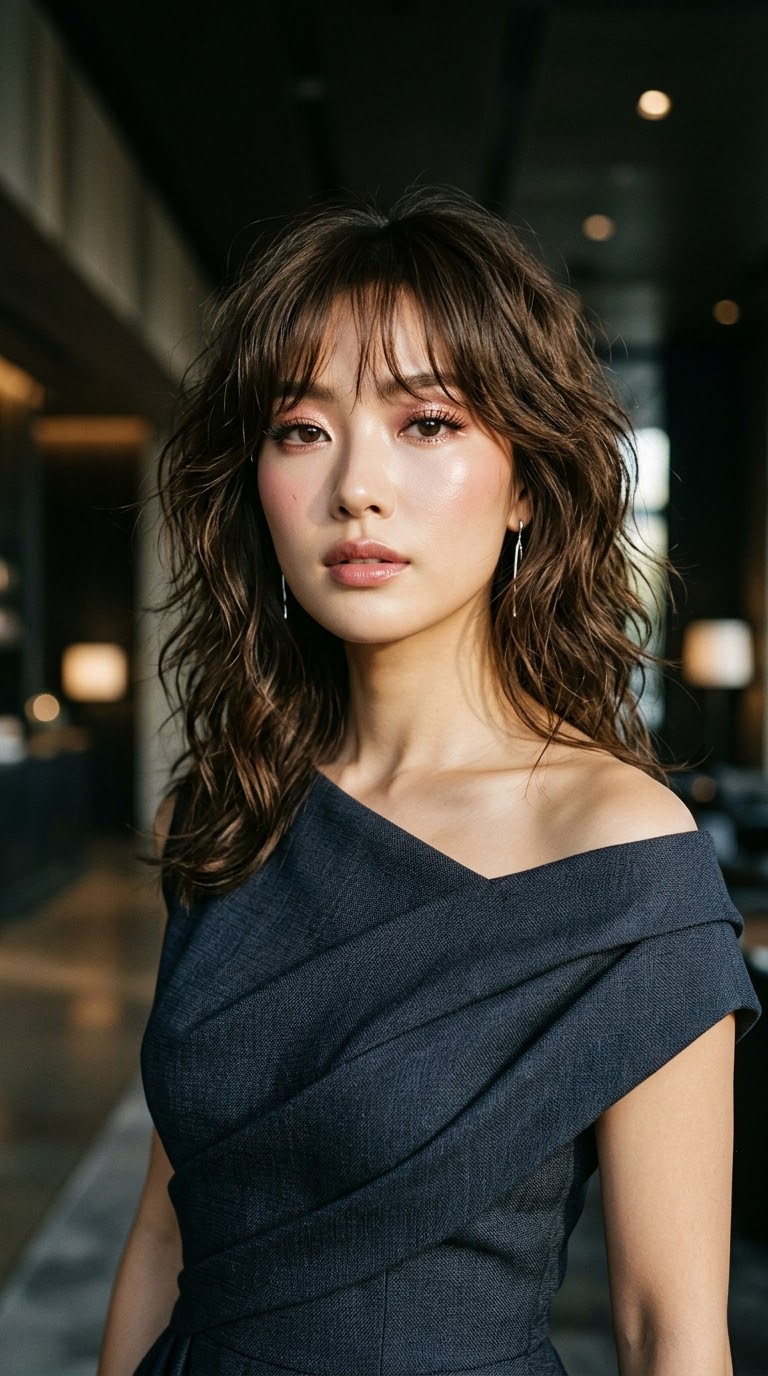
Looking for a haircut that feels modern, effortless, and full of personality? The Korean wolf cut might be exactly what you need. Inspired by Korean hair trends, this hairstyle combines soft, face-framing layers with a voluminous crown and textured ends to create a look that feels stylish without being overly polished.
The Korean wolf cut has become a favorite among people who love layered hair with natural movement. Unlike a traditional one-length haircut, it gives the hair more shape and dimension. Shorter layers around the top add volume, while longer sections at the back maintain length and create the signature wolf-cut silhouette.
One of the best things about this haircut is how easily it can be customized. You can choose a subtle version with blended layers, add wispy Korean bangs, or try a more dramatic cut with choppy ends. It can also be adapted for short, medium, and long hair, making it suitable for different preferences and hair textures.
Whether you prefer a cute, soft Korean aesthetic or a bold, edgy appearance, there is a Korean wolf cut that can match your style. Here are 15 trendy variations to inspire your next salon visit.
1. Classic Korean Wolf Cut
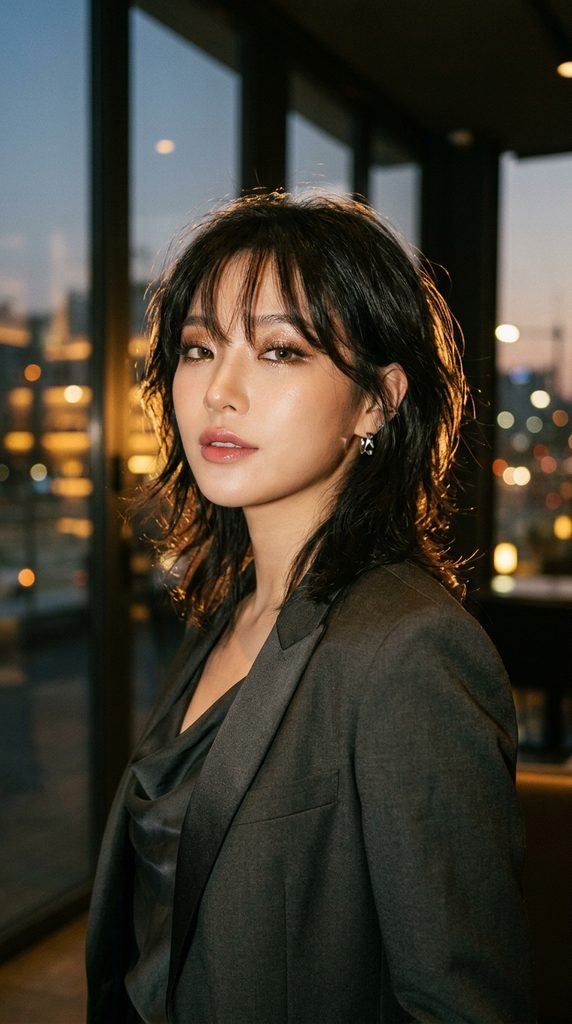
The classic Korean wolf cut is a great starting point if you want the signature look without going too dramatic. It features shorter layers around the crown, soft face-framing pieces, and longer, textured ends at the back.
What makes this version appealing is its balanced shape. The upper layers add volume, while the longer sections keep the hairstyle from looking too short or heavily chopped. The result is a relaxed, youthful look that works for everyday wear.
This style is especially suitable for medium-length hair, although it can also be adapted for longer lengths. Ask your hairstylist to blend the layers smoothly if you prefer a softer finish.
How to style: Apply a lightweight volumizing mousse to damp hair. Blow-dry the roots using a round brush, then create loose bends through the ends for extra movement.
2. Korean Wolf Cut with Curtain Bangs
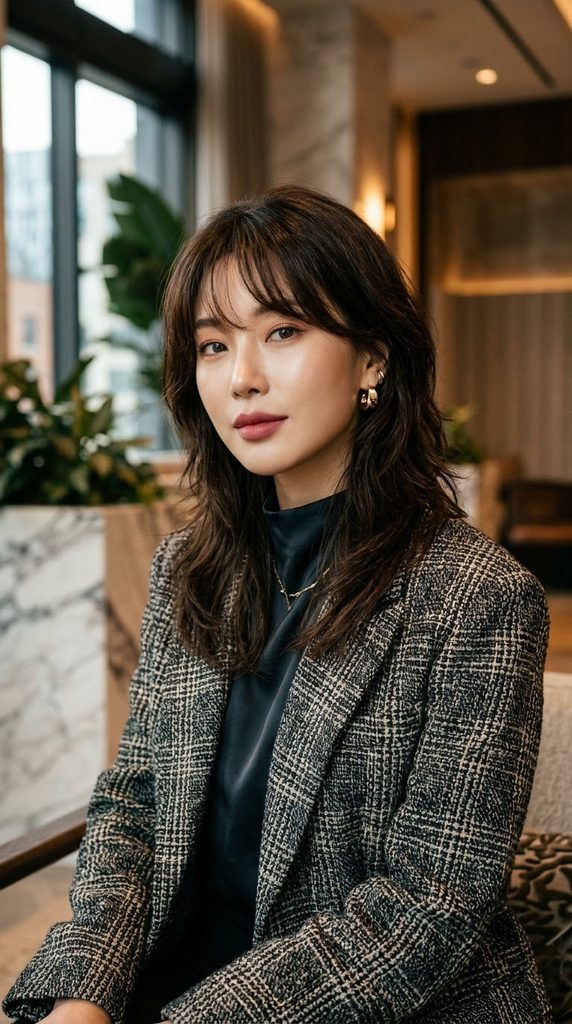
Curtain bangs are one of the most popular additions to a Korean wolf cut. These bangs part around the center of the forehead and gradually become longer toward the sides, blending into the face-framing layers.
This combination creates a soft frame around the face without the commitment of a thick, blunt fringe. It also adds detail to the haircut and helps connect the shorter front sections with the longer layers.
You can choose shorter curtain bangs for a playful appearance or longer ones that sit around your cheekbones. The best length depends on your face shape, hair texture, and preferred styling routine.
How to style: Blow-dry the bangs away from your face with a round brush. Let the ends curve gently outward and finish with a small amount of lightweight styling cream.
3. Short Korean Wolf Cut
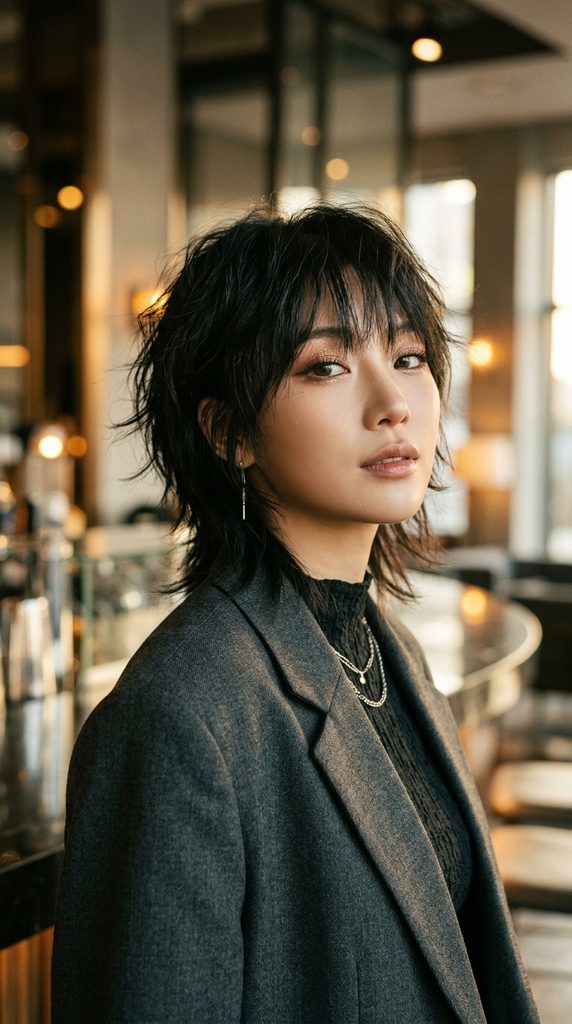
A short Korean wolf cut is perfect if you want a noticeable change without choosing a traditional pixie cut. The layers usually sit around the jawline, chin, or upper shoulders, depending on the desired length.
The shorter shape makes the crown volume and textured ends more visible. It can look playful and slightly edgy while still maintaining the soft, layered appearance associated with Korean hairstyles.
This haircut is a good option for people who enjoy textured hair and want a style that feels lighter than a longer cut. However, very short layers may need a little styling to maintain their shape.
How to style: Work a small amount of texturizing cream through the ends. Use your fingers to lift the roots while blow-drying, and keep the finish slightly tousled rather than perfectly smooth.
4. Long Korean Wolf Cut
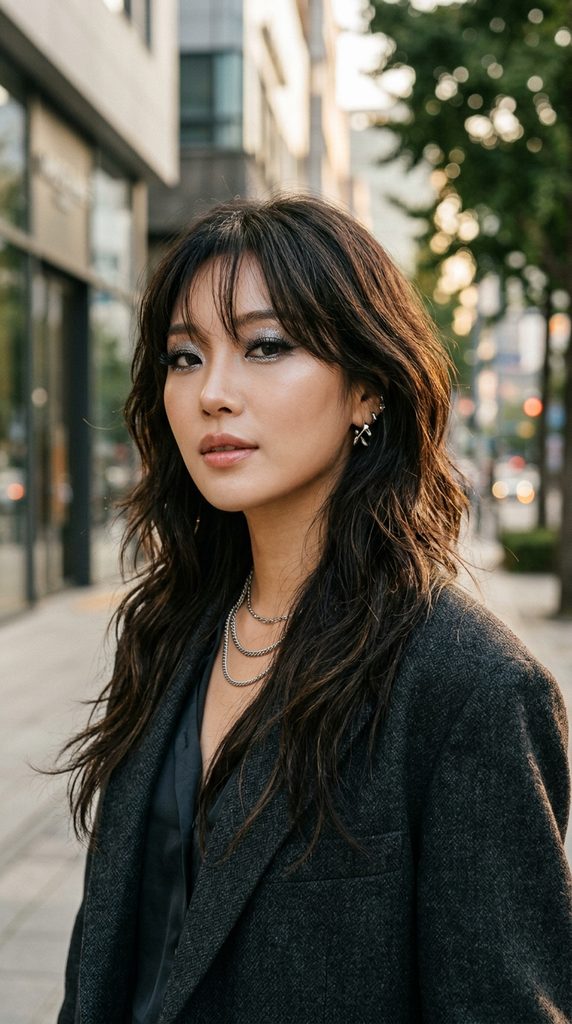
Want to keep your long hair while giving it a fresh shape? A long Korean wolf cut adds shorter layers around the crown and face while preserving length through the back.
This version creates movement without requiring you to sacrifice your long locks. It can make heavy hair appear lighter and give the upper sections more volume.
Long wolf cuts are particularly appealing if your hair tends to look flat or lacks shape around the face. The layers can be subtle or more pronounced, depending on how dramatic you want the final result to be.
How to style: Use heat protectant before blow-drying. Lift the roots with a round brush and add loose waves to the mid-lengths. Avoid heavy products that can flatten the crown.
5. Korean Wolf Cut with Wispy Bangs
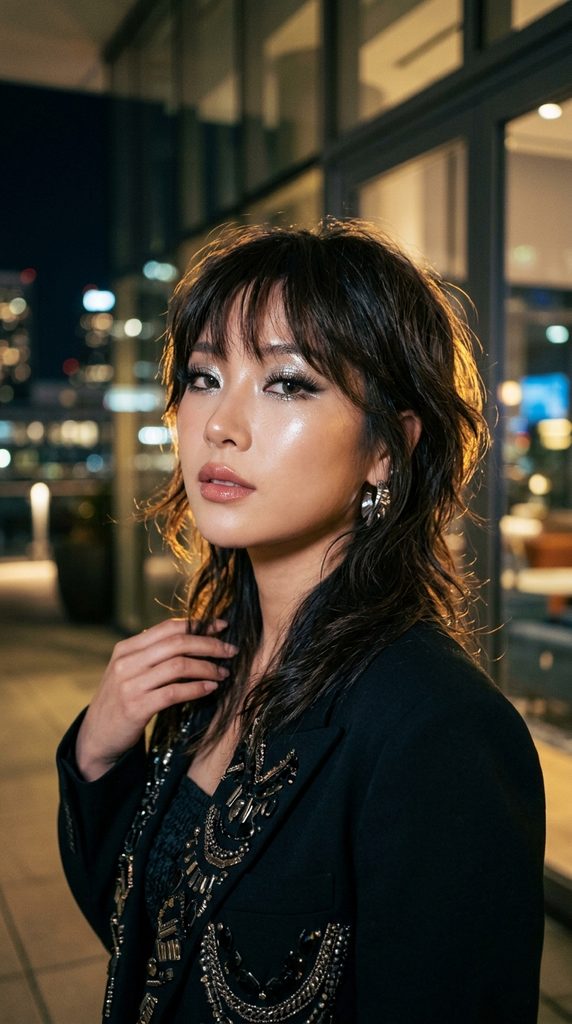
Wispy bangs give the Korean wolf cut a delicate, airy appearance. Instead of a thick fringe, this style features fine strands that allow some of the forehead to show through.
The light bangs blend naturally with the shorter layers around the face, creating a soft and relaxed finish. They are a good choice if you want to try bangs without making them the main feature of your haircut.
Wispy bangs can work with short, medium, or long wolf cuts. They are especially attractive when paired with feathered layers and a little natural texture.
How to style: Blow-dry the bangs gently with a small round brush. Separate a few strands with your fingers and use minimal styling product to keep the fringe light.
6. Korean Wolf Cut for Medium-Length Hair
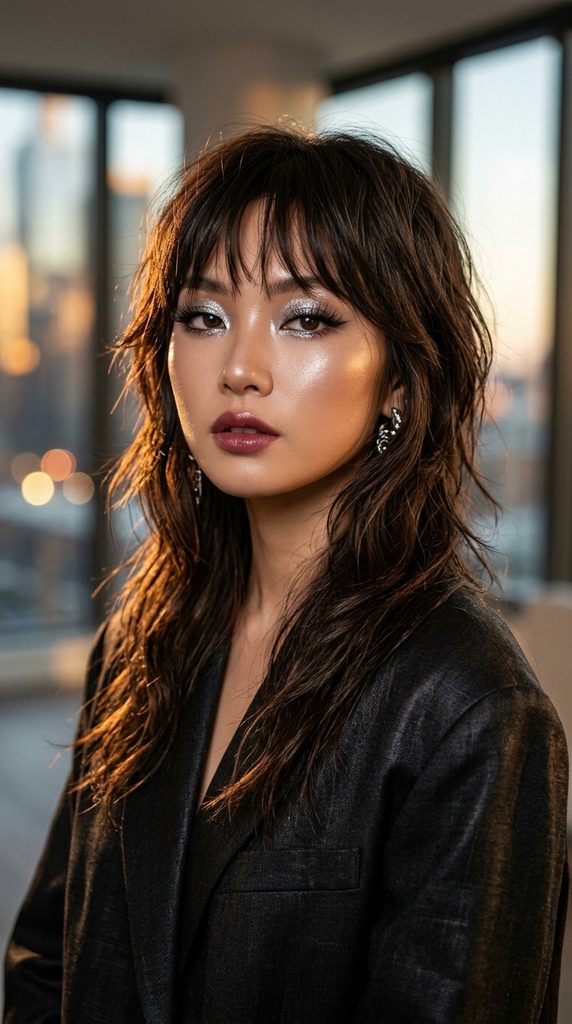
Medium-length hair is an excellent choice for a Korean wolf cut because it offers enough length for visible layers while remaining relatively easy to manage.
The haircut often features a lifted crown, face-framing pieces, and textured ends that fall around the shoulders or collarbone. It provides a balanced shape that feels modern without requiring a major length change.
If you want a versatile haircut for school, work, or everyday activities, this version is worth considering. You can wear it naturally, style it with loose waves, or create a smoother finish for special occasions.
How to style: Apply lightweight mousse before drying. Use a round brush to lift the upper layers and add a few loose waves around the face to emphasize the shape.
7. Soft Korean Wolf Cut
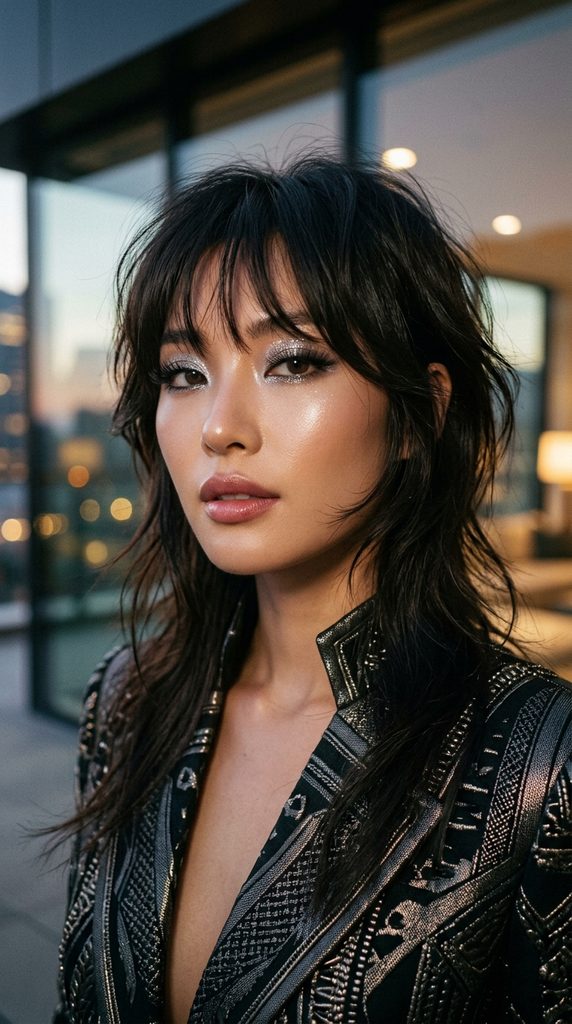
Not everyone wants dramatic layers or sharply textured ends. A soft Korean wolf cut offers a more subtle interpretation of the trend, with smoothly blended layers and gently feathered tips.
This version creates movement while keeping the overall appearance polished and feminine. It is an excellent choice if you are trying a wolf cut for the first time and want something that feels familiar rather than extreme.
The soft version also works well for people who prefer hairstyles that look attractive without extensive daily styling.
How to style: Blow-dry the hair with a round brush, curving the ends slightly inward or outward. Finish with a small amount of smoothing serum on the tips.
8. Korean Wolf Cut with Face-Framing Layers
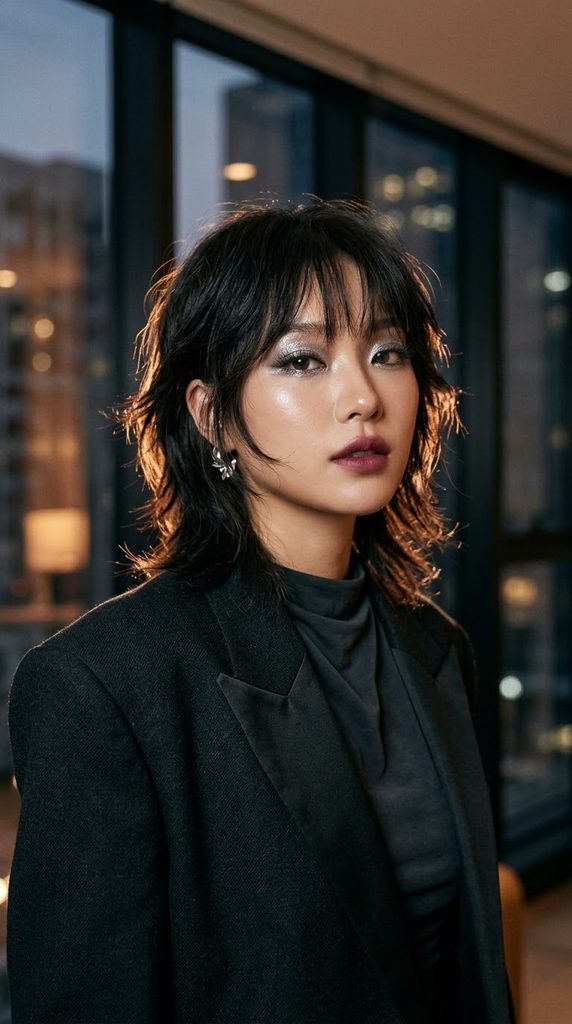
Face-framing layers are an important detail in many Korean wolf cut styles. The shorter sections can begin around the cheekbones, jawline, or chin, depending on the effect you want.
These layers draw attention to the face and help the haircut flow naturally from the front to the back. They can also add shape to long hair without making the entire haircut heavily layered.
Before cutting, show your hairstylist where you would like the shortest front pieces to fall. This helps create a result that suits your features and everyday styling habits.
How to style: Use a round brush to direct the front sections away from your face. Add a gentle curve to the ends so the layers remain visible without looking stiff.
9. Korean Wolf Cut for Straight Hair
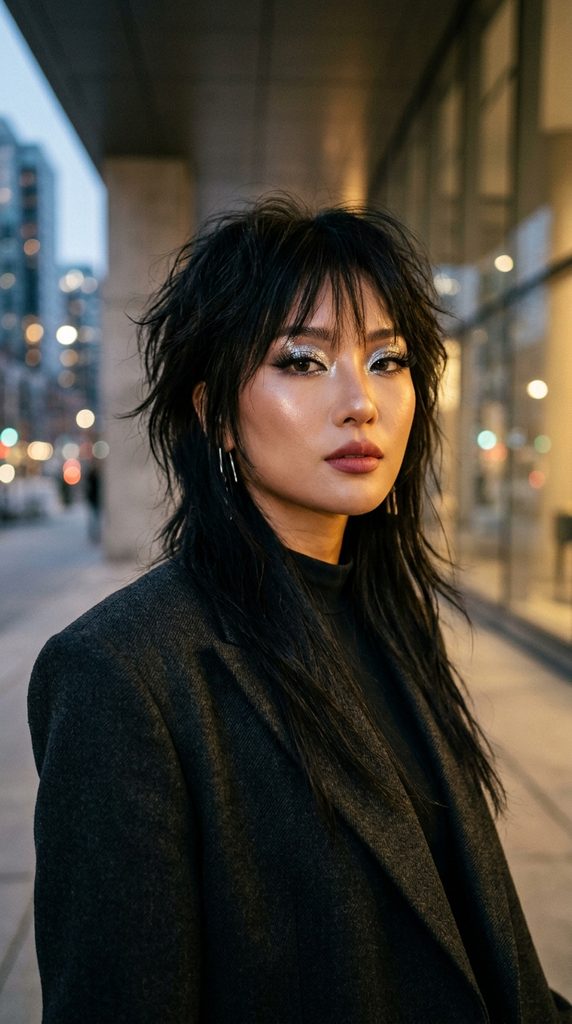
Straight hair can sometimes appear flat when every section is the same length. A Korean wolf cut adds different lengths and creates movement, giving the hair a fuller-looking shape.
For straight hair, the key is choosing the right amount of layering. Too many short layers or excessive thinning can make the ends appear sparse, particularly if your hair is naturally fine.
A softer wolf cut can add dimension while preserving the appearance of thickness. You can wear it sleek for a neat finish or add subtle bends for a more textured look.
How to style: Apply a root-lifting product before blow-drying. Use a round brush to create volume at the crown, then add a few gentle bends with a flat iron if desired.
10. Korean Wolf Cut for Wavy Hair
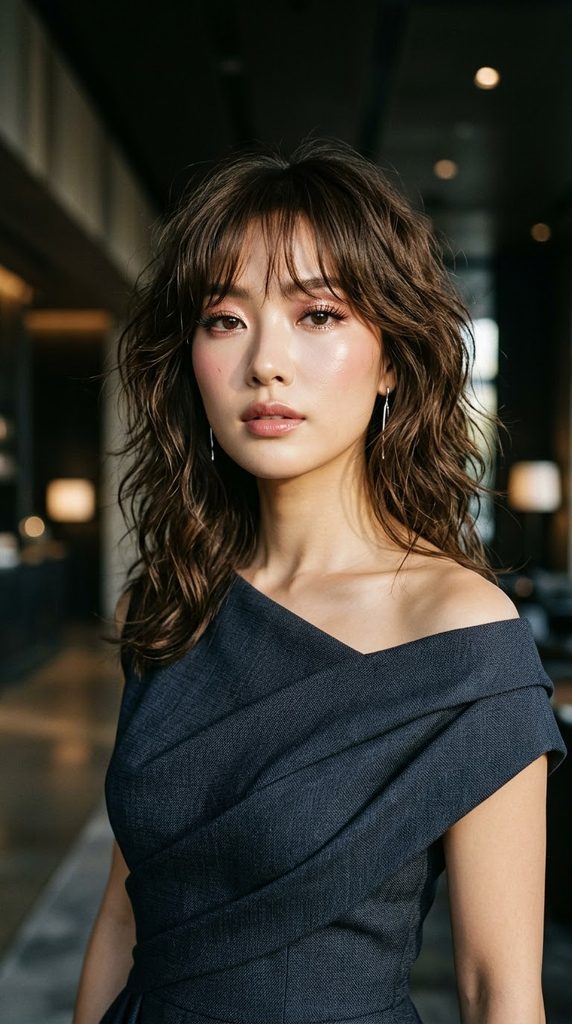
Wavy hair naturally complements the layered shape of a Korean wolf cut. The waves create separation between the shorter upper layers and longer ends, helping the haircut look textured without much effort.
This version is ideal if you want your natural waves to become a feature of your hairstyle. The layers can also reduce the heavy appearance of long, thick hair when cut appropriately.
Keep in mind that wavy hair may spring up as it dries. Ask your hairstylist to consider your natural texture before deciding how short the crown layers should be.
How to style: Apply a lightweight curl cream or mousse to damp hair. Scrunch gently and air-dry, or use a diffuser on a low setting to encourage definition.
11. Korean Wolf Cut with a Middle Part
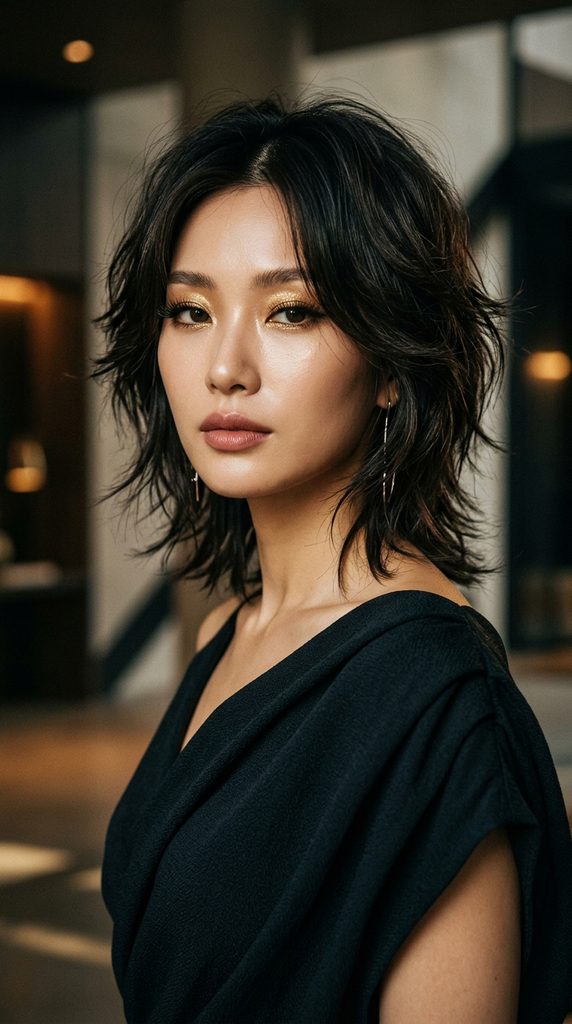
A middle part gives the Korean wolf cut a balanced, contemporary appearance. The hair falls on both sides of the face, highlighting the front layers and creating a symmetrical finish.
This look pairs particularly well with curtain bangs or longer face-framing sections. It can make the haircut appear polished while still maintaining the movement of the wolf-cut layers.
Although a middle part is a popular choice, you do not have to follow it if another parting suits your hair better. A slightly off-center part can provide similar volume with a more relaxed feel.
How to style: Create your part while the hair is damp. Blow-dry each side away from the face and add a slight bend around the cheekbones for extra shape.
12. Korean Wolf Cut with Flipped Ends
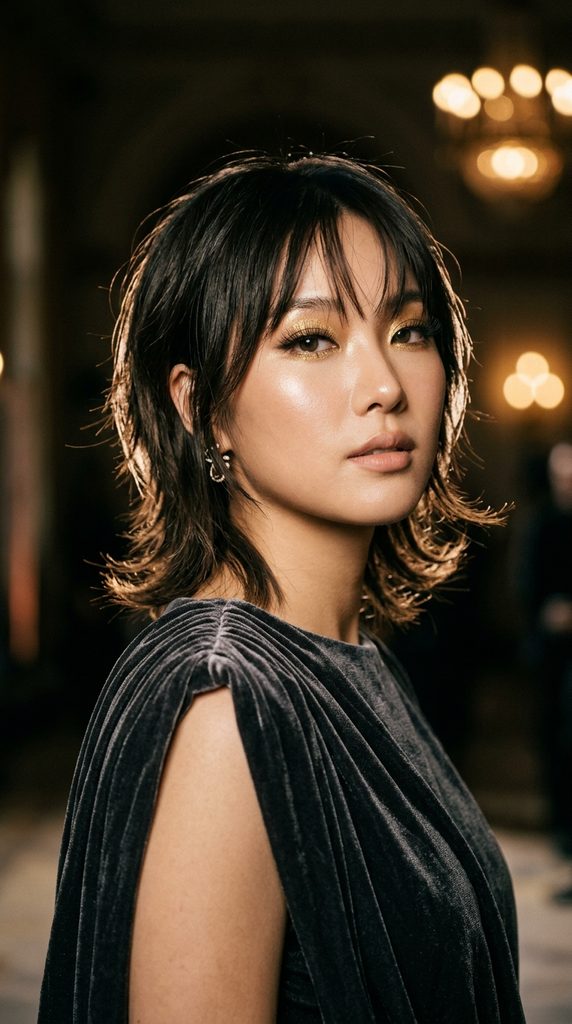
Flipped ends add a playful, retro-inspired detail to the Korean wolf cut. Instead of curling inward, the tips turn outward, making the layers more noticeable and giving the haircut extra movement.
This finish works especially well on medium-length hair, where the flipped ends create a visible shape around the shoulders. It can look casual during the day or more polished when paired with a carefully styled fringe.
The effect can be subtle or pronounced, depending on how much you turn the ends outward.
How to style: Apply heat protectant and use a round brush or flat iron to flip the ends away from your face. Finish with flexible-hold hairspray so the style retains movement.
13. Choppy Korean Wolf Cut
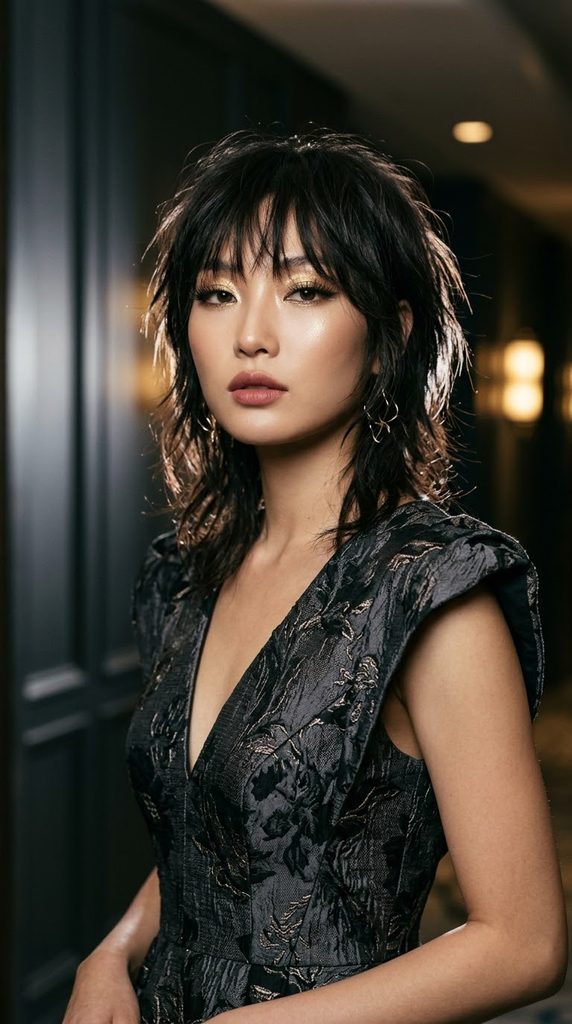
If you prefer a bold hairstyle, a choppy Korean wolf cut offers more visible texture and separation between layers. The ends are less uniform, and the crown often has a more pronounced, lifted appearance.
This version can create an edgy look while retaining the basic wolf-cut silhouette. It is especially suitable for people who enjoy alternative fashion or prefer hairstyles with a slightly messy finish.
However, choppy layers can look different depending on hair density. If you have fine hair, ask for a customized version that adds texture without removing too much fullness.
How to style: Rub a small amount of texturizing paste between your fingertips and work it through the ends. Separate a few sections to emphasize the layers.
14. Korean Wolf Cut with Subtle Highlights
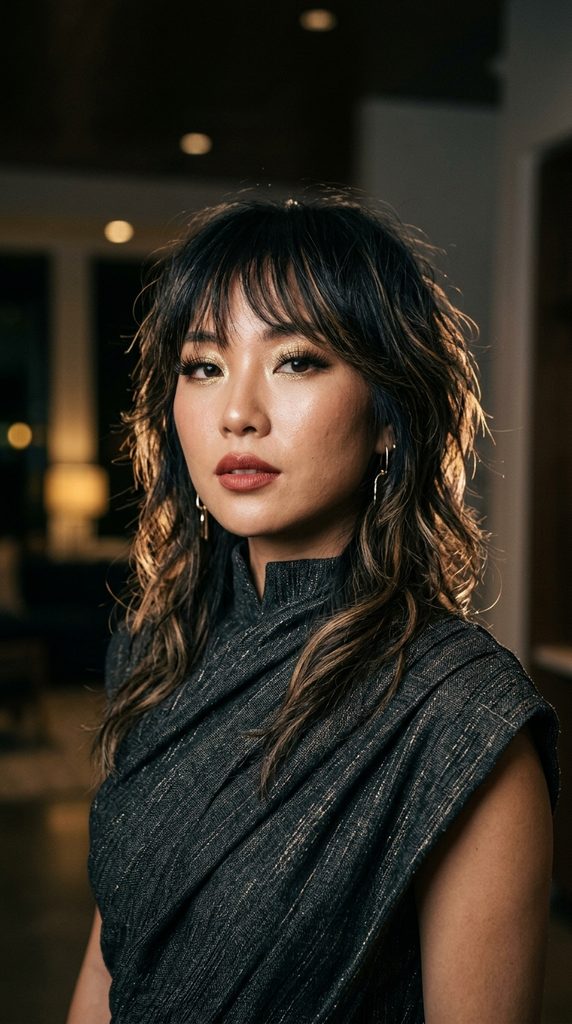
Subtle highlights can make a Korean wolf cut look more dimensional by drawing attention to the different layers. Shades such as caramel, soft brown, or ash tones can create contrast, depending on your natural hair color.
You do not need a dramatic color change to achieve this effect. A few delicate highlights around the face or through the upper layers can make the haircut appear more textured.
Choose a color that complements your natural shade and fits your maintenance preferences. If you want to avoid bleaching, ask your colorist which options are realistic for your starting hair color.
How to style: Use lightweight styling products to keep the layers airy. If your hair is colored, choose suitable hair-care products and protect it from excessive heat.
15. Korean Wolf Cut with Soft C-Curl Ends
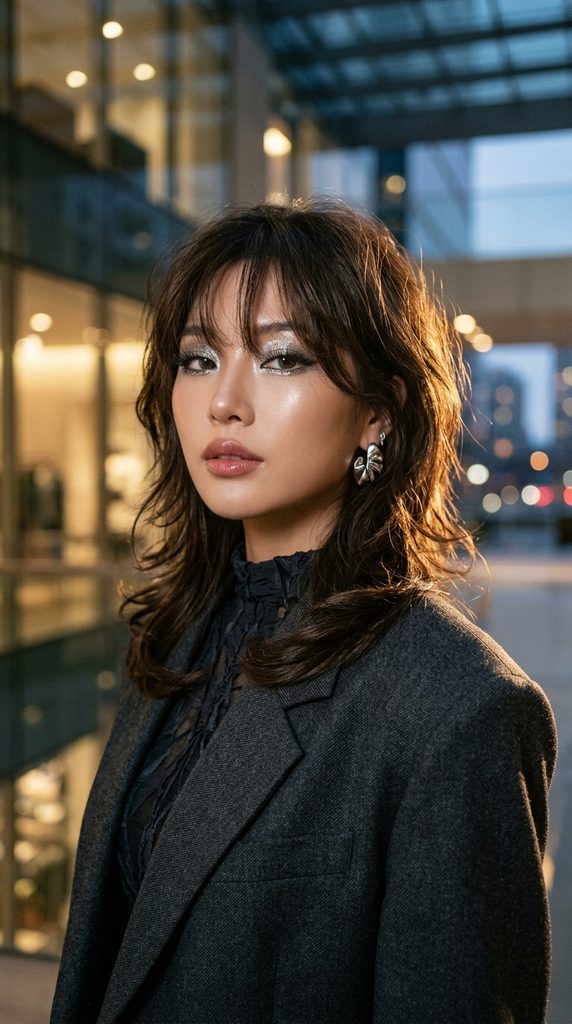
A soft C-curl finish creates a gentle inward curve at the ends of the hair. When paired with a Korean wolf cut, it gives the layers a smooth, polished appearance without removing their natural movement.
This style is ideal if you like the shape of a wolf cut but prefer a neat finish instead of a messy or heavily textured look. It can be especially attractive on medium-length hair with face-framing layers.
The curved ends also help the haircut look intentionally styled while keeping the overall appearance soft.
How to style: Blow-dry the ends around a round brush, curving them inward. Apply a small amount of smoothing serum to the tips, keeping heavier products away from the roots.
How to Choose the Best Korean Wolf Cut for Your Face Shape
The best Korean wolf cut is one that works with your hair texture, preferred length, and personal style. Face shape can help guide your choice, but it should not be the only factor.
For Round Faces
Consider longer face-framing layers and volume around the crown. These details can create a more elongated visual effect. Avoid choosing a very short front layer without discussing the overall shape with your hairstylist.
For Oval Faces
Oval faces can often accommodate a wide variety of wolf-cut styles. Curtain bangs, wispy fringe, short layers, and longer versions are all options to consider.
For Square Faces
Soft layers around the cheekbones and jawline can create a more blended appearance. Curtain bangs and feathered ends may be worth considering if you prefer a softer silhouette.
For Long Faces
Wispy bangs or curtain bangs can add visual width around the upper face. Medium-length layers and volume around the sides may also help balance the overall shape.
Remember that these are styling suggestions rather than strict rules. Your hair density, texture, and the way you like to wear your hair are just as important.
How to Maintain Your Korean Wolf Cut
A Korean wolf cut looks its best when the layers keep their shape and the ends remain healthy. You do not need a complicated routine, but a few simple habits can help.
Use Lightweight Products
Heavy creams and oils can weigh down the crown and reduce the appearance of volume. Try lightweight mousse, texturizing spray, or a small amount of styling cream instead.
Protect Your Hair from Heat
If you regularly use a blow-dryer, curling iron, or flat iron, apply heat protectant first. Use a moderate temperature and avoid repeatedly applying heat to the same section.
Refresh Your Bangs
Bangs and face-framing pieces can lose their shape after sleeping or tying your hair back. A quick blow-dry with a round brush can help restore their curve and volume.
Get Trims When Needed
As your hair grows, the layers may become less defined. Consider a trim when the crown feels heavy, the bangs no longer sit properly, or the ends lose their intended shape. The timing depends on your hair growth and the specific cut.
Work with Your Natural Texture
You do not need to straighten or curl your hair every day. Letting your natural waves or texture show can create a relaxed finish while reducing heat styling.
Choose a Cut That Fits Your Routine
A dramatic wolf cut with short layers and bangs may require more daily styling than a softly blended version. Be honest with your hairstylist about how much time you want to spend on your hair before choosing a look.
Final Thoughts
The Korean wolf cut is a versatile hairstyle that combines volume, texture, and face-framing layers. From short and choppy versions to long, softly blended styles, there are plenty of ways to make this trend your own.
If you are new to the look, a soft Korean wolf cut with curtain bangs or subtle face-framing layers can be a comfortable starting point. If you prefer a bolder appearance, try more pronounced layers or textured ends.
Before your salon appointment, save a few reference photos and discuss your preferred length, hair texture, and styling routine with your hairstylist. The right variation can give your hair a fresh shape while keeping it manageable for everyday life.
Frequently Asked Questions
What is a Korean wolf cut?
A Korean wolf cut is a layered hairstyle featuring volume around the crown, face-framing sections, and textured ends. Korean-inspired versions often emphasize soft blending and airy movement.
Is a Korean wolf cut suitable for thin hair?
Yes, with the right layering. A softer cut that preserves fullness can work well for fine hair, while excessive thinning or too many short layers may make the ends look sparse.
Does a Korean wolf cut work on thick hair?
Yes. Layers can help thick hair feel lighter and create more movement. Your hairstylist should adjust the amount of layering to suit your hair’s density and natural texture.
Can I get a Korean wolf cut without bangs?
Absolutely. You can wear a middle part, side part, or longer face-framing layers without adding bangs.
Is the Korean wolf cut easy to maintain?
A soft version can be relatively easy to manage, especially if your natural texture works with the layers. Short bangs and more dramatic styles may need extra daily styling.
What is the difference between a Korean wolf cut and a shag haircut?
Both hairstyles use layers and texture. A wolf cut often has a more pronounced contrast between the voluminous crown and longer back sections, while a shag can have a more evenly distributed layered shape. The exact appearance depends on the cut.
Can I get a Korean wolf cut on long hair?
Yes. A long Korean wolf cut keeps the overall length while adding shorter layers around the crown and face for movement and volume.
How do I ask my hairstylist for a Korean wolf cut?
Bring reference photos and explain how much length you want to keep. Discuss whether you prefer soft or choppy layers, whether you want bangs, and how much styling you are comfortable doing at home.

- Short Layered Haircuts for Women - October 14, 2026
- Korean Wolf Cut - October 14, 2026
- 60 Lovely Long Shag Haircuts for Effortless Stylish Looks In 2025 - November 11, 2024


