

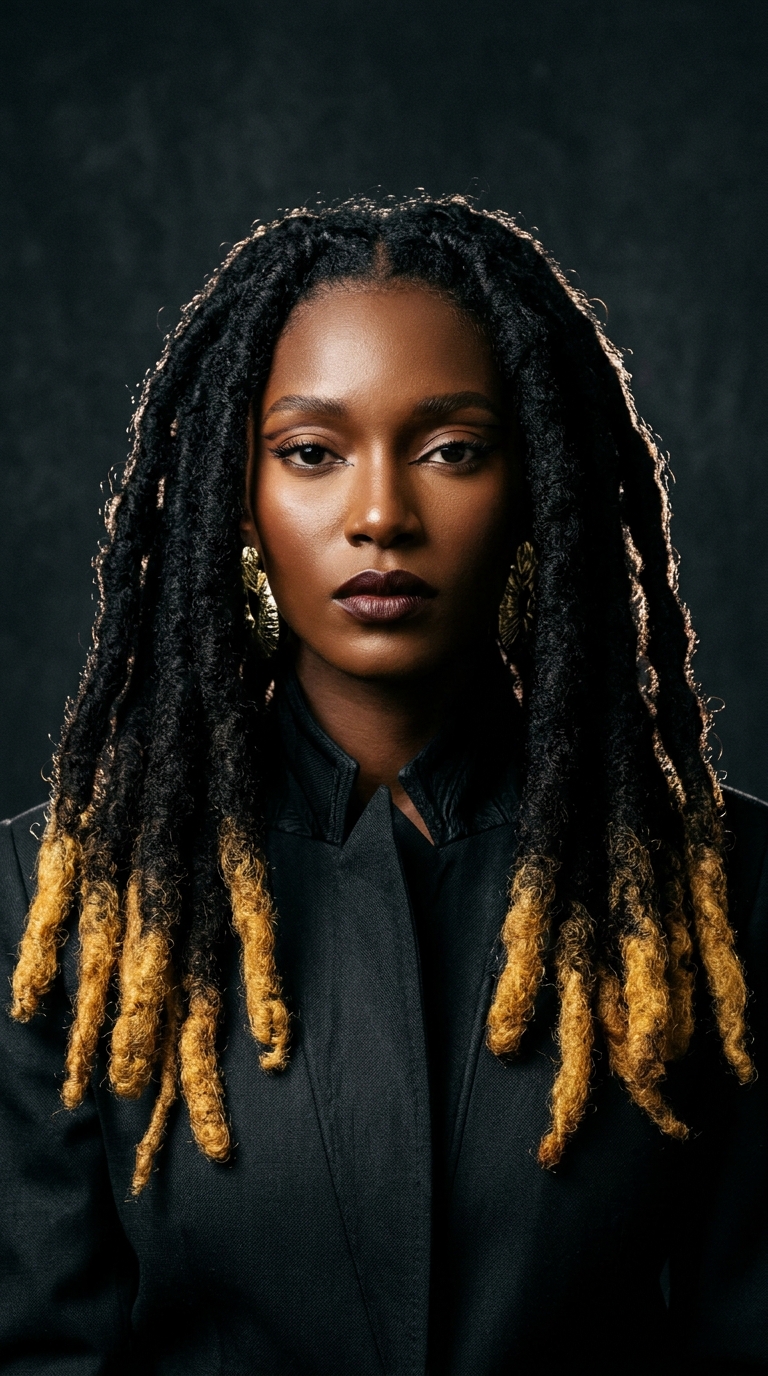
Wicks hairstyles have become a recognizable look in modern natural hair culture, thanks to their thick, rope-like locs and distinctive appearance. Unlike traditional dreadlocks, which often consist of many smaller sections, wicks are formed by combining hair into a smaller number of much thicker locs. The result is a bold hairstyle that stands out for its size, texture, and individuality.
The style originated in South Florida, particularly within Haitian, Afro-Caribbean, and African American communities, and became widely associated with Florida’s hip-hop culture. Wicks are sometimes also called wick locs, wick dreads, bonks, or globs. Their name comes from their resemblance to thick candle wicks. Source
One reason people choose wicks is their versatility. They can be worn short, grown long, paired with a fade, styled into a ponytail, or personalized with color and accessories. Although the hairstyle is often associated with men, wicks can be worn by anyone who likes the look and has hair suitable for the technique.
However, wicks are a long-term commitment. Creating them takes time, and their thick structure requires careful washing, drying, and maintenance. Understanding the different styles can help you choose a look that matches your personality, hair texture, and preferred level of upkeep.
In this guide, we will explore 15 stylish wicks hairstyles, explain what makes each one unique, and share practical tips for maintaining healthy, well-formed locs.
1. Classic Thick Wicks Hairstyle
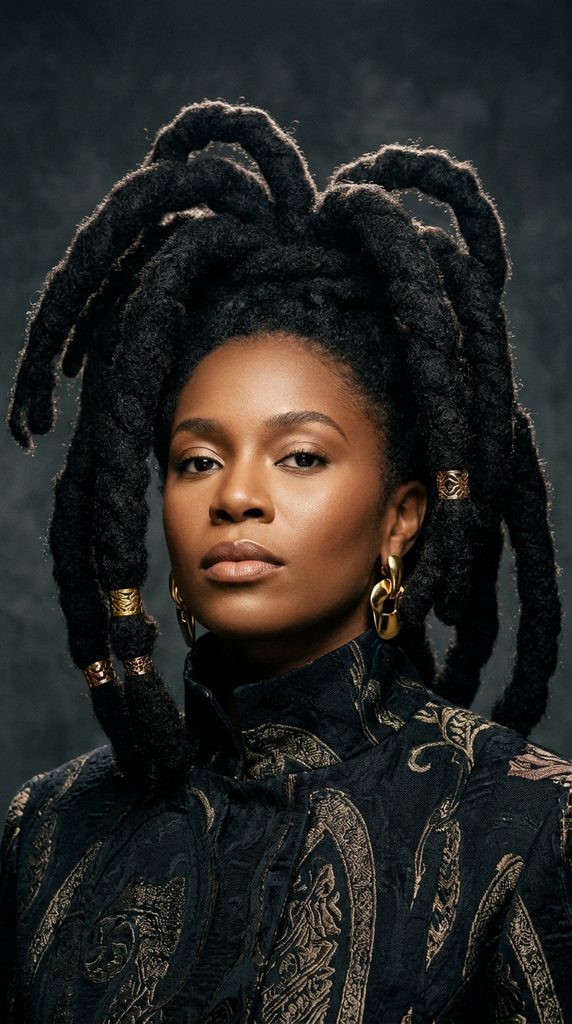
The classic wicks hairstyle features a small number of thick, cylindrical locs distributed across the head. Rather than creating dozens of individual locs, the stylist combines sections of hair into larger strands that develop the signature chunky appearance.
This is the look many people picture when they hear the term wicks. The locs may stand upright when short or hang naturally as they grow longer. Their thickness creates a strong silhouette without requiring intricate daily styling.
The final appearance depends on hair density, section size, and the method used to form the locs. Some people prefer a relatively uniform arrangement, while others like a more organic finish.
Styling tips:
- Consult a loctician who has experience creating thick wick locs.
- Discuss the desired number and size of your wicks before installation.
- Keep the scalp clean and avoid excessive product buildup.
- Protect the locs at night with a satin or silk covering.
Classic wicks are a good starting point if you want the traditional chunky appearance without additional color or complicated styling.
2. Short Wicks Hairstyle
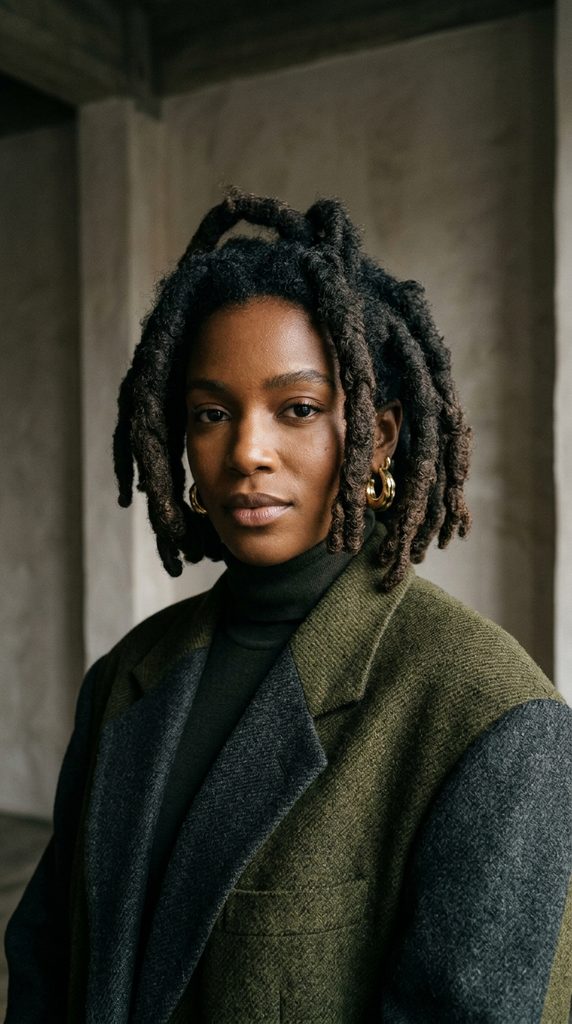
Short wicks offer the distinctive thickness of the style in a compact, easy-to-manage length. The locs sit close to the scalp or extend a few inches outward, creating a bold appearance without the weight associated with long locs.
This version can look neat and structured or slightly irregular, depending on how the wicks are formed. Short wicks also work well with a clean hairline, taper, or fade.
Because they have less length, short wicks may be easier to manage during everyday activities. However, the hair still needs proper cleansing, complete drying, and professional attention when necessary.
Styling tips:
- Choose a length that complements your preferred silhouette.
- Consider a low taper around the sides and back.
- Avoid forcing starter locs into a shape before they have matured.
- Keep the scalp moisturized without applying excessive oil.
Short wicks are ideal for people who want a bold loc hairstyle without waiting for long hair to develop.
3. Long Wicks Hairstyle
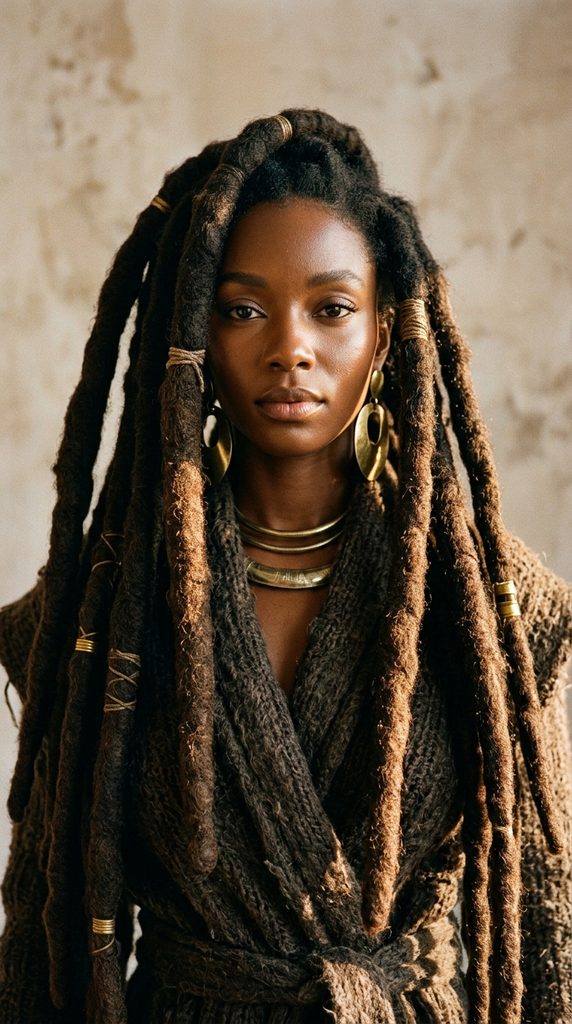
Long wicks create a dramatic look because their thick strands become more noticeable as they grow. The locs can hang freely, rest over the shoulders, or be gathered into different hairstyles once they are long enough.
This style emphasizes length, texture, and the natural development of the locs. Some people prefer a uniform arrangement, while others embrace a more freeform appearance.
Long wicks can become heavy, particularly when several thick locs grow to substantial lengths. For this reason, scalp comfort and healthy roots are especially important.
Styling tips:
- Protect the locs at night with a suitable satin or silk covering.
- Avoid repeatedly pulling the hair into tight hairstyles.
- Make sure every wick dries completely after washing.
- Ask a loctician to assess thinning roots or areas that feel unusually heavy.
Long wicks are a striking option for anyone willing to invest the time needed to grow and maintain them.
4. Wicks With a Low Taper
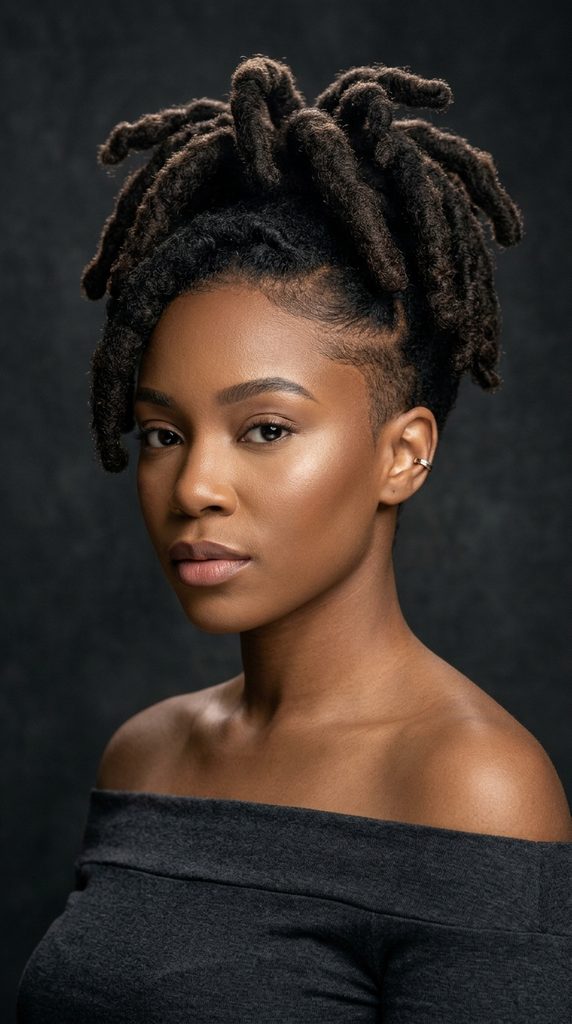
A low taper pairs thick wicks on top with gradually shortened hair around the temples, sideburns, and neckline. Unlike a high fade, the shorter area remains relatively low, preserving more hair around the sides.
This combination creates a clean outline without taking attention away from the locs. It can make the hairstyle appear more structured while maintaining the bold texture that defines wicks.
A low taper works particularly well with short and medium-length wicks, but it can also complement longer locs.
Styling tips:
- Ask your barber for a low taper that follows your natural hairline.
- Keep the wick sections separate from the areas being trimmed.
- Schedule barber visits according to how quickly the tapered sections grow.
- Avoid cutting into the locs while cleaning up the edges.
If you want wicks that look polished without an extremely dramatic contrast, a low taper is a versatile choice.
5. Wicks With a High Fade
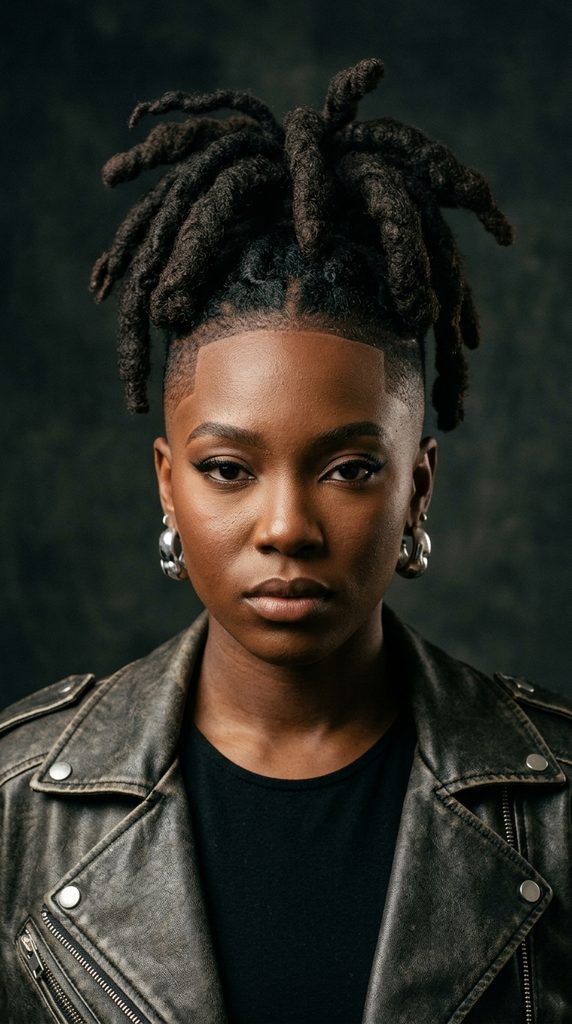
A high fade creates a stronger contrast between the thick locs on top and the closely cropped sides. The fade begins higher on the head, allowing the wicks to become the main focus of the hairstyle.
This look feels modern, sharp, and expressive. It is especially noticeable when the wicks have substantial height or volume.
The exact result depends on the placement of the fade and the number of wicks. A high fade can make the top look more prominent, so it is worth discussing the overall proportions with your barber.
Styling tips:
- Choose a fade height that works with the shape of your head.
- Keep the top sections healthy and well maintained.
- Avoid overly tight hairstyles that pull on the roots.
- Refresh the fade when needed to maintain the contrast.
Wicks with a high fade are a strong option if you prefer a bold, contemporary look with clean sides.
6. Four-Wick Hairstyle
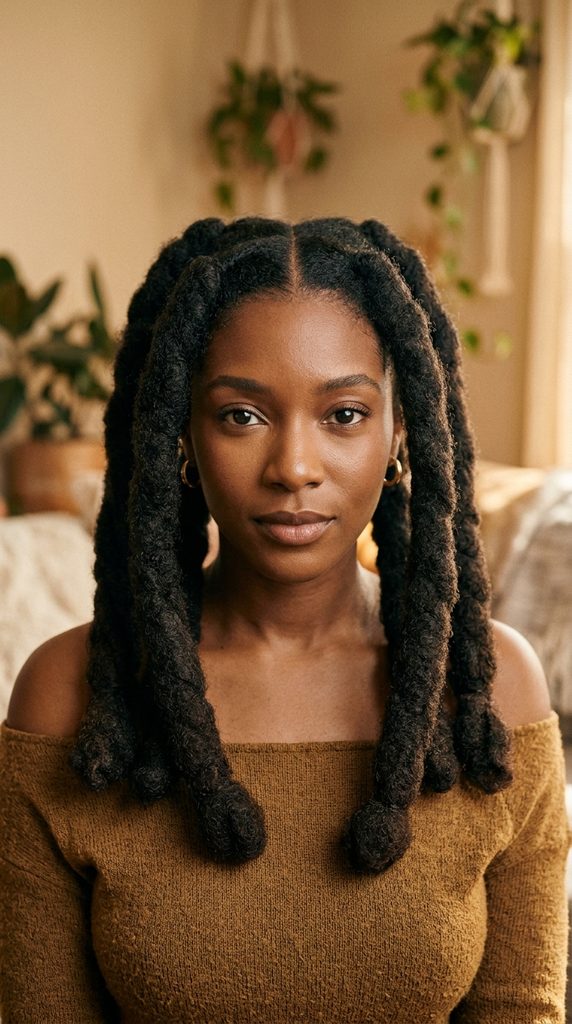
A four-wick setup uses four particularly thick locs, creating an unmistakable, minimal arrangement. The style focuses on size rather than the number of individual strands.
Because each wick contains a substantial amount of hair, sectioning and weight distribution are important. The look may suit some hair densities better than others, so the number of wicks should not be chosen based on appearance alone.
Four wicks can be worn short for a compact silhouette or allowed to grow longer for a more dramatic effect.
Styling tips:
- Discuss your hair density with a specialist before choosing four large sections.
- Make sure the sections are distributed comfortably.
- Monitor the roots for signs of excessive tension.
- Avoid adding too much weight through accessories.
This style is best for people who specifically want a very low-count, chunky loc appearance.
7. Six-to-Eight Wicks Hairstyle
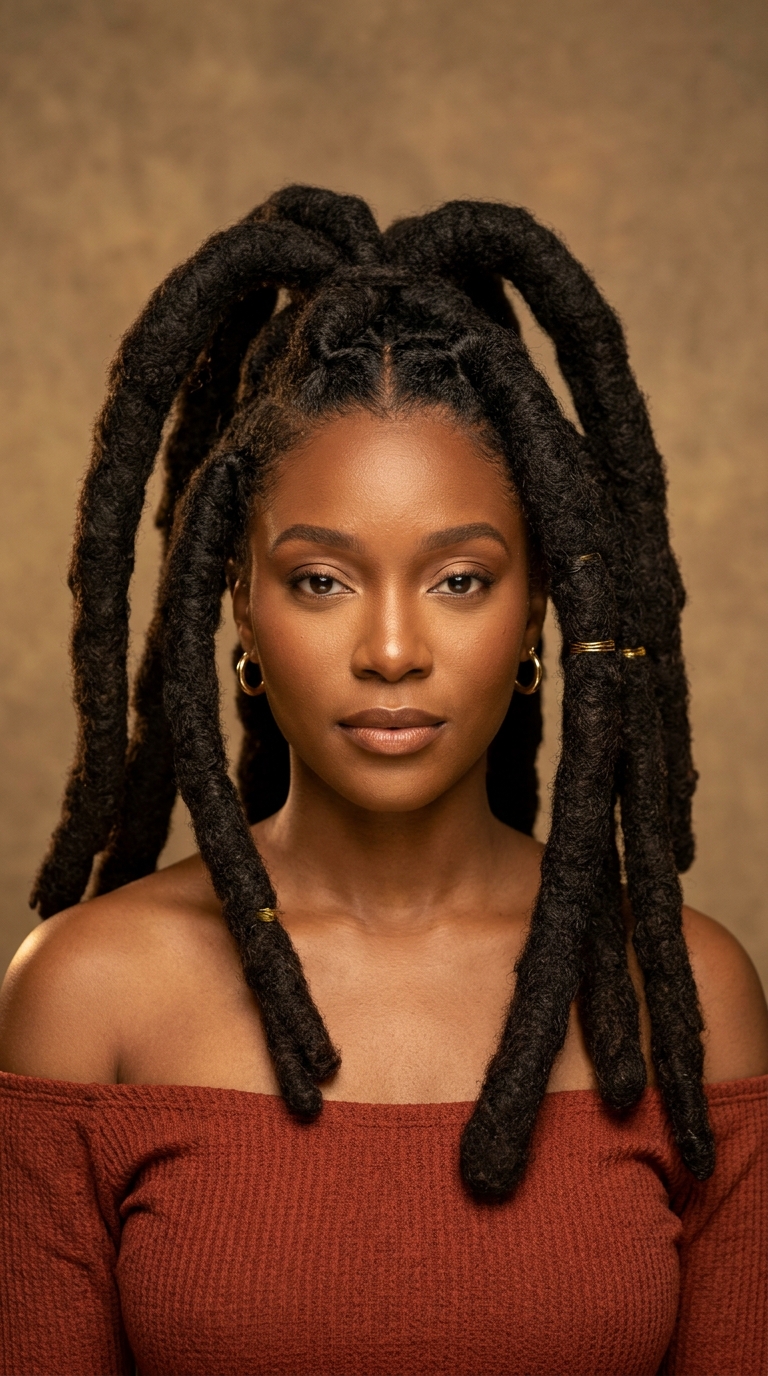
Six to eight wicks offer a balance between the oversized appearance of a four-wick setup and the more detailed look of a higher-count arrangement.
With additional sections, the hair can be distributed more evenly across the scalp while preserving the thick, recognizable character of wicks. The overall shape may appear fuller or more balanced, depending on the hair’s natural density.
This setup is worth discussing with a loctician if you like thick locs but do not want each section to become excessively large.
Styling tips:
- Ask for a sectioning pattern that distributes weight evenly.
- Consider a taper or fade if you prefer a defined outline.
- Maintain clean parts where appropriate for your chosen method.
- Allow the locs time to mature rather than expecting an instantly finished appearance.
Six to eight wicks can provide a distinctive look while offering more flexibility in section size.
8. Starter Wicks Hairstyle
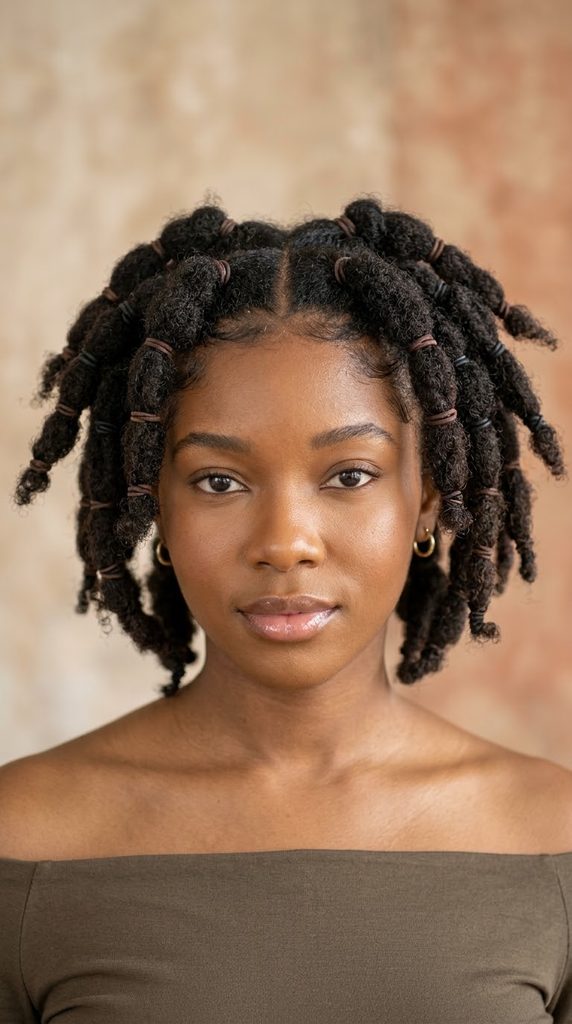
Starter wicks are the early stage of the wick loc journey. At this point, the sections are still developing, and they may look shorter, softer, or less uniform than mature wicks.
Depending on the method used, starter wicks can be formed by combining existing locs, using a crochet technique, or allowing suitable sections of natural hair to lock over time.
Patience is essential because the final thickness, firmness, and appearance develop gradually. The early stage should be treated as part of the process rather than as a finished hairstyle.
Styling tips:
- Work with an experienced loctician to choose an appropriate starting method.
- Follow professional instructions for washing and maintenance.
- Avoid excessive manipulation while the sections are developing.
- Use a satin or silk covering at night to reduce friction.
Starter wicks are ideal for people beginning a long-term loc journey who are comfortable with the changing appearance of their hair as it matures.
9. Freeform Wicks
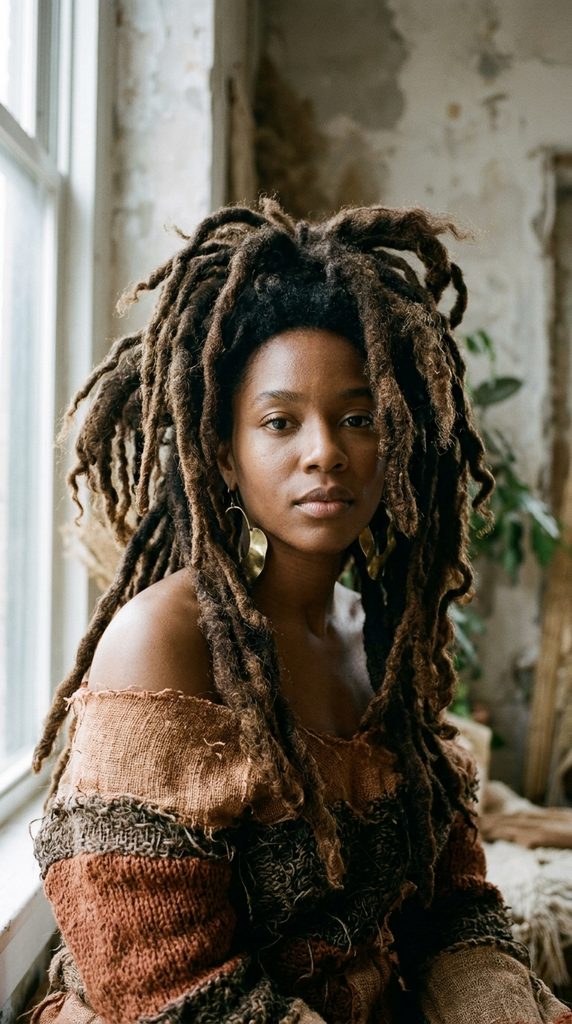
Freeform wicks develop with minimal manipulation, allowing sections of hair to lock and combine more naturally over time. The result is often less uniform than wicks formed with a crochet tool or another structured method.
This style celebrates natural texture and organic development. Individual wicks may vary in size, direction, and shape, giving the hairstyle a distinctive appearance.
Freeform does not mean ignoring hair care. The scalp still needs cleansing, and thick sections must dry completely after washing. Depending on the person’s goals, occasional separation or professional guidance may also be helpful.
Styling tips:
- Discuss freeform expectations with a loctician before starting.
- Keep the scalp clean and monitor how sections develop.
- Avoid forcing the locs into a uniform shape if you want a natural finish.
- Make sure the locs do not remain damp internally.
Freeform wicks are a good option for those who appreciate individuality and prefer a less structured appearance.
10. Wicks in a Ponytail
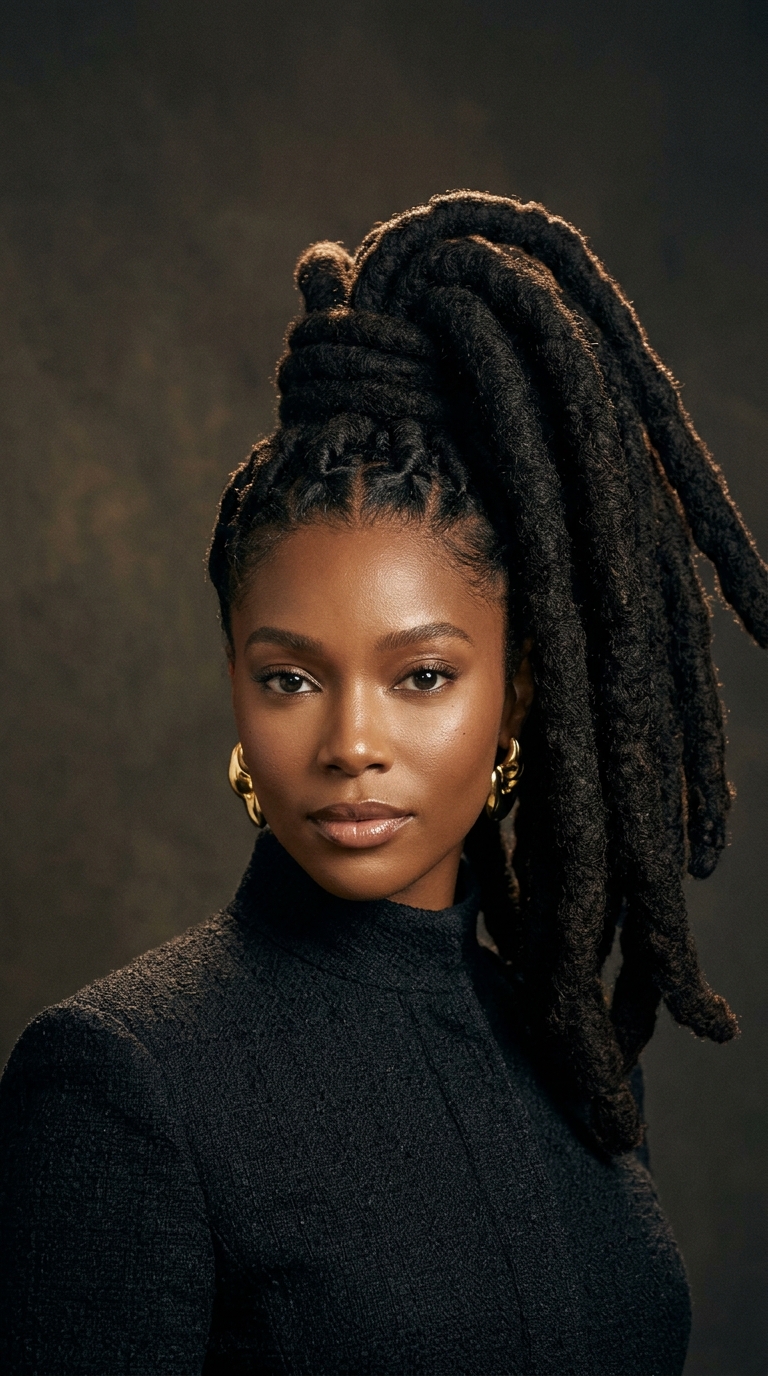
Once the locs are long enough, gathering wicks into a ponytail creates a practical and stylish way to wear them. The thick strands come together to form a substantial shape while keeping the hair away from the face.
A high ponytail creates a more dramatic appearance, while a lower ponytail feels relaxed and understated. This style is useful for everyday activities, although the weight of the locs should be considered.
Tight ponytails can place unnecessary stress on the roots, particularly when the wicks are long or heavy.
Styling tips:
- Use a soft, loc-friendly hair tie.
- Keep the ponytail comfortably loose.
- Change the position regularly instead of pulling the hair in the same direction every day.
- Avoid tying the locs while they are still wet.
A ponytail is a simple way to change the look of mature wicks without altering the locs themselves.
11. Half-Up, Half-Down Wicks
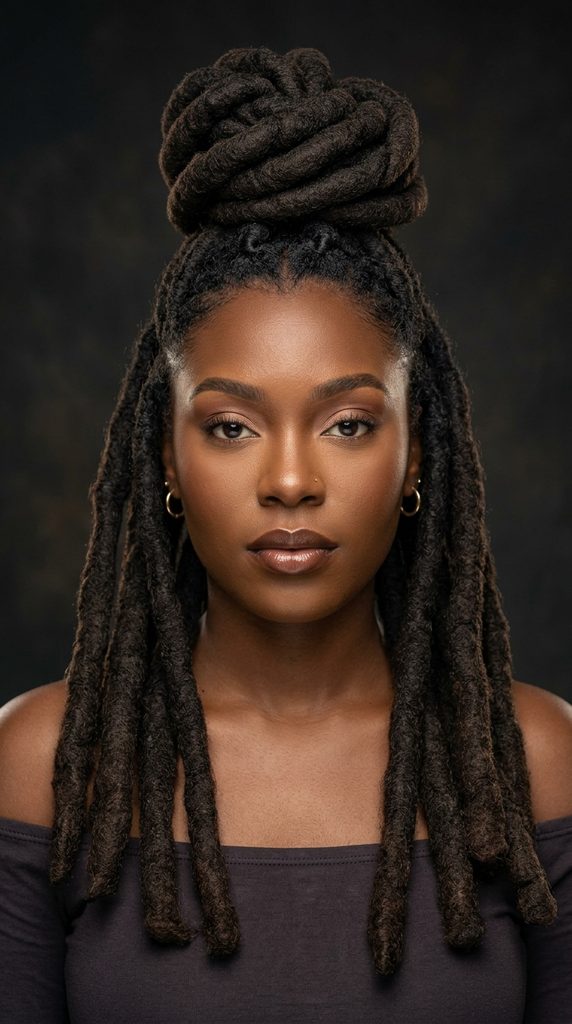
The half-up, half-down hairstyle combines two looks: some wicks are gathered at the top, while the remaining locs hang freely.
This arrangement highlights the thickness and texture of the locs while adding a little variety to the overall silhouette. It can work with medium or long wicks, depending on their length and flexibility.
The style can be worn casually or adapted for events. It also allows some locs to remain loose rather than placing all the hair into one ponytail or bun.
Styling tips:
- Gather only the number of locs needed to create the desired shape.
- Avoid tight ties that pull on the scalp.
- Use a soft accessory that will not snag the hair.
- Keep the remaining locs separated comfortably.
Half-up, half-down wicks are a versatile option for anyone who wants to experiment with styling while preserving the natural appearance of their locs.
12. Wicks in a Bun
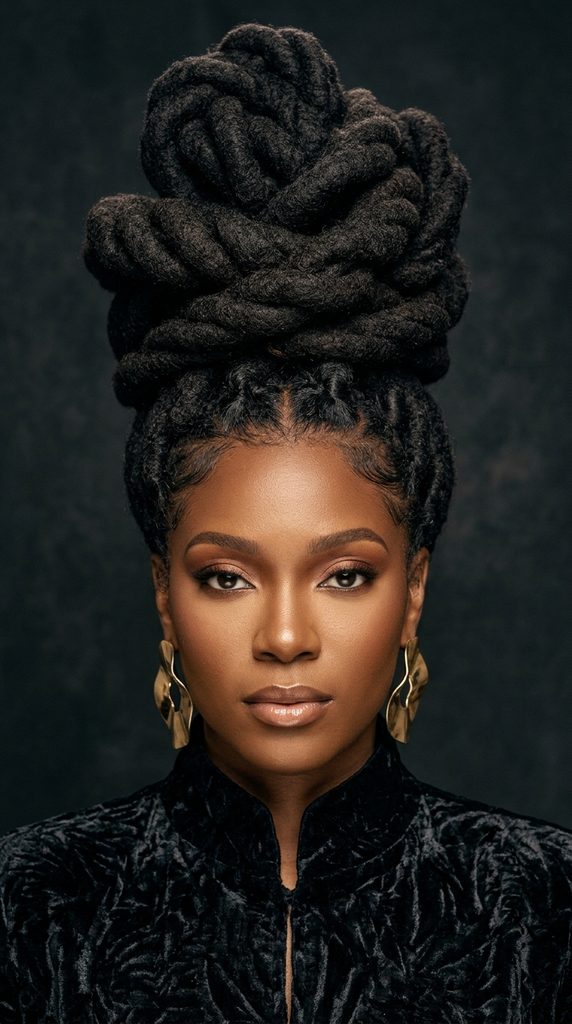
A bun is a practical option for longer wicks when you want the hair gathered away from the face and neck. The thick locs create a substantial shape that can look neat and intentional.
Depending on the length of the hair, the bun can be positioned high, around the middle of the head, or lower toward the nape. A loose bun is generally preferable to a tightly pulled style because heavy locs can place tension on the roots.
The bun should feel comfortable rather than tight or painful.
Styling tips:
- Use a soft, strong tie designed to hold thick hair.
- Avoid repeatedly wrapping the locs too tightly.
- Alternate between updos and loose styles.
- Remove the bun if you experience discomfort or pulling.
A wick bun combines convenience with a distinctive silhouette, making it a useful choice for mature locs.
13. Colored or Blonde-Tipped Wicks
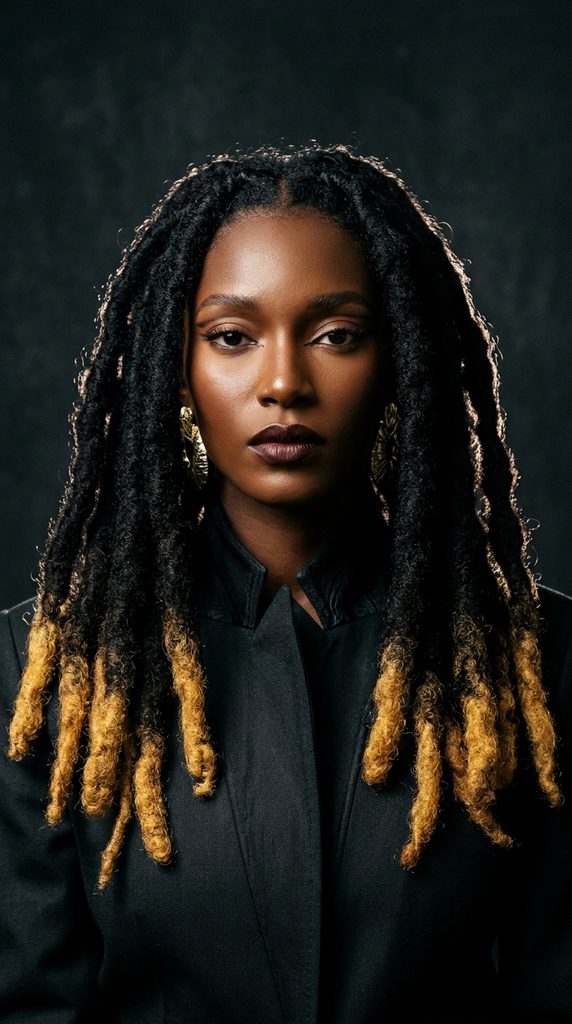
Color can transform the appearance of thick wicks by emphasizing their shape and texture. Blonde tips are one option, while caramel, copper, burgundy, or other shades can create a more personalized look.
Coloring only the ends may provide contrast without changing the entire head of hair. A more extensive color service creates a stronger effect but can also require additional maintenance.
Because lightening and dyeing can affect hair strength and dryness, color should be approached carefully, especially when the locs are already mature.
Styling tips:
- Consult a colorist experienced with locs and textured hair.
- Consider a small test section before a major color change.
- Follow appropriate aftercare instructions.
- Avoid repeated chemical processing of already fragile sections.
Blonde-tipped wicks are a bold option for anyone who wants extra dimension while keeping their natural base color.
14. Wicks With Beads or Loc Cuffs
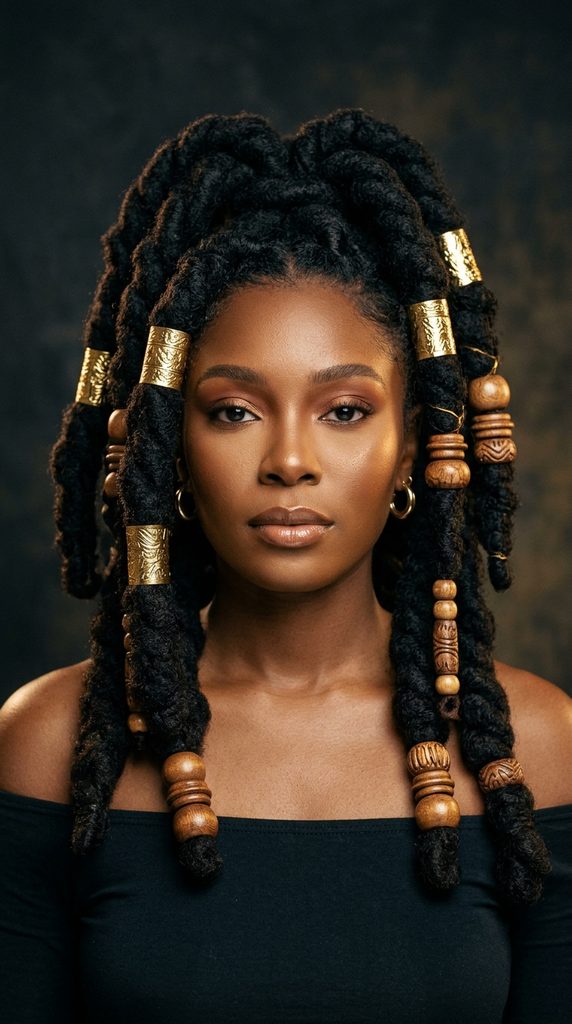
Accessories offer an easy way to personalize mature wicks without changing the haircut. Loc cuffs, selected beads, and other suitable adornments can introduce metallic detail, color, or a decorative finish.
The thick structure of wicks makes accessories especially noticeable. A few carefully placed pieces may be enough to create a distinctive look without overwhelming the hairstyle.
However, accessories should fit comfortably. Heavy items can increase strain on individual locs, and poorly fitted pieces may snag or damage the hair.
Styling tips:
- Choose accessories designed for the thickness of your wicks.
- Keep decorative pieces lightweight.
- Avoid placing heavy items near fragile roots.
- Remove accessories if they cause discomfort or snagging.
Beads and cuffs are a simple way to make your wicks feel more personal while preserving their natural texture.
15. Mixed-Size Wicks Hairstyle
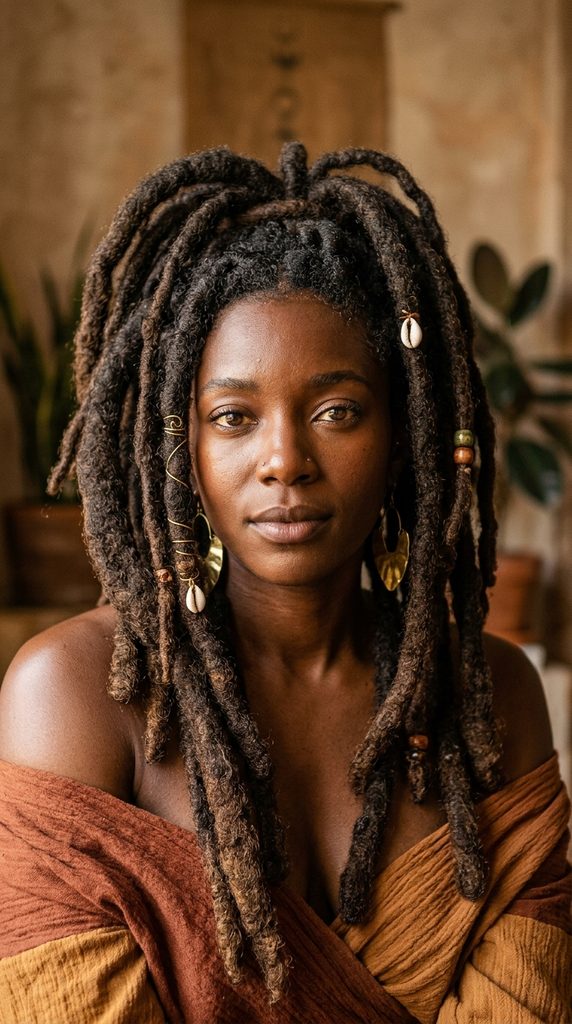
Mixed-size wicks feature locs of different thicknesses rather than maintaining a uniform size throughout the head. Some sections may be larger and more prominent, while others remain smaller to create visual variation.
This approach can produce an organic, artistic look. The arrangement should still be planned carefully, however, because uneven section sizes can affect how the hair’s weight is distributed.
A skilled loctician can help determine whether mixed sizes are appropriate for your density and preferred shape.
Styling tips:
- Discuss the desired pattern and overall silhouette before starting.
- Make sure the section sizes are suitable for your hair.
- Monitor the roots for thinning or excessive tension.
- Keep the locs clean and dry regardless of their size.
Mixed-size wicks are a good option for people who want something less uniform and more individualized than a classic setup.
How to Choose the Right Wicks Hairstyle
Before committing to wicks, consider your hair’s natural characteristics, the look you want, and how much maintenance you are prepared to do.
Consider Your Hair Texture and Density
Wicks are commonly associated with tightly coiled, Afro-textured hair, which can provide a suitable foundation for locking. The best method depends on your hair’s characteristics and condition, so a consultation with an experienced loctician is important.
Hair density also matters. Very large sections need enough hair to form a stable structure, and not every person will be suited to the same wick count or thickness.
Decide Between a Structured and Natural Look
If you prefer defined, cylindrical sections, a professional crochet method or another structured technique may be appropriate. If you like a more organic appearance, freeform methods may be worth exploring.
Neither approach is automatically better. The right choice depends on your desired result and willingness to maintain the hairstyle.
Think About Length and Weight
Short wicks generally have less weight and are easier to manage physically. Long wicks create a dramatic look but can place more stress on the roots, especially when gathered tightly.
Think about how you want to wear your hair during daily activities before deciding to grow very long locs.
Choose a Specialist
Wicks require techniques that differ from those used for many conventional haircuts. Look for a loctician with experience forming and maintaining thick locs.
Ask to see examples of their work, discuss the expected process, and explain your preferred size and overall shape. Avoid rushing into a permanent hairstyle without understanding the commitment.
How to Maintain Healthy Wicks
Wicks may involve less daily manipulation than many small locs, but they still require regular care.
1. Wash the Scalp and Locs Properly
Use a suitable shampoo that cleanses without leaving excessive residue. Work the shampoo through the locs as appropriate, rinse thoroughly, and follow a washing schedule recommended by your loctician based on your scalp and lifestyle.
2. Dry Them Completely
Thick locs can retain moisture deep inside. After washing, gently squeeze out excess water and allow sufficient time for the entire wick to dry. A suitable low-heat dryer or hooded dryer may help.
Do not cover or tie up damp locs for long periods. Persistent moisture can contribute to unpleasant odors and other problems.
3. Avoid Heavy Product Buildup
Large locs can trap product residue. Use lightweight products sparingly, and avoid layering heavy waxes, gels, and oils without a clear need.
A clean scalp and thorough rinsing are more useful than applying large quantities of styling products.
4. Protect the Hair While Sleeping
A satin or silk bonnet, scarf, or pillowcase can reduce friction while you sleep. Choose an option that fits comfortably without compressing the roots.
5. Watch for Tension and Thinning
If the roots become painful, unusually tender, or visibly thinner, loosen tight hairstyles and seek advice from a qualified hair professional or dermatologist when appropriate. Heavy locs and repeated tension can contribute to breakage and traction-related hair loss.
6. Maintain the Shape Carefully
Some wick methods need periodic professional maintenance, while freeform styles may require less manipulation. Follow a routine appropriate to the method used rather than tightening the roots too frequently.
Frequently Asked Questions
1. What is a wicks hairstyle?
A wicks hairstyle consists of a relatively small number of thick locs formed by combining hair sections or allowing them to lock together. It is known for its chunky texture and bold appearance.
2. Where did wicks hairstyles originate?
Wicks originated in South Florida and are associated with Haitian, Afro-Caribbean, and African American hair culture. The style later became more widely recognized through Florida’s hip-hop scene.
3. Are wicks the same as traditional dreadlocks?
No. Both are forms of locs, but wicks are generally much thicker and fewer in number. Traditional locs can range from very small to large, while the defining feature of wicks is their substantial thickness.
4. How long does it take to form wicks?
The timeline varies according to the starting method, hair texture, section size, and maintenance routine. Starter wicks can be created in a professional session, but developing a mature, settled appearance takes time.
5. Can wicks be styled in different ways?
Yes. Depending on their length, wicks can be worn loose, gathered into a ponytail or bun, styled half-up, or paired with a fade. Color and suitable accessories can also personalize the look.
6. Are wicks hairstyles permanent?
Mature wicks are a long-term commitment. Some locs may be combed out with considerable time and effort, but this is difficult and may cause breakage. Cutting them off is often the simplest removal method.
7. How often should wicks be washed?
The ideal schedule depends on scalp needs, activity level, and how mature the locs are. A loctician can recommend a suitable routine. The most important rule is to rinse thoroughly and dry every wick completely.
8. Can wicks damage the hair?
Wicks do not automatically damage hair, but excessive tension, overly heavy locs, frequent tight updos, and poor drying practices can create problems. Professional installation and consistent care help reduce these risks.
Final Thoughts
Wicks hairstyles are a distinctive way to wear locs, combining thick sections, natural texture, and a bold silhouette. From short wicks and tapered cuts to long locs, ponytails, buns, and colored tips, there are several ways to personalize the look.
The best style depends on your hair’s density, the size and number of locs you want, and how much maintenance you can manage. Before getting started, consult a specialist who understands wick formation and can explain the process, upkeep, and long-term commitment.
With careful sectioning, gentle styling, regular cleansing, and thorough drying, wicks can remain a striking part of your personal style for years.

- 15 Beehive Hairstyles That Bring Vintage Glamour Back - October 30, 2026
- 15 Wicks Hairstyles That Look Bold, Fresh, and Stylish - October 30, 2026
- 15 Winter Hairstyles - October 30, 2026


