
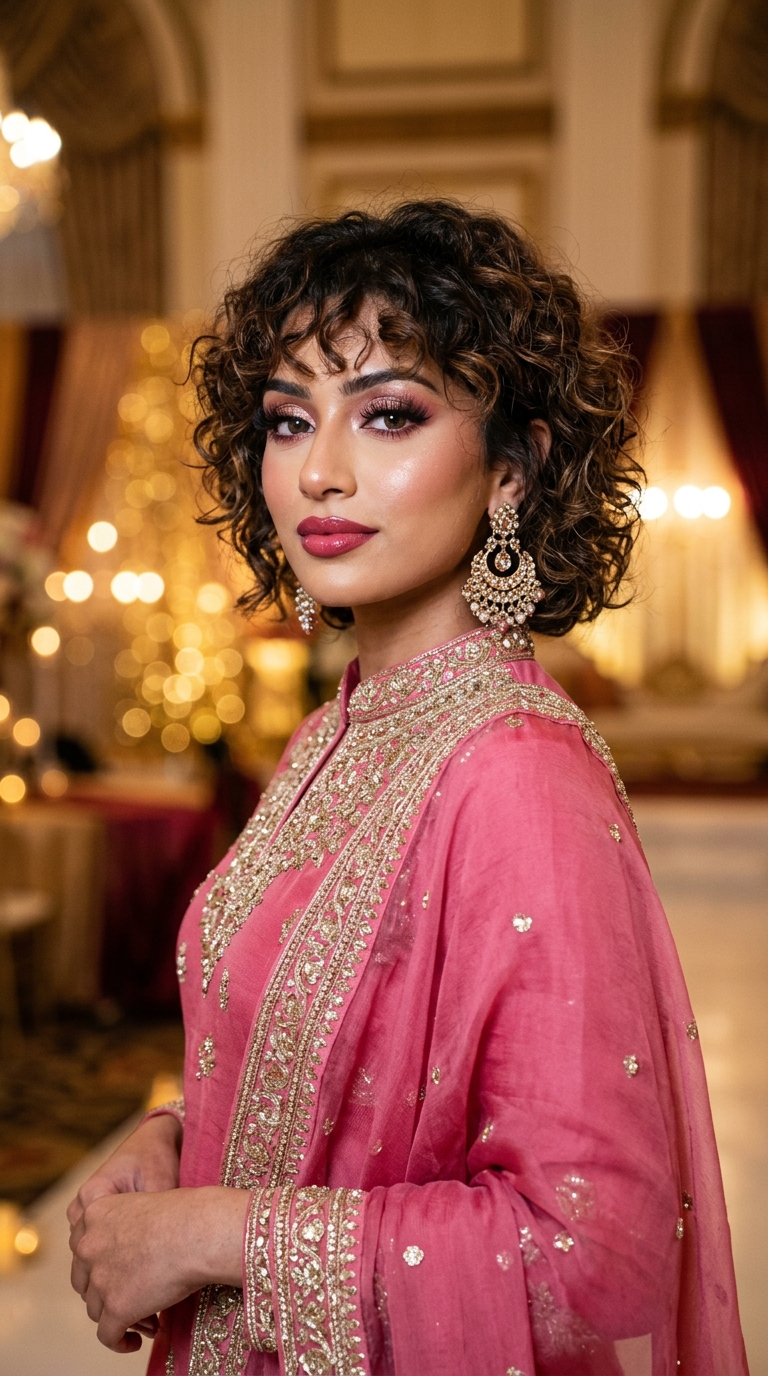
Short wavy and curly hairstyles are a beautiful way to celebrate natural texture while keeping your hair stylish, manageable, and full of personality. Whether you have loose beachy waves, springy curls, tight coils, or a mixture of different textures, the right short haircut can enhance your natural pattern and make your everyday styling routine easier. From timeless curly bobs to modern pixie cuts, there are plenty of options for women who want a fresh look without sacrificing volume or individuality.
One of the best things about short wavy and curly hair is its versatility. A simple change in your haircut, parting, or styling technique can completely transform your appearance. You can choose a soft and romantic style for everyday wear, a textured cut for a bold modern look, or a polished hairstyle for work and special occasions. Short hair can also make curls appear fuller by reducing excess weight that sometimes pulls natural texture downward.
However, choosing the right hairstyle involves more than finding an attractive photograph. Your curl pattern, hair density, face shape, lifestyle, and willingness to style your hair all influence which cut will work best for you. A haircut that looks voluminous on thick curls may behave differently on fine, wavy hair. Understanding these differences can help you select a style that looks flattering both in the salon and at home.
In this guide, we explore 15 short wavy and curly hairstyles for women that combine modern trends with practical styling. You will discover haircut ideas, styling techniques, maintenance recommendations, and tips for choosing a look that complements your natural texture.
1. Classic Curly Bob
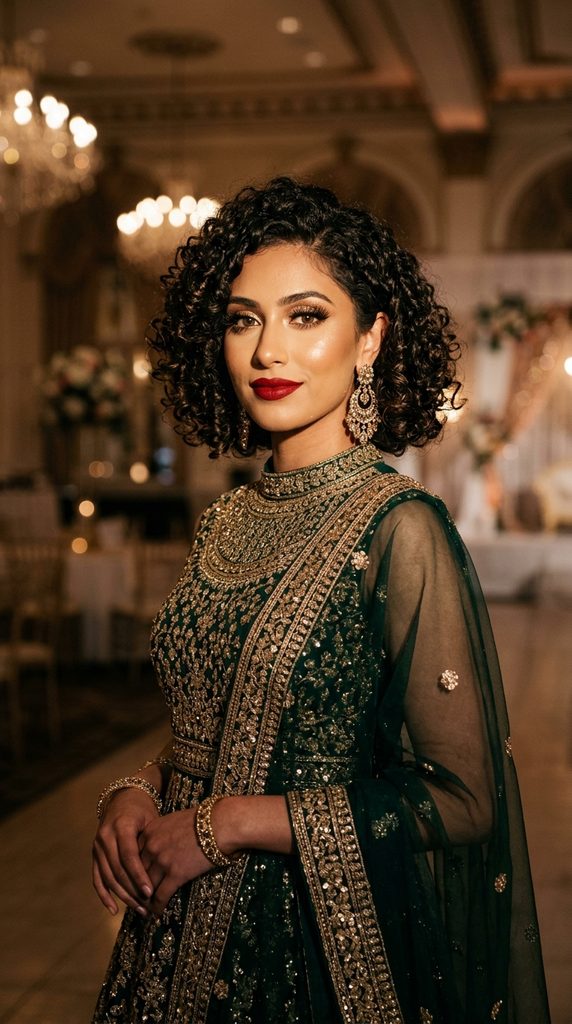
The classic curly bob is one of the most versatile short hairstyles for women. Usually cut around the chin or slightly below it, this style creates a balanced shape that allows curls to frame the face naturally. It works well for women who want a noticeable change without going extremely short.
A curly bob can look elegant, playful, or effortlessly casual depending on how it is cut and styled. Rounded curls create a soft silhouette, while a slightly uneven finish gives the haircut a more relaxed, modern appearance. Your stylist can adjust the length and layers to accommodate your curl pattern and desired amount of volume.
Why it works: A well-shaped bob can help curls look defined and lively without requiring complicated styling. Removing some length may also reduce the weight that stretches curls downward.
How to style it:
- Apply a lightweight leave-in conditioner to damp hair.
- Distribute curl cream or mousse through the mid-lengths and ends.
- Scrunch the hair gently to encourage curl formation.
- Air-dry or use a diffuser on low heat.
- Separate a few curls with your fingers after the hair is completely dry.
For a more polished finish, create a side part and tuck one side behind your ear. For a relaxed everyday look, allow the curls to fall naturally around your face.
Best for: Women with loose waves, medium curls, or defined ringlets who want a timeless, adaptable haircut.
2. Short Layered Curly Bob
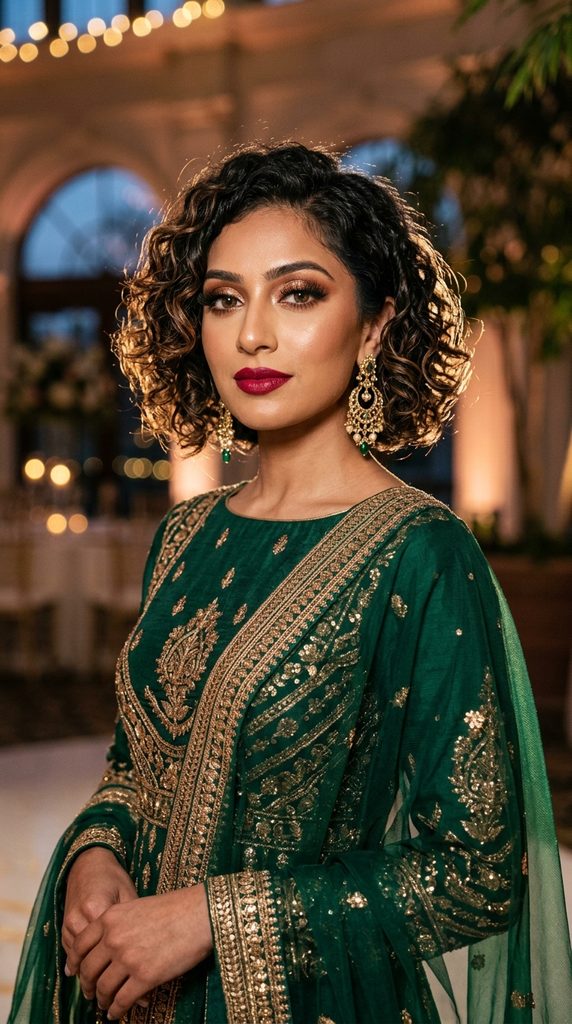
A short layered curly bob adds movement and shape to natural curls. Instead of cutting the hair to one uniform length, the stylist creates carefully placed layers that help distribute volume throughout the haircut.
This is particularly useful for women with thick or dense curls. Without suitable shaping, short curly hair can sometimes look wider around the sides or heavier at the bottom. Layers can create a more balanced silhouette while allowing individual curls to move freely.
The key is to use layers that complement your natural curl pattern. Too many short layers can create unwanted volume, while too few may leave thick hair looking bulky. An experienced stylist can determine where the layers should begin based on your hair density and how your curls shrink as they dry.
Styling tips:
- Begin with damp, detangled hair.
- Apply a moisturizing leave-in product.
- Use a small amount of curl cream or gel for definition.
- Scrunch upward without disturbing the curl pattern.
- Diffuse gently or let your hair air-dry.
Avoid brushing the finished style because it can separate the curls and create frizz. If you want extra height at the roots, gently lift them with your fingertips while drying.
Best for: Women with medium-to-thick curls who want a lightweight appearance and more movement.
3. Short Wavy Bob
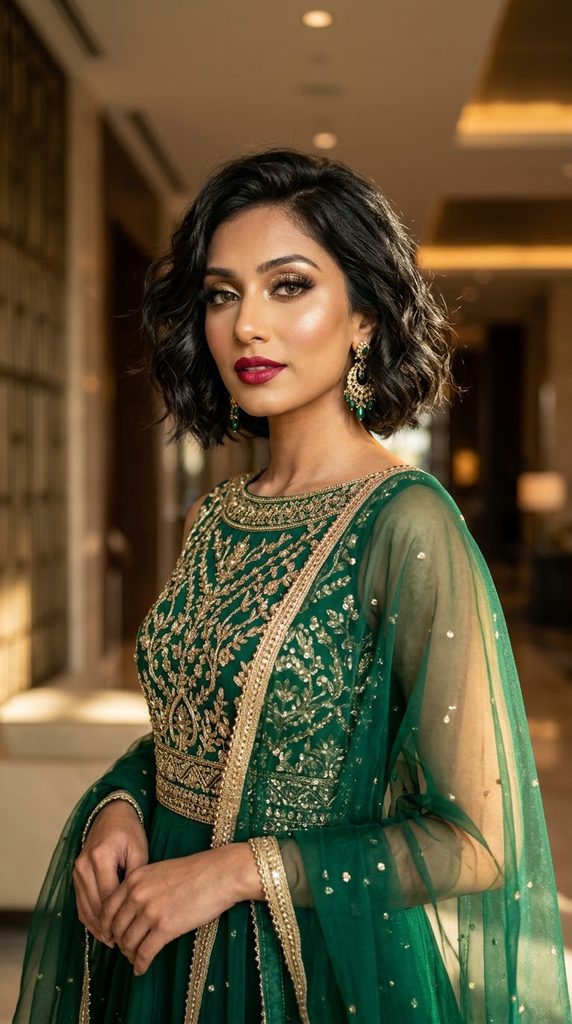
The short wavy bob is an excellent choice for women whose hair forms soft S-shaped waves rather than tight curls. It typically sits around the jawline or chin and can be worn with a center part, side part, or subtle fringe.
Unlike some highly structured haircuts, a wavy bob looks especially attractive when it has a slightly relaxed finish. The natural bends in the hair create texture without needing perfect curls or elaborate styling.
For fine hair, a relatively blunt outline can make the ends appear fuller. For thicker hair, subtle internal layers may help prevent the shape from becoming too heavy. Your stylist should consider how your waves behave when dry because wet hair can appear longer and straighter than its finished shape.
How to create soft waves:
- Apply a lightweight mousse to damp hair.
- Scrunch the hair gently from the ends toward the roots.
- Twist a few sections away from your face if you want more definition.
- Let your hair air-dry or use a diffuser.
- Finish with a small amount of lightweight serum if the ends look dry.
You can also use a curling iron on selected sections, but keep the finish relaxed rather than making every wave identical.
Best for: Women with naturally wavy hair who want a chic haircut that does not require extensive daily styling.
4. Curly Pixie Cut
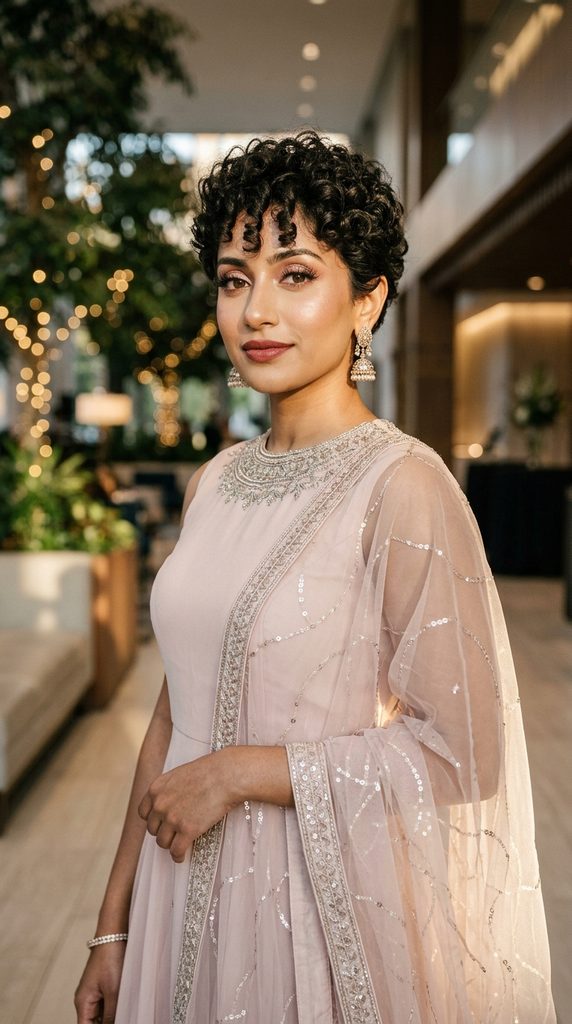
The curly pixie is a bold, low-length hairstyle that allows natural texture to become the main feature of your look. The sides and back are generally cut short, while the top may be left longer to create volume and definition.
This haircut can be tailored in many ways. A close-cropped pixie creates a neat, understated appearance, while a longer curly top looks expressive and fashion-forward. You can also choose a soft side-swept shape or a more defined silhouette with carefully shaped edges.
Although a pixie uses less styling product than many longer hairstyles, it still benefits from a haircut designed specifically for curls. The way curls shrink and spring upward can significantly affect the final shape.
Styling tips:
- Start with clean, damp hair.
- Apply a small amount of curl cream or styling gel.
- Use your fingertips to guide curls into place.
- Diffuse on low heat if you want additional volume.
- Smooth the edges with a tiny amount of suitable styling product if desired.
A curly pixie often needs regular trims to maintain its shape. The exact schedule depends on how quickly your hair grows and how closely cropped you prefer the sides and back.
Best for: Women who love short hair, want to highlight their facial features, and are comfortable maintaining a defined haircut.
5. Wavy Pixie with Textured Layers
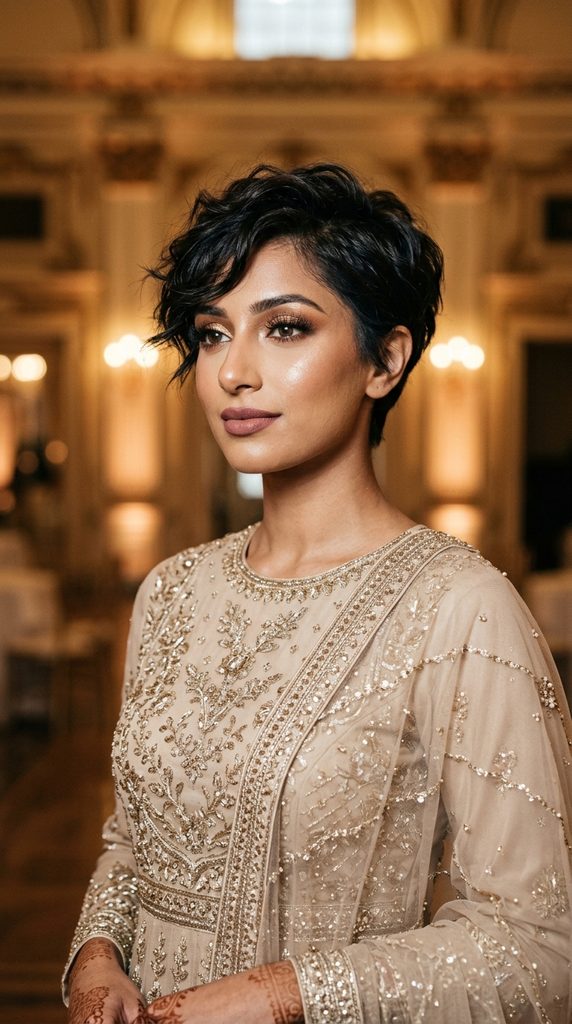
A wavy pixie with textured layers is a softer alternative to a traditional short pixie. It keeps enough length on top for waves to bend, lift, and move naturally, while shorter sides create a neat outline.
This hairstyle is particularly attractive for women who want a modern haircut with a little edge. The texture gives the hair a relaxed appearance, making it suitable for casual outfits as well as more polished occasions.
The haircut can be customized according to your hair density. Fine hair may benefit from a carefully shaped top that creates the appearance of fullness. Thick hair may need additional shaping to prevent the sides from becoming too bulky.
How to style it:
- Apply a lightweight volumizing mousse to damp hair.
- Scrunch the top gently to encourage natural waves.
- Use your fingers to direct the front sections to one side.
- Dry with a diffuser or let the hair dry naturally.
- Finish with a small amount of flexible-hold styling paste if needed.
Avoid using too much heavy cream or oil, especially if your hair is fine. These products may flatten the waves and reduce the texture that makes this haircut appealing.
Best for: Women with loose waves who want a short, youthful-looking style with movement and personality.
6. Curly Shag Haircut
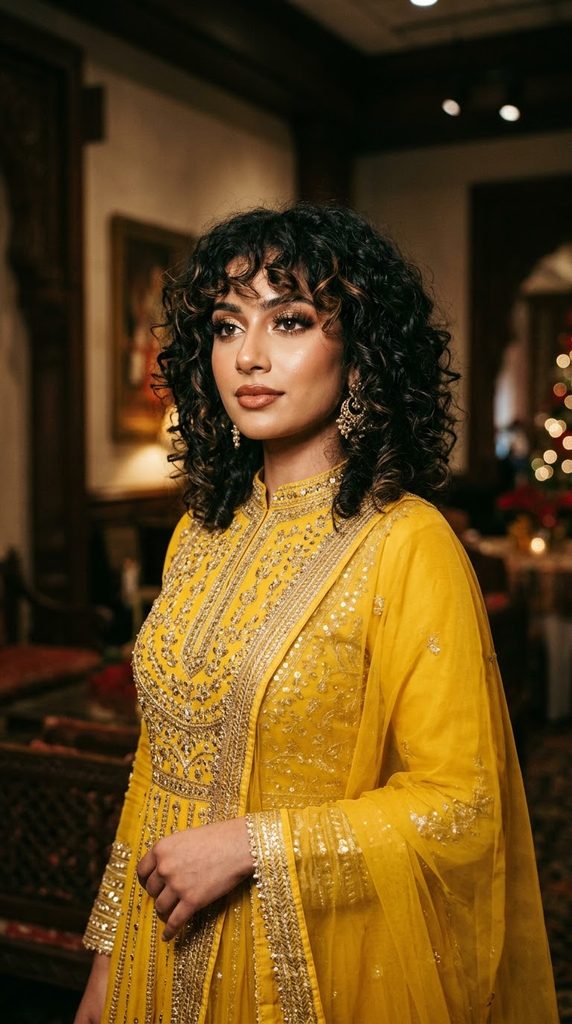
The curly shag is a layered haircut known for its relaxed, textured shape. It usually features shorter layers around the crown, movement through the sides, and a slightly undone finish. On curly hair, these layers can create a lively silhouette with plenty of natural character.
A short curly shag is a great option if you like hairstyles that do not look overly polished. It embraces irregular curl patterns rather than trying to make every section appear identical.
The cut can also be customized with or without bangs. Soft curtain bangs create a face-framing effect, while a fringe made from shorter curls can produce a bolder appearance. Your stylist should account for shrinkage and your preferred amount of forehead coverage before cutting the fringe.
Styling tips:
- Apply a leave-in conditioner to damp hair.
- Work a lightweight mousse through the roots and lengths.
- Scrunch the curls to encourage definition.
- Diffuse while lifting the roots gently.
- Allow the hair to cool and dry completely before fluffing the layers.
If your curls tend to become frizzy, avoid repeatedly touching them while they dry. A small amount of gel can help maintain definition and reduce unwanted expansion.
Best for: Women who want a relaxed, expressive haircut with movement and natural volume.
7. Short Curly Shag with Bangs
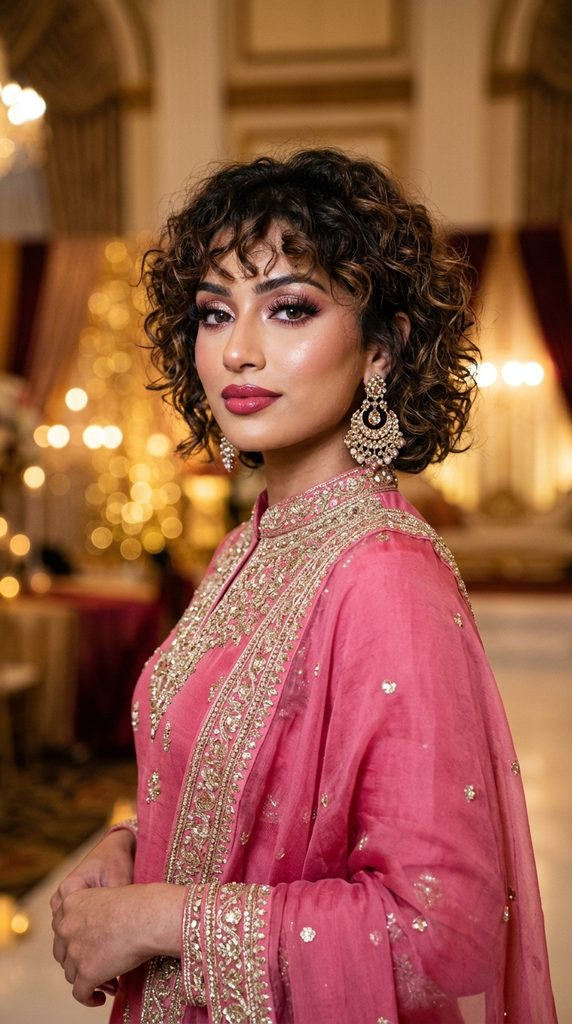
Adding bangs to a short curly shag creates a distinctive, face-framing hairstyle. The fringe can be soft and wispy, rounded and full, or shaped into longer pieces that blend into the sides.
Curly bangs can look beautiful, but they require thoughtful cutting. Curly hair often springs upward when dry, so bangs that appear long when wet may become much shorter once the curls form. Ask your stylist to consider your natural curl pattern and preferred finished length.
This hairstyle can be particularly appealing when you want your hair to feel playful without losing its natural texture. The combination of a curly fringe and layered sides gives the haircut movement from every angle.
How to style curly bangs:
- Apply a small amount of curl cream to damp fringe sections.
- Shape individual curls using your fingers.
- Dry with low heat and gentle airflow if using a diffuser.
- Avoid applying heavy oils directly to the roots.
- Adjust a few curls with your fingers once the fringe is dry.
If you prefer softer bangs, ask for a longer fringe that blends gradually into the surrounding layers. This can also make the haircut easier to grow out.
Best for: Women with waves or curls who enjoy expressive, face-framing styles and are happy to give their fringe a little extra attention.
8. Chin-Length Curly Bob with a Side Part
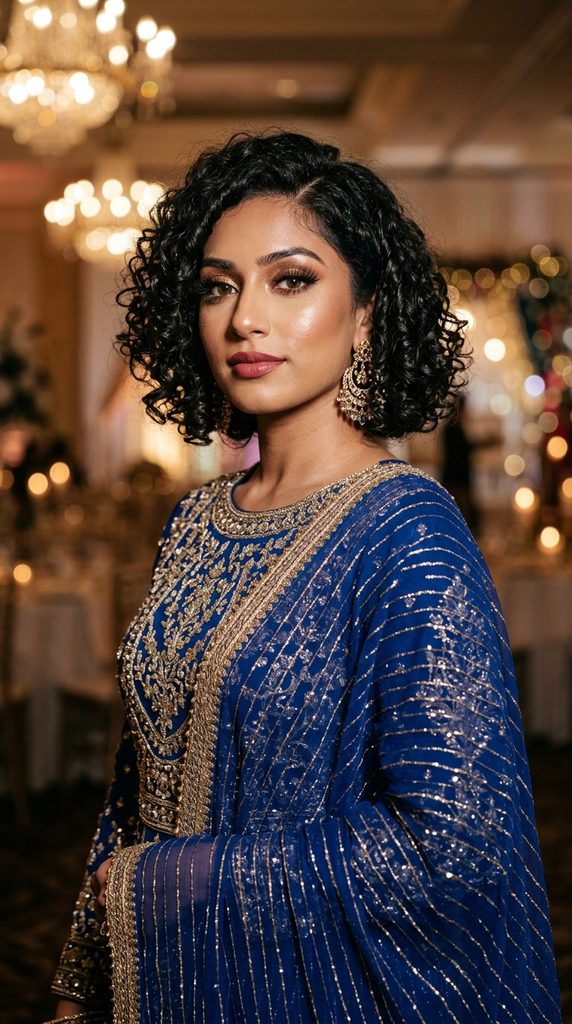
A chin-length curly bob with a side part offers a flattering combination of structure and softness. The side part shifts the visual balance of the hairstyle, allowing curls to create extra height on one side while framing the opposite side of the face.
This style can be worn with defined ringlets for a polished finish or with softer curls for a more casual appearance. It is especially useful if you like changing your hairstyle without changing the haircut itself.
The final result depends on your natural density and curl pattern. If your curls are very tight, the stylist may recommend a slightly longer initial cut to account for shrinkage. If your hair is wavy, a shorter bob can encourage more visible bends and movement.
Styling tips:
- Create your side part while your hair is damp.
- Apply a curl-enhancing product evenly.
- Scrunch the hair without disturbing the part.
- Diffuse gently, concentrating on the roots for lift.
- Use your fingers to position the front curls after drying.
For a special event, add a decorative hair clip to the smaller side. This simple detail can make the style look more formal without requiring heat styling.
Best for: Women who want a classic short haircut with asymmetrical volume and versatile styling options.
9. Short Curly Bob with Curtain Bangs
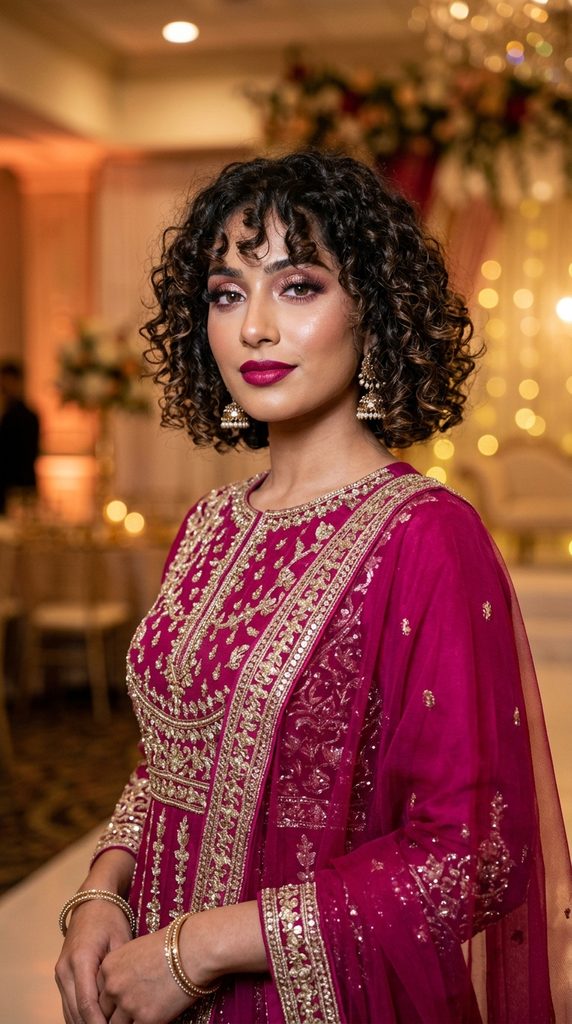
Curtain bangs create a soft opening around the forehead and blend into the sides of the haircut. When combined with a short curly bob, they produce a romantic, face-framing style that feels modern without being overly dramatic.
Unlike a straight, blunt fringe, curtain bangs are usually longer near the temples. This makes them easier to blend into the rest of the hair and gives you the option to sweep them away from your face.
The style can work with loose waves, large curls, or some tighter curl patterns, provided the fringe is customized to the hair’s natural behavior. Women with strong shrinkage should discuss the finished length carefully with their stylist.
How to style it:
- Apply a lightweight curl product to damp hair.
- Separate the fringe into two sections.
- Encourage the front pieces to bend away from the center.
- Use a diffuser or gentle airflow to set the shape.
- Finish by arranging the surrounding curls with your fingers.
You do not need to make both sides perfectly symmetrical. A little natural variation can help the hairstyle look relaxed and effortless.
Best for: Women who want a soft, feminine haircut with a fringe that blends naturally into short curls.
10. Tapered Natural Curly Cut
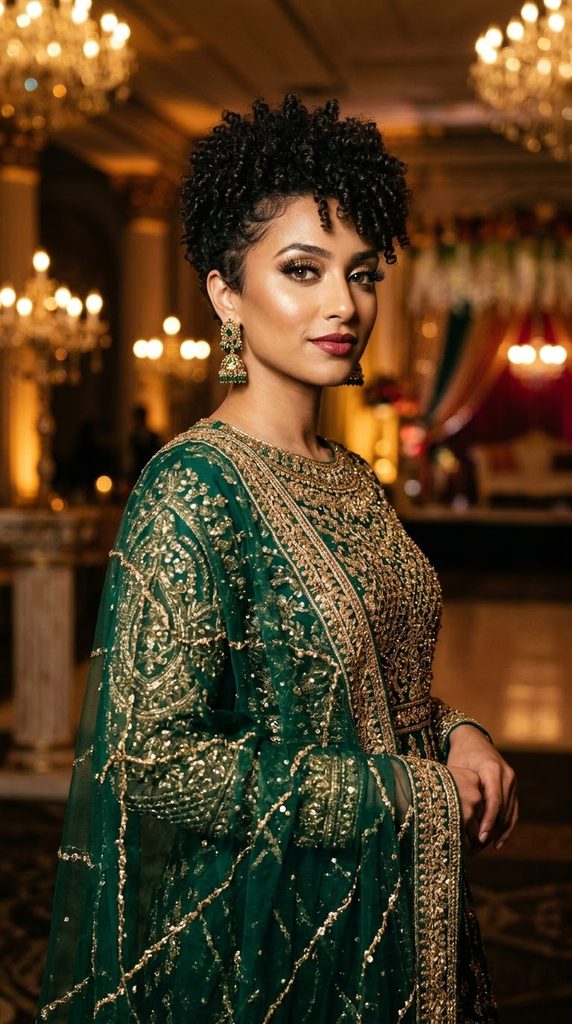
A tapered natural curly cut keeps the sides and back shorter while leaving more length on top. The gradual change in length creates a clean outline and allows the curls on top to become the focus.
This hairstyle is especially versatile for women with tight curls and coils. The shorter sides can reduce bulk around the ears and neckline, while the longer top provides opportunities for different shapes and styling choices.
A tapered cut can be subtle or dramatic. You might prefer a gentle taper that preserves softness around the edges, or a more defined shape that creates stronger contrast between the top and sides.
Styling tips:
- Cleanse and condition your hair with products suited to your texture.
- Apply a leave-in conditioner while the hair is damp.
- Use a curl cream or gel to define the top.
- Allow the curls to dry completely.
- Refresh flattened areas with a little water and styling product.
Moisture is important, but using too much product can create buildup. Adjust the amount according to your hair’s thickness and how easily it becomes weighed down.
Regular shape-ups can help maintain the taper, while the top can be trimmed according to your desired length.
Best for: Women with natural curls or coils who want a structured, easy-to-customize short hairstyle.
11. Short Asymmetrical Wavy Bob
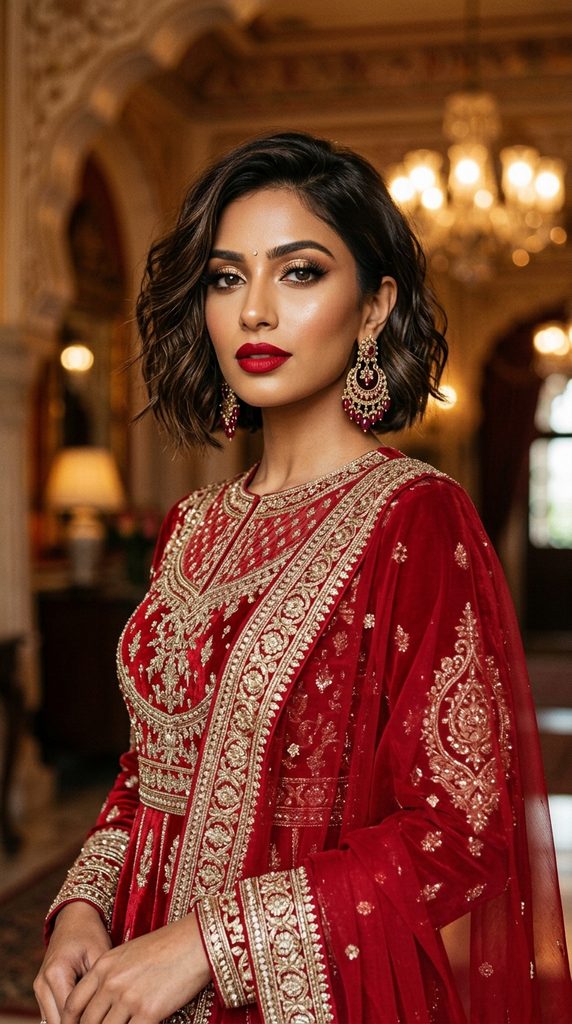
An asymmetrical wavy bob features one side that is slightly longer than the other. The difference can be subtle for an understated look or more noticeable for a fashion-forward style.
The combination of asymmetry and natural waves adds visual movement without requiring tight curls or elaborate styling. It can also give a traditional bob a more distinctive shape.
When planning the cut, discuss how your waves fall on each side. Natural partings, cowlicks, and differences in density can affect how the asymmetry appears. Your stylist may recommend a shape that follows your natural movement instead of forcing your hair into an uncomfortable direction.
How to style it:
- Apply mousse to damp hair for lightweight hold.
- Encourage waves with gentle scrunching.
- Direct the longer front section slightly forward or away from the face.
- Use a diffuser for added texture or air-dry for a softer finish.
- Finish with a flexible-hold product if you need extra definition.
This cut can be worn casually with a slightly messy texture or smoothed into a more polished finish for an evening event.
Best for: Women who enjoy contemporary hairstyles and want something different from a symmetrical bob.
12. Short Beach Waves
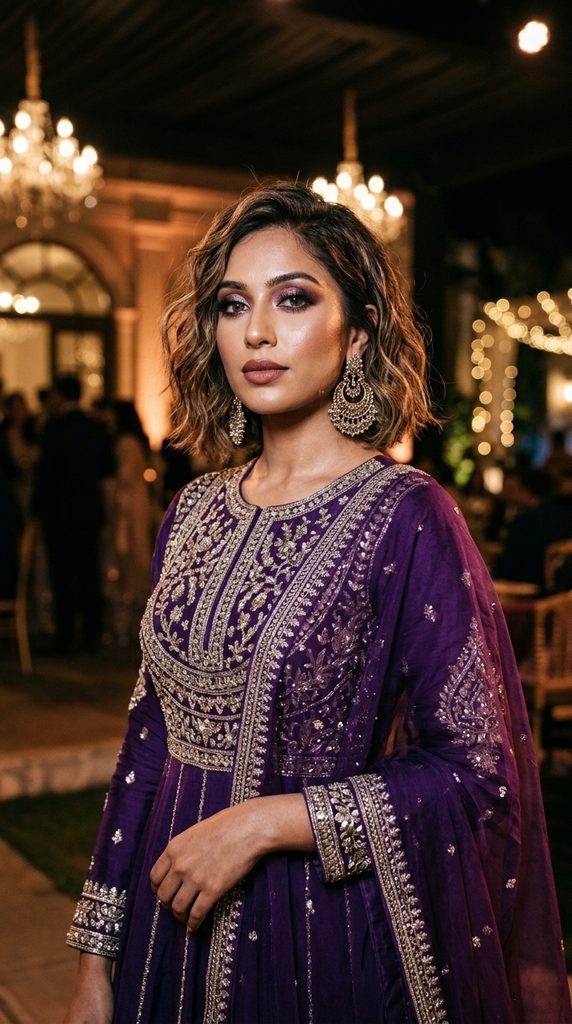
Short beach waves create a relaxed, carefree appearance that works particularly well on naturally wavy hair. The style can be achieved with a short bob, a longer pixie, or a layered crop that leaves enough length for visible bends.
The goal is not to make every wave identical. Instead, the hairstyle emphasizes soft movement and a slightly undone texture that feels natural rather than overly styled.
If your hair is already wavy, you may only need a little product to enhance its pattern. Straighter hair can also be styled into beachy waves with a heat tool, although frequent heat styling may increase dryness and breakage.
Styling method:
- Apply a lightweight mousse or wave-enhancing product to damp hair.
- Scrunch the ends gently.
- Twist a few sections loosely if you want more definition.
- Air-dry or use a diffuser on low heat.
- Separate the waves gently once the hair is dry.
A salt spray may add texture to some hair types, but it can also make dry hair feel rough. If your hair is prone to dryness, choose a moisturizing styling product instead.
Best for: Women who want an easygoing, casual hairstyle with soft texture and minimal daily effort.
13. Voluminous Short Curly Cut
A voluminous short curly cut celebrates fullness, lift, and the natural shape of curls. Rather than trying to flatten the hair, the haircut is designed to distribute volume in a balanced way.
This style can be rounded, softly layered, or shaped with more height at the crown. It is especially attractive for women whose curls naturally expand as they dry and who enjoy a bold, expressive silhouette.
The right cut depends on your curl density. Thick hair may need carefully placed layers to prevent excess bulk, while finer curls may benefit from a shape that preserves fullness around the perimeter.
How to enhance volume:
- Apply lightweight styling products instead of heavy creams.
- Focus some product near the roots if your hair needs lift.
- Diffuse with your head tilted to one side or forward.
- Avoid stretching the curls while they dry.
- Once fully dry, lift the roots gently with your fingers.
If you use a pick to lift the roots, avoid pulling through the full length of defined curls unless you intentionally want a fluffier finish.
Best for: Women with medium-to-dense curls who love a full hairstyle with natural height and movement.
14. Short Curly Undercut
A curly undercut combines longer curls on top with closely cropped or shaved sections around the sides or back. The contrast creates a bold style that can be customized according to your personal taste.
Some women prefer a discreet undercut that is visible only when the hair is tied or tucked away. Others choose a more noticeable design that highlights the difference between the longer top and shorter sides.
One advantage of this haircut is that it can reduce the amount of hair around the sides and neckline. However, the closely cropped sections require maintenance if you want to preserve the contrast.
Styling tips:
- Apply curl cream to the longer sections on top.
- Define the curls with your fingers or a gentle scrunching motion.
- Diffuse on low heat or air-dry.
- Arrange the top toward the front, side, or back.
- Keep the shorter sections neatly trimmed according to your preference.
You can change the look by sweeping the top to one side or letting the curls fall forward. The haircut is versatile, although growing out the undercut may require patience.
Best for: Women who want a distinctive, confident hairstyle and enjoy the contrast between short sides and textured curls.
15. Soft Rounded Curly Crop
The soft rounded curly crop is a short haircut shaped to follow the natural curve of the head. It usually features compact layers and a balanced silhouette that allows curls to create a rounded outline.
This style can feel neat without looking severe. Its softness comes from the way the curls blend together, creating an even shape rather than a sharply angular cut.
A rounded crop can work with different curl patterns, but the finished shape must be adapted to the hair’s natural shrinkage and density. Tight curls may create a compact, springy silhouette, while looser curls can produce a softer, more open shape.
How to style it:
- Start with damp, conditioned hair.
- Apply a lightweight curl cream or gel.
- Distribute the product evenly rather than concentrating it in one area.
- Encourage the curls to form naturally.
- Dry gently and avoid disturbing the shape until the hair is fully dry.
To refresh the haircut between washes, mist the hair lightly with water and reshape sections with your fingers. Add a small amount of styling product only where necessary.
Best for: Women who prefer a short, balanced hairstyle that highlights natural curls without complicated styling.
How to Choose the Best Short Wavy or Curly Hairstyle
Finding the right haircut involves considering how your hair behaves in everyday life, not just how a style looks in a photograph. The following factors can help you make a more informed decision.
Consider Your Natural Texture
Hair texture plays a major role in the final result. Wavy hair often benefits from lightweight products that preserve movement, while tighter curls may need more moisture and a product that supports definition.
If your hair combines several textures, tell your stylist. Some sections may curl more tightly than others, and the haircut should account for these differences.
Think About Your Hair Density
Density refers to how much hair you have overall. Thick hair may need layers or strategic shaping to prevent a bulky silhouette. Fine hair may benefit from a stronger outline or fewer layers to help the ends look fuller.
Remember that hair density and strand thickness are different. You can have fine individual strands but a large amount of hair, or thick strands with relatively low density.
Match the Haircut to Your Lifestyle
If you prefer a simple routine, consider a curly bob, a short wavy bob, or a natural crop that works with your existing texture. If you enjoy experimenting, a curly shag, asymmetrical bob, or undercut may offer more styling possibilities.
Very short cuts can reduce washing and detangling time, but some require more frequent salon visits to maintain their shape.
Discuss Face-Framing Details
No face shape automatically rules out a particular haircut. Instead, consider how the length, fringe, layers, and volume affect the overall balance you want.
For example, a side part can introduce asymmetry, curtain bangs can soften the forehead area, and height at the crown can change the overall silhouette. A stylist can help you choose proportions that suit your features and preferences.
Account for Shrinkage
Curly hair often looks shorter when dry than when wet. This is particularly important when choosing a pixie, curly fringe, or rounded crop.
Ask your stylist how they will account for shrinkage before cutting. Some stylists prefer to shape curls dry or use a combination of wet and dry cutting techniques, depending on the desired result and the hair’s behavior.
How to Style Short Wavy and Curly Hair at Home
You do not need a complicated routine to make short curls look attractive. A few consistent techniques can help maintain definition, volume, and softness.
Step 1: Cleanse Without Overdrying
Choose a shampoo that suits your scalp and hair needs. Curly hair often benefits from a conditioning routine that helps reduce tangles and dryness, but the best products depend on your scalp condition and how frequently you wash.
Concentrate shampoo on the scalp and let the lather rinse through the lengths. Avoid rough scrubbing that tangles the hair unnecessarily.
Step 2: Condition and Detangle Gently
Apply conditioner where your hair needs it. Detangle with your fingers or a wide-tooth comb while the hair is wet and slippery with conditioner.
Start near the ends and gradually work upward. Avoid forcing a comb through knots because this can cause breakage.
Step 3: Apply Styling Products to Damp Hair
For waves, try a lightweight mousse or wave-enhancing product. For curls, a curl cream or gel may help define the pattern. Very fine hair can become flat under heavy products, while dense or coarse curls may need richer conditioning formulas.
Begin with a small amount and add more only if necessary.
Step 4: Encourage Your Natural Pattern
Scrunching helps many wavy and curly textures form their natural pattern. Cup the ends of the hair in your palms and gently push them upward toward the roots.
For individual curls, wrap a small section around your finger if it needs additional definition. Avoid repeatedly handling the hair once the curls begin to set.
Step 5: Dry Carefully
Air-drying is an option if you have enough time. A diffuser can speed up drying and help preserve curl shape when used with gentle airflow and moderate or low heat.
Keep the dryer moving and avoid using high heat for extended periods. If you regularly use heat, consider a suitable heat protectant.
Step 6: Finish After the Hair Is Dry
Wait until the hair is completely dry before separating curls or fluffing the roots. If you applied gel and your hair feels slightly stiff, gently scrunch the dry curls to soften the finish.
Use a small amount of serum if your ends need it, but avoid applying excessive product that may make the hair greasy or weigh it down.
How to Maintain Short Wavy and Curly Hairstyles
Short hair is not automatically maintenance-free. A good routine helps preserve the haircut’s shape and keeps curls looking their best.
Schedule Trims According to Your Cut
Pixie cuts, tapers, and undercuts may need more frequent trims than longer bobs because their shape changes as the hair grows. Layered bobs and shags may allow more flexibility between appointments.
Your ideal schedule depends on how quickly your hair grows and how precise you want the haircut to remain.
Protect Your Hair While Sleeping
A satin or silk pillowcase can reduce friction for some people. A loose satin bonnet may also help preserve curls overnight, provided it fits comfortably and does not pull on the hair.
In the morning, refresh flattened sections with a little water and a small amount of styling product rather than restyling the entire head unnecessarily.
Avoid Excessive Heat
Frequent high-heat styling can contribute to dryness and damage. Whenever possible, work with your natural pattern and use a diffuser on a gentle setting.
If you use a curling iron or straightener, choose a suitable heat protectant and avoid repeatedly passing the tool over the same section.
Keep Product Buildup Under Control
Using more styling product does not always produce better definition. Too much cream, gel, oil, or mousse can leave hair coated or limp.
Adjust the amount according to your texture and wash your hair when buildup becomes noticeable. If you use heavier styling products, an occasional clarifying shampoo may be helpful, provided it suits your hair and scalp.
Maintain Moisture and Elasticity
Conditioning helps improve softness and manageability, especially for curls that tangle easily. If your hair feels dry, consider adjusting your conditioner or leave-in product rather than layering several products on top of one another.
Healthy-looking hair also benefits from gentle detangling, careful handling, and avoiding hairstyles that create excessive tension.
Common Mistakes to Avoid with Short Curly Hair
Even a beautiful haircut can be difficult to manage if the styling routine does not suit your texture. Watch out for these common mistakes.
Cutting bangs too short while wet: Curly hair may spring upward when it dries. Discuss shrinkage with your stylist before deciding on a fringe length.
Using too much heavy product: Thick creams and oils can flatten fine waves and leave curls feeling coated. Start with a small amount.
Brushing dry curls: Brushing often separates defined curls and increases frizz. Detangle gently when the hair is wet and conditioned, unless your stylist has recommended a different approach for your specific texture.
Ignoring the haircut’s shape: Layers that suit one curl pattern may not work equally well for another. Choose a stylist who understands how your hair behaves when dry.
Expecting every curl to match: Natural hair rarely forms perfectly identical curls. Small differences in shape and direction are normal and can make your hairstyle look more natural.
Changing too many products at once: If your hair becomes flat, dry, or frizzy, change one part of your routine at a time so you can identify what works.
Frequently Asked Questions
1. What is the best short hairstyle for naturally curly hair?
The best choice depends on your curl pattern, density, preferred length, and styling routine. A classic curly bob is versatile, a layered curly bob adds movement, and a tapered crop creates a more structured silhouette. A stylist familiar with curly hair can customize the cut to your needs.
2. Are short hairstyles good for wavy hair?
Yes. Short bobs, textured pixies, beachy crops, and layered cuts can all work beautifully with wavy hair. The right shape helps the natural bends remain visible without weighing the hair down.
3. Which short haircut makes curly hair look fuller?
A well-shaped layered bob or voluminous curly crop may help create a fuller appearance. The best option depends on your natural density and how your curls form. Too many layers can sometimes reduce fullness at the ends, so ask your stylist to tailor the cut to your hair.
4. Can women with fine hair wear short curly hairstyles?
Absolutely. A short wavy bob, a softly layered pixie, or a carefully shaped curly bob can work well for fine hair. Lightweight styling products and a haircut that preserves fullness at the ends can help prevent the hair from looking flat.
5. How can I reduce frizz in short curly hair?
Use a suitable conditioner, apply styling products to damp hair, avoid rough towel-drying, and minimize touching the curls while they dry. A microfiber towel or soft cotton T-shirt may help reduce friction. The amount of frizz also depends on humidity, hair condition, and your natural texture.
6. How often should short curly hair be trimmed?
There is no single schedule for every haircut. Closely cropped pixies, tapers, and undercuts usually need more frequent maintenance than longer bobs. Ask your stylist how often your particular cut will need reshaping.
7. Can I style short curly hair without heat?
Yes. Apply suitable styling products to damp hair, scrunch gently, and allow it to air-dry. Finger-coiling selected sections can help define individual curls. Air-drying may take longer, especially for dense hair, but it can reduce reliance on heat tools.
8. Are bangs suitable for short curly hair?
Yes, curly bangs can look beautiful when cut to accommodate the natural curl pattern and shrinkage. Curtain bangs and longer, blended fringes are useful options if you prefer a softer transition into the sides.
9. What products should I use for short wavy hair?
A lightweight mousse, leave-in conditioner, or wave-enhancing product may be sufficient. Fine waves often become weighed down by heavy creams, while thicker hair may benefit from more conditioning. Choose products based on how your hair responds rather than buying every product marketed for curls.
10. How do I refresh short curls the next day?
Mist flattened areas lightly with water, reshape curls with your fingers, and add a small amount of leave-in conditioner or styling product if necessary. Allow the hair to dry before fluffing the roots. You usually do not need to wash and restyle the entire head every day.
Final Thoughts
Short wavy and curly hairstyles offer countless ways to express your personality while embracing your natural texture. From a classic curly bob and a textured pixie to a curly shag, tapered cut, or voluminous crop, there is a style to suit different preferences, curl patterns, and lifestyles.
The secret to finding your best haircut is to consider more than appearance alone. Think about your hair density, how much shrinkage your curls have, the amount of time you want to spend styling, and how often you are comfortable visiting the salon. Bring reference photographs to your appointment, but remember that the final result should be adapted to your individual hair.
With a suitable cut, a simple styling routine, and gentle maintenance, short waves and curls can look defined, healthy, and full of movement. Choose the hairstyle that makes you feel confident, work with your natural texture, and enjoy experimenting with different ways to wear your short hair.

- 15 Short Wavy & Curly Hairstyles for Women to Try in 2026 - October 24, 2026
- Short Wavy & Curly Hairstyles - October 24, 2026
- Medium Layered Haircuts - October 24, 2026