

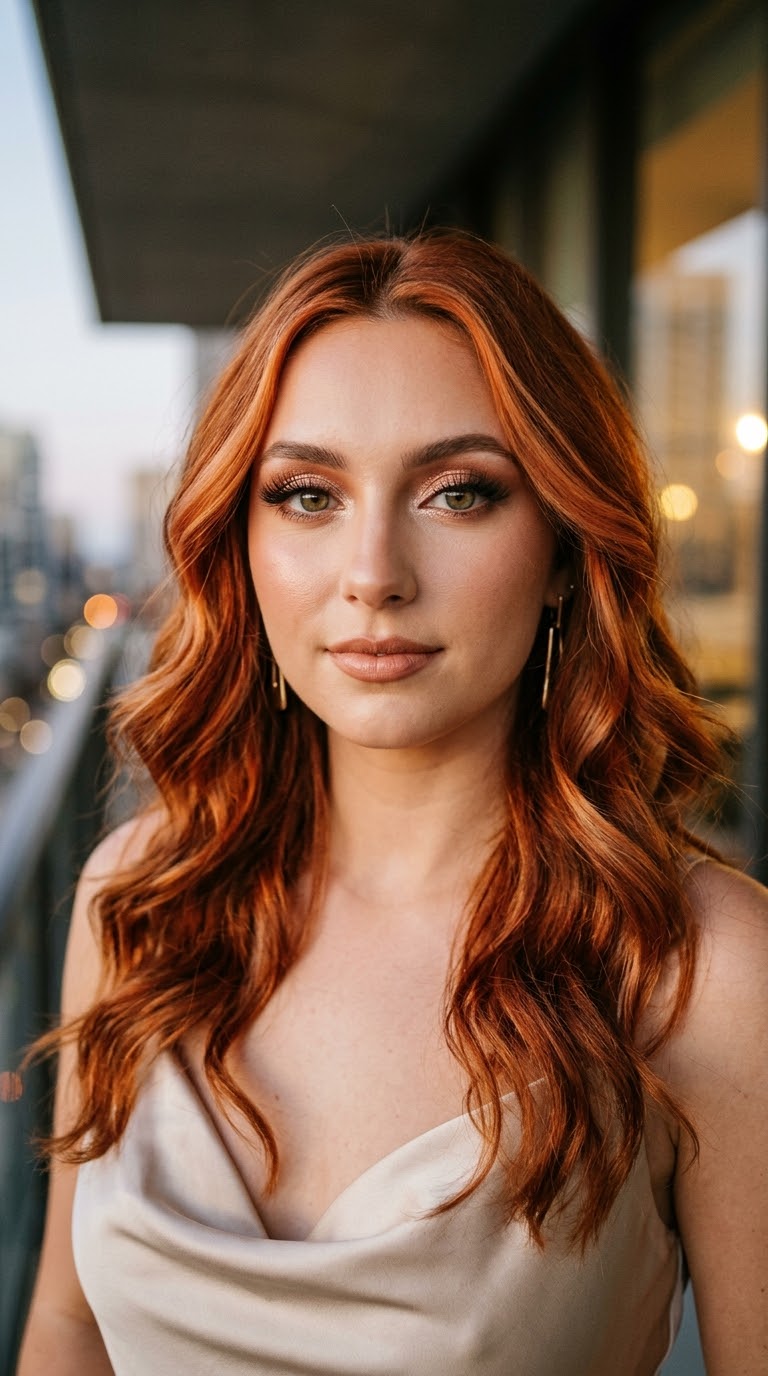
Burnt orange hair color is the perfect choice for anyone who wants a warm, vibrant, and stylish look without choosing a traditional blonde, brunette, or bright red shade. Inspired by autumn leaves, copper sunsets, and rich cinnamon tones, this beautiful color combines orange, red, and brown undertones to create a multidimensional finish. It can look bold and dramatic or soft and natural, depending on the shade and coloring technique you choose.
One of the best things about burnt orange hair is its versatility. You can wear it as a full-head color, add subtle highlights to brown hair, create a beautiful balayage, or experiment with burnt orange ombre. The shade also works with different hair lengths and textures, including straight bobs, long waves, curly hairstyles, and layered cuts.
If you are thinking about refreshing your hairstyle, burnt orange can give your hair a noticeable transformation while maintaining a warm, sophisticated appearance. The key is finding a version that complements your skin undertone, natural hair color, personal style, and maintenance routine.
In this guide, you will discover 15 stunning burnt orange hair color ideas, how to choose the right shade, styling tips, maintenance advice, and answers to common questions about this eye-catching hair color.
What Is Burnt Orange Hair Color?
Burnt orange hair color is a warm shade that blends orange with deeper red, copper, and brown tones. Unlike neon orange or bright pumpkin orange, burnt orange usually has a richer, slightly muted appearance. This gives it a sophisticated finish that can be adapted to both everyday hairstyles and more dramatic looks.
The exact shade can vary from deep auburn-orange to bright copper-orange. Some versions have noticeable red undertones, while others lean toward golden copper or earthy brown. Your stylist can adjust the formula to achieve a result that suits your complexion and desired level of intensity.
Burnt orange can also be customized through different coloring techniques. A solid color creates a bold statement, while highlights and balayage add dimension without completely changing your natural base.
1. Classic Burnt Orange Hair
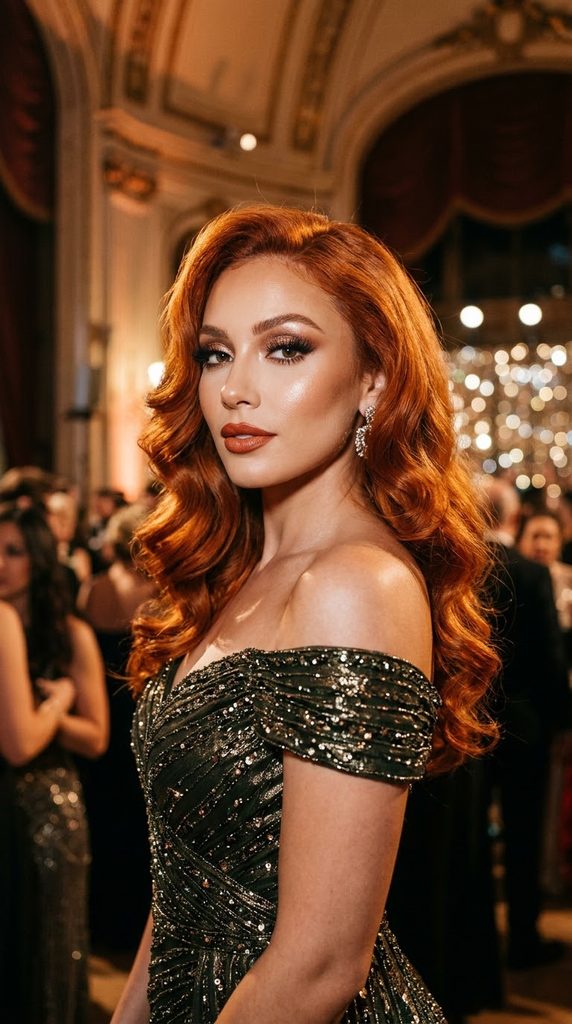
Classic burnt orange is an excellent option if you want a rich, noticeable color that feels both modern and timeless. It combines warm orange tones with subtle red and brown undertones, creating a balanced shade that is vibrant without looking overly bright.
This color looks particularly beautiful on medium-length hair, long layers, and softly curled hairstyles. Loose waves help reflect light across the different tones, making the hair appear fuller and more dimensional.
For a polished everyday look, style your hair with a round brush or create loose waves using a curling iron. If you prefer a sleek finish, straight hair can showcase the color’s richness and smooth appearance.
Classic burnt orange is ideal for anyone who wants a complete color transformation. However, the final result depends on your starting hair color, so consult a professional colorist if your hair is naturally very dark or has previously been dyed.
2. Dark Burnt Orange Hair
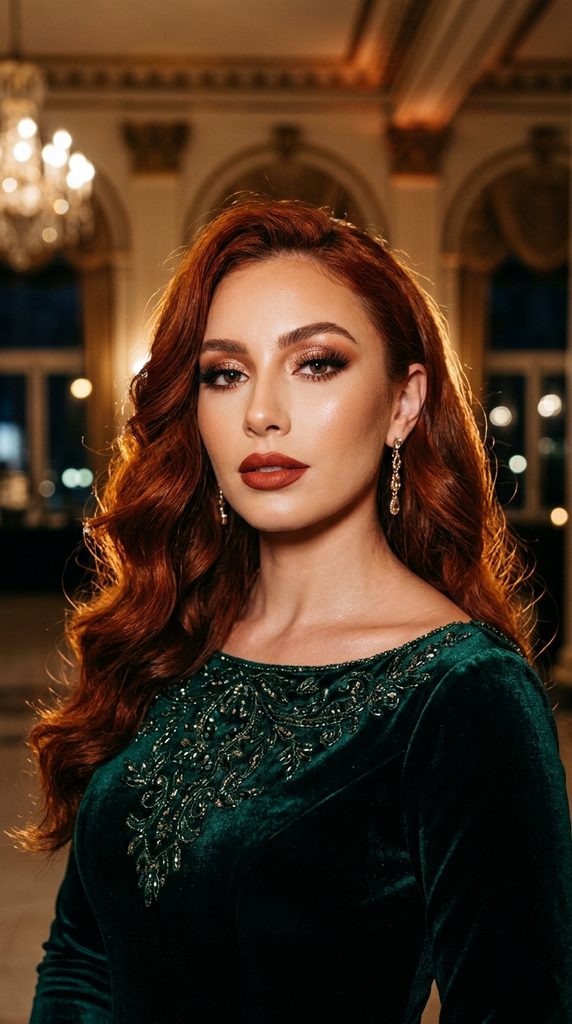
Dark burnt orange hair offers a deeper, more understated version of the trend. It combines rich copper and auburn tones with a brown base, creating a shade that looks elegant rather than intensely bright.
This option is especially appealing if you want to experiment with orange hair while keeping the overall appearance relatively subtle. The darker base can also make regrowth less noticeable than a very light, vivid orange shade, depending on your natural color and application technique.
Dark burnt orange works beautifully on long layers, shoulder-length cuts, and textured bobs. It can also enhance naturally wavy hair because the different curves create subtle variations in how the color catches the light.
Ask your stylist for a deep copper-auburn formula with burnt orange undertones. If your hair is naturally dark, you may be able to achieve a subtle version without extensive lightening, although the result will depend on your hair’s existing pigment.
3. Burnt Orange Balayage
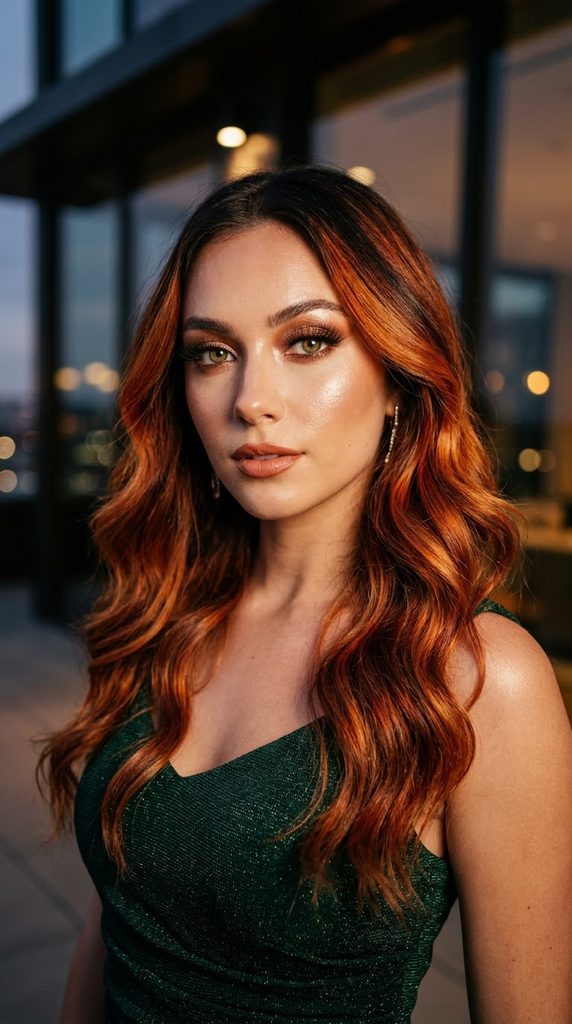
Burnt orange balayage is perfect if you want warmth and dimension without coloring every strand from root to tip. In this technique, the colorist strategically paints warm orange and copper tones through selected sections of the hair.
The result is a blended appearance that can look natural as it grows out. Your natural root color remains visible, while the mid-lengths and ends receive the warm burnt orange effect.
This style is particularly attractive on long layers, beach waves, and shoulder-length haircuts. The different tones become more noticeable when the hair moves, creating a sunlit appearance with a rich autumn-inspired finish.
You can choose subtle copper-orange ribbons for a softer transformation or brighter orange pieces for a bolder effect. Balayage is also a useful option if you prefer not to maintain a perfectly uniform root color.
For the most flattering result, ask your stylist to place lighter pieces around the areas where you want extra dimension, such as the front sections and ends.
4. Burnt Orange Ombre Hair
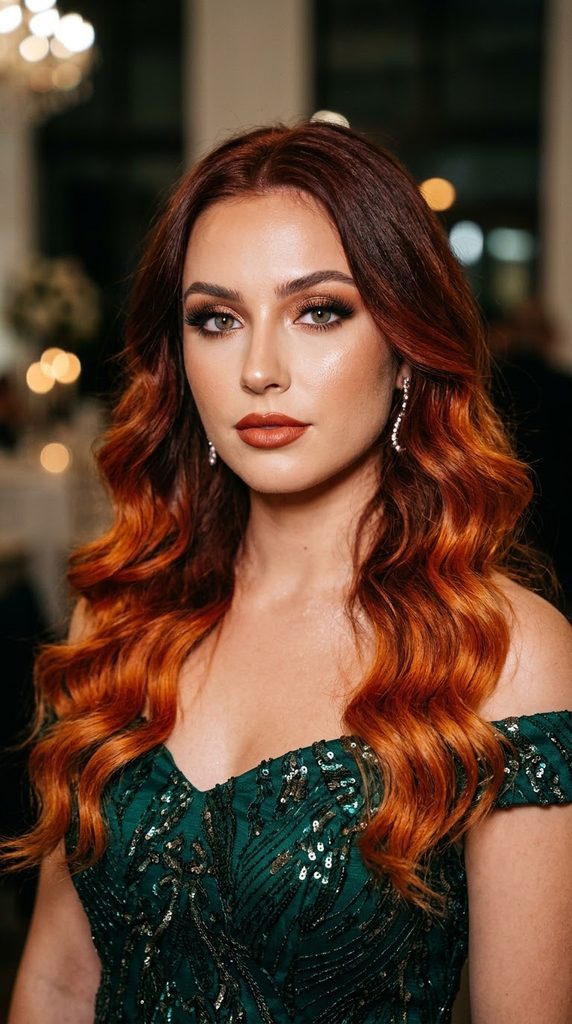
Burnt orange ombre creates a gradual transition from a darker root color to warm orange ends. It is a striking option for anyone who enjoys contrast and wants the color to become more vivid toward the bottom of the hair.
A common version begins with natural dark brown or black roots, transitions through auburn or copper, and finishes with burnt orange ends. The gradient can be subtle or dramatic depending on how light the ends are.
Long hair is especially suitable for ombre because it provides enough length for a smooth color transition. However, the technique can also work on medium-length hair when the placement is carefully planned.
Soft curls and waves highlight the different shades, while straight styling makes the gradient easier to see. You can also experiment with a blunt cut to create a modern, fashion-forward finish.
Remember that the ends may require lightening to achieve a noticeable orange shade, particularly when starting with very dark hair. Ask your stylist how to protect the condition of your hair during the process.
Also read: Pink Highlights
5. Burnt Orange Hair With Copper Highlights
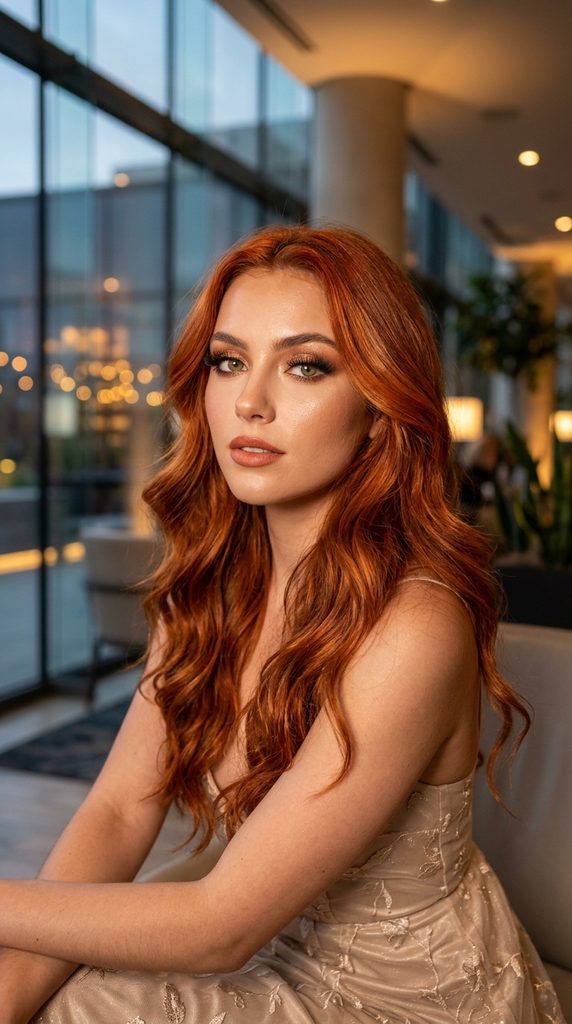
Adding copper highlights to a burnt orange base creates a multidimensional look that feels bright, warm, and glossy. Copper highlights reflect more golden-red light, while the deeper burnt orange sections provide contrast.
This combination is ideal for people who want their hair color to appear more textured without choosing several dramatically different shades. The highlights can be fine and delicate or thicker and more noticeable.
Copper highlights work especially well on layered hair because each section catches the light differently. They can also make waves and curls appear more defined by emphasizing their shape.
For a softer result, request fine highlights blended throughout the hair. If you prefer a bold look, ask for brighter copper pieces around the face and through the upper layers.
A color-safe shampoo and regular conditioning can help maintain the shine of both the base color and the highlights.
6. Burnt Orange on Dark Brown Hair
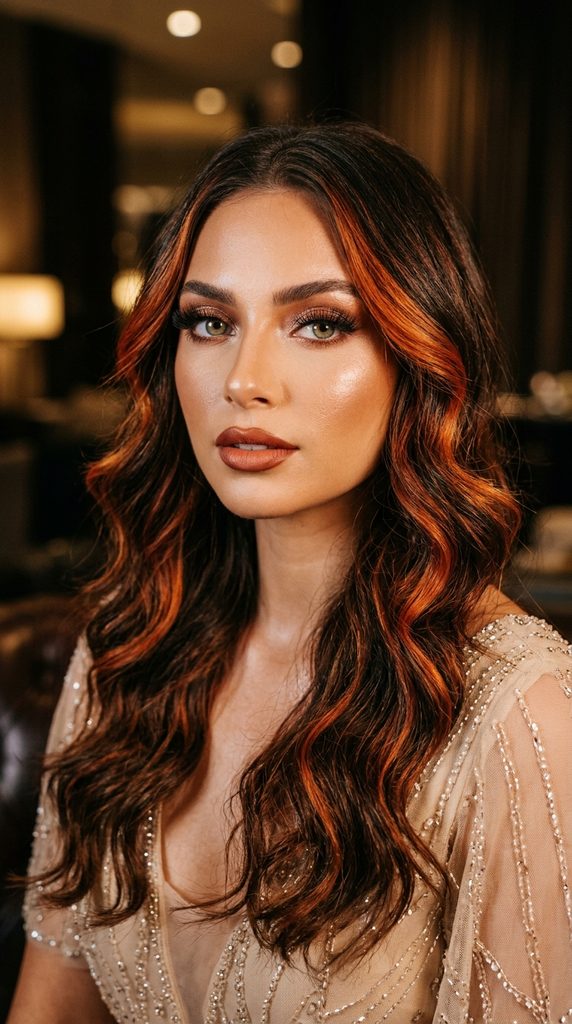
Burnt orange on dark brown hair creates a beautiful balance between natural depth and warm color. Rather than completely replacing your brown base, a colorist can introduce orange-copper sections that blend with your existing shade.
This approach is useful if you want a noticeable change without committing to an all-over bright color. Depending on your starting shade, the burnt orange may appear as a subtle warm reflection or a more vivid contrast.
Balayage and partial highlights are popular ways to achieve this look. They can add warmth to the mid-lengths and ends while keeping the roots close to your natural color.
Dark brown hair with burnt orange accents looks especially attractive in loose waves, long layers, and butterfly cuts. The warm sections create movement and help emphasize the haircut’s shape.
If your hair is very dark, a stylist may need to lighten selected sections before applying the desired orange tone. The amount of lightening required will depend on how vivid you want the final color to be.
7. Burnt Orange Bob
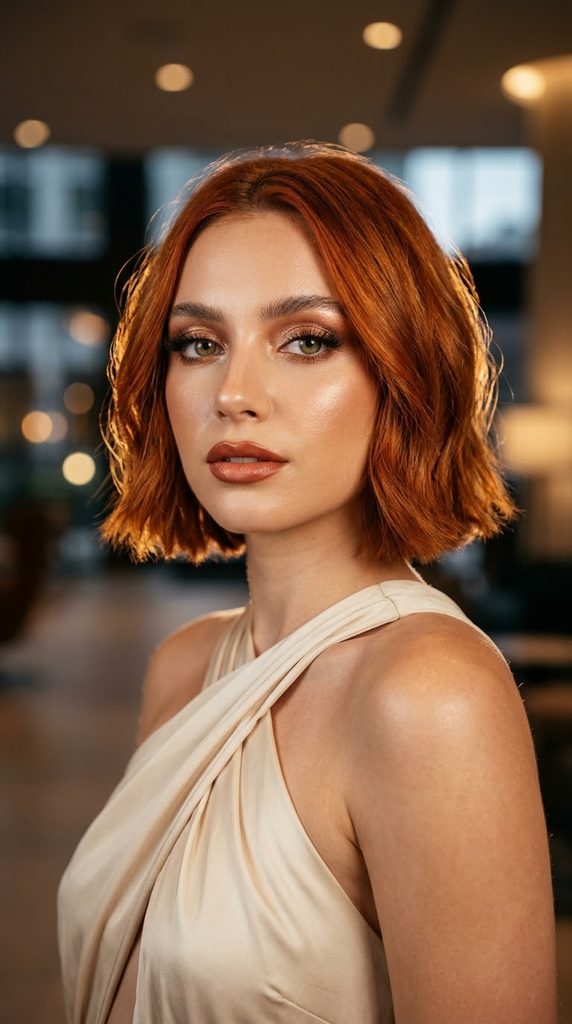
A burnt orange bob is a stylish choice if you prefer shorter hair with a fresh, modern appearance. The color adds personality to the simple shape of a bob, making the haircut look more distinctive.
You can choose a blunt bob for a sharp, contemporary finish or a layered bob for extra movement. A wavy bob creates a relaxed appearance, while a sleek, straight bob highlights the richness and smoothness of the color.
Burnt orange also works well with chin-length and jaw-length cuts. The warm shade draws attention to the haircut’s outline, so the shape itself becomes an important part of the overall look.
For daily styling, use a lightweight heat protectant before blow-drying or straightening. A small amount of smoothing serum on the ends can help create a polished finish without making the hair look greasy.
If you are unsure about committing to a bright shade, a darker burnt orange or copper-auburn version can provide a more subtle introduction to the trend.
8. Burnt Orange Curly Hair
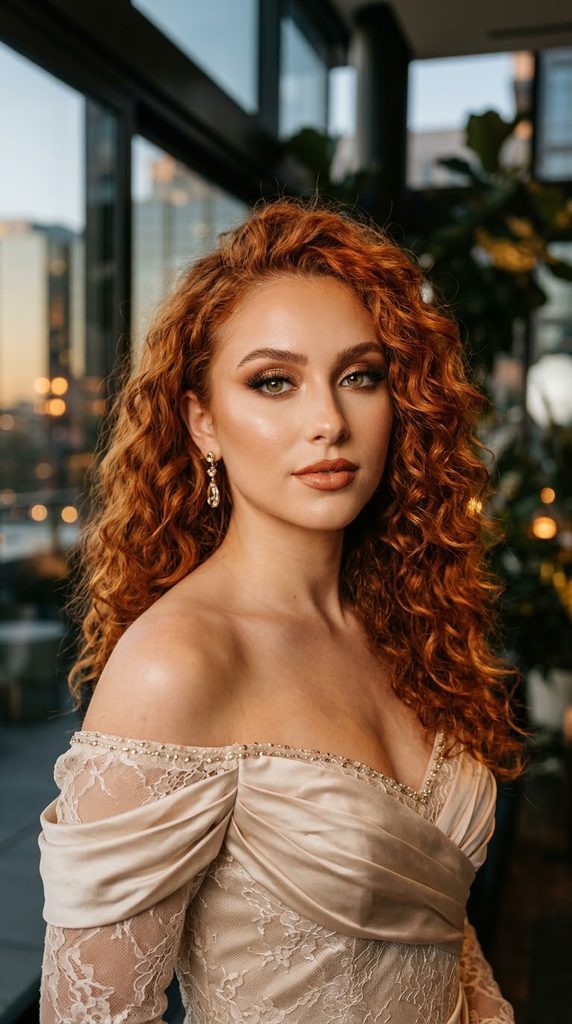
Burnt orange curly hair creates a bold and beautiful combination of color and texture. The warm shade highlights the curves of natural curls, helping individual sections appear more defined.
You can choose an all-over burnt orange color or combine a darker base with brighter copper-orange pieces. The second option creates additional dimension and can make the curls look especially dynamic.
Because curly hair can be more prone to dryness, maintaining moisture is important before and after coloring. A gentle cleansing routine, a moisturizing conditioner, and a suitable leave-in product can help your curls retain their softness.
For styling, apply a curl cream or gel to damp hair and allow it to air-dry or use a diffuser on a gentle setting. Avoid excessive heat, especially if the coloring process involved lightening.
The final shade will depend on your natural hair color and curl pattern, but burnt orange can be customized to suit tight coils, springy curls, and loose curly textures.
9. Burnt Orange Hair With Face-Framing Highlights
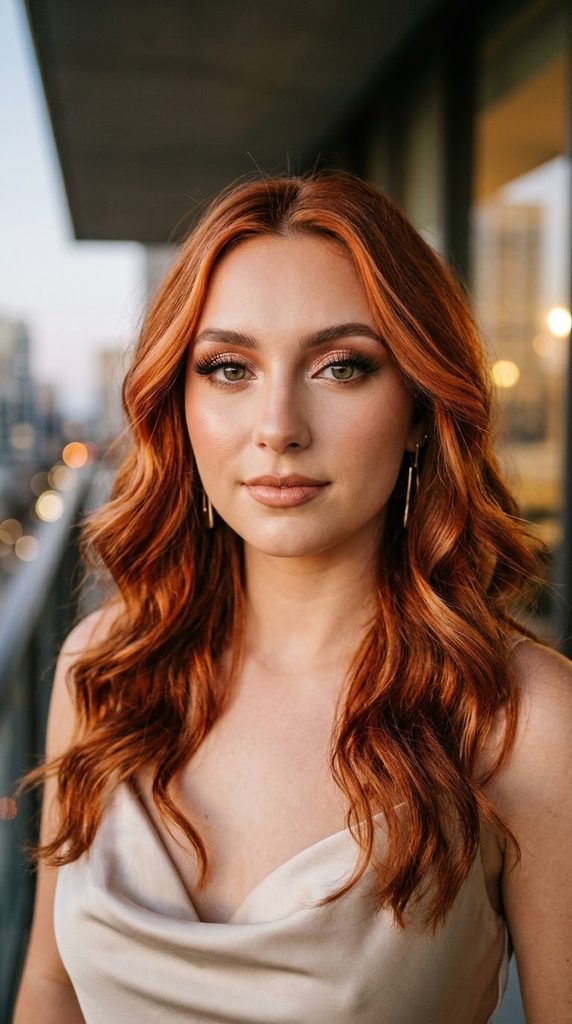
Face-framing burnt orange highlights add warmth around the front sections of your hair while allowing you to keep a darker base. This technique is often called a money-piece style when the front strands are noticeably brighter than the rest of the hair.
You can choose copper-orange highlights that blend softly into brown hair or brighter burnt orange pieces that create a stronger contrast.
This look works with long layers, shoulder-length hair, curtain bangs, and many types of bobs. It is also a useful option if you want to experiment with a warm color without making your entire head orange.
For a balanced result, ask your stylist to coordinate the brightness of the front sections with the rest of your hair. Very bright pieces can create a dramatic effect, while softer highlights provide a more blended appearance.
Style your hair with a blowout or loose waves to emphasize the color placement. Face-framing highlights can also look attractive when the hair is tied into a ponytail or half-up hairstyle.
10. Burnt Orange and Auburn Blend
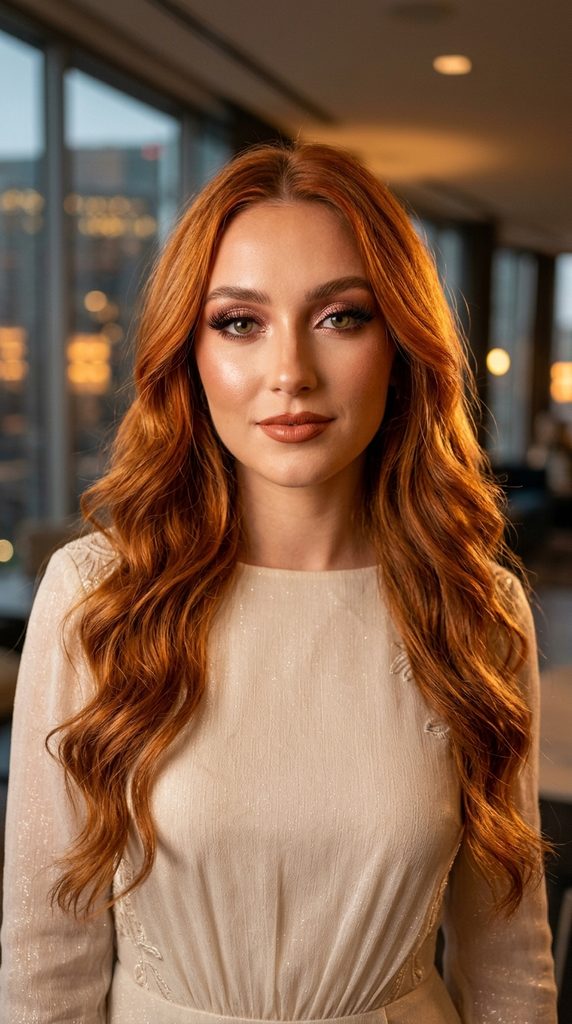
A burnt orange and auburn blend is ideal for anyone who prefers rich red-brown tones with a noticeable hint of orange. Auburn adds depth, while burnt orange creates warmth and brightness.
The combination can be customized in several ways. You might choose an auburn base with burnt orange highlights or blend both shades throughout the hair for a more seamless finish.
This color looks particularly beautiful on long layers, medium-length waves, and textured haircuts. It can also complement a classic bob when you want the haircut to appear rich and dimensional.
If you prefer a subtle appearance, ask for more auburn than orange. For a brighter result, request additional copper-orange pieces through the mid-lengths and ends.
Because auburn and burnt orange belong to a related warm color family, they can blend attractively when the shades are selected carefully. Your colorist can adjust their intensity to suit your natural base and desired result.
11. Soft Burnt Orange on Medium-Length Hair
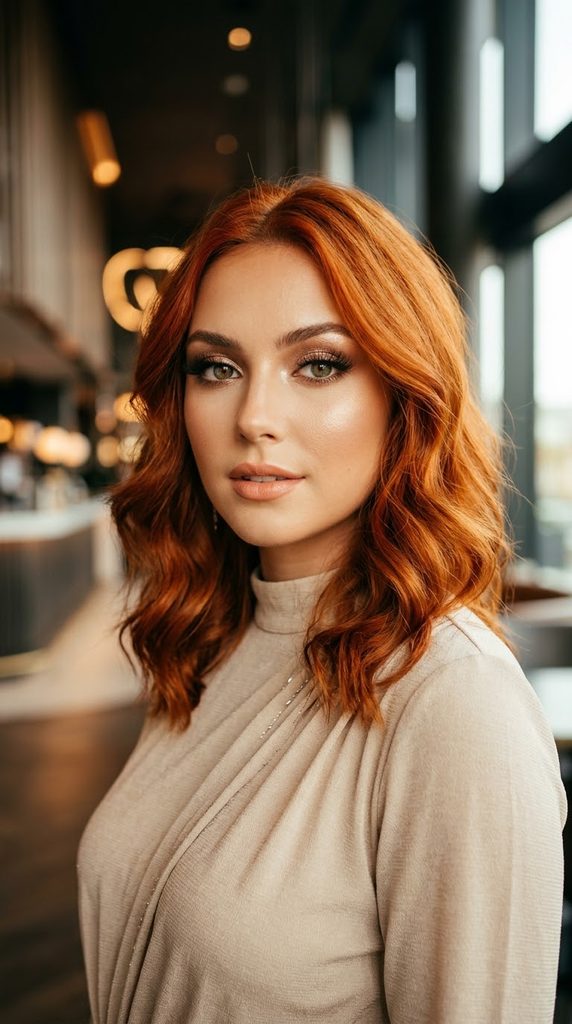
Medium-length hair provides a versatile canvas for burnt orange because it is long enough to display color variation but short enough to style easily.
A soft burnt orange shade creates a warm, wearable look that is less intense than vivid orange. It can be applied all over or combined with a slightly darker root for a more blended finish.
Shoulder-length layers, collarbone cuts, and textured lobs are particularly suitable for this color. Loose waves add dimension, while a smooth blowout gives the shade a polished appearance.
If you want a low-maintenance result, discuss a root-melt technique with your stylist. This blends a darker root into the warmer lengths, reducing the appearance of a sharp line as the hair grows.
Medium-length burnt orange hair can be styled in ponytails, half-up looks, braids, and simple everyday waves, making it a practical option for different occasions.
12. Burnt Orange Highlights on Black Hair
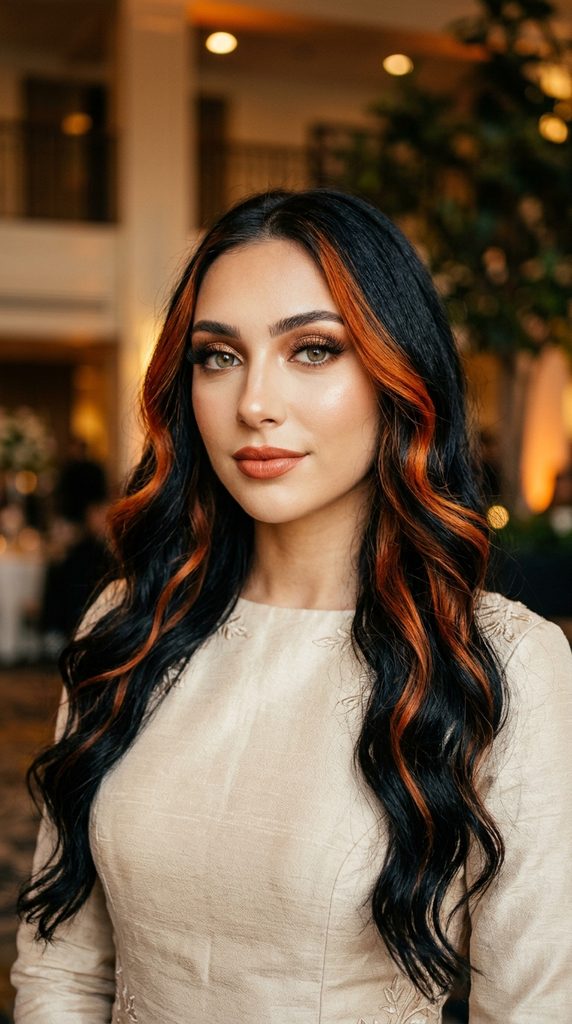
Burnt orange highlights on black hair create a dramatic contrast between a deep, cool-looking base and warm copper-orange strands. The result can be bold while still allowing your natural color to remain the main feature.
The highlights can be concentrated around the face, scattered through the mid-lengths, or placed mainly toward the ends. Each placement creates a different effect.
For a subtle look, choose fine highlights in a deep burnt copper shade. For a more dramatic transformation, opt for brighter orange pieces that stand out against the black base.
Black hair may need lightening before a clear burnt orange tone becomes visible. Reaching a bright shade can require more than one session, depending on the hair’s condition and previous color treatments.
Ask your stylist to assess your hair before deciding how light to go. A gradual approach can help reduce unnecessary damage while allowing you to build toward your preferred color.
13. Burnt Orange Pixie Cut
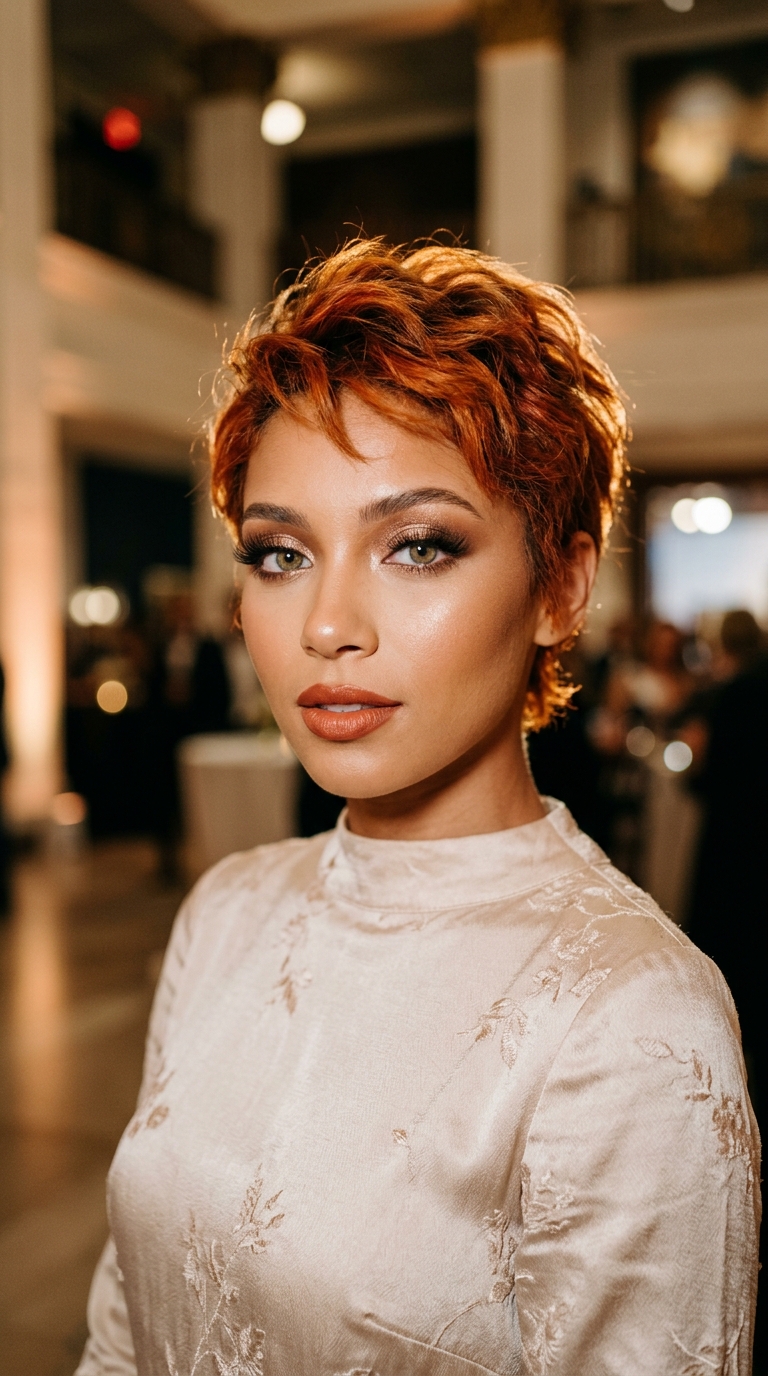
A burnt orange pixie cut is a confident option for anyone who loves short hair and expressive color. Because the haircut is compact, the warm shade becomes a central part of the style.
You can choose a textured pixie with choppy layers for an edgy finish or a softer pixie with longer bangs for a more relaxed appearance. Dark burnt orange works well for understated styling, while brighter copper-orange tones create a stronger statement.
Styling is usually straightforward. Use a small amount of lightweight styling paste or cream to define the layers without weighing them down.
A pixie cut can also make color maintenance easier because the hair is shorter, although the roots may become noticeable quickly if your natural color contrasts strongly with the dyed shade.
If you want a bold transformation, a burnt orange pixie offers a combination of modern shape, warm color, and easy day-to-day styling.
14. Burnt Orange With Curtain Bangs
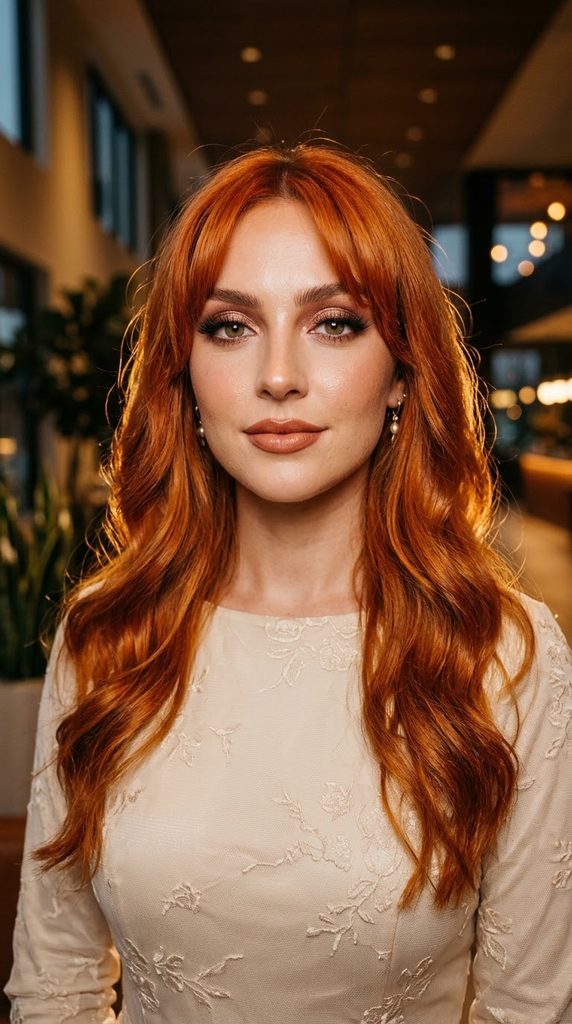
Curtain bangs add softness and movement to burnt orange hair. Their face-framing shape blends into the rest of the haircut, creating a relaxed appearance that works with long hair, medium-length layers, and some bob styles.
The color can be applied throughout the hair or concentrated around the bangs and front layers. A slightly brighter shade near the face can emphasize the haircut, while a uniform color creates a more cohesive result.
Curtain bangs look especially attractive when styled with loose waves or a round-brush blowout. The curved shape of the fringe creates movement and complements the warmth of the orange tones.
Keep in mind that bangs often need more frequent styling than the rest of the hair. If you use heat tools, apply heat protectant and choose a temperature appropriate for your hair type.
For the best result, ask your stylist to select a bang length and color placement that work with your hair texture, face shape, and everyday routine.
15. Burnt Orange With Dark Roots
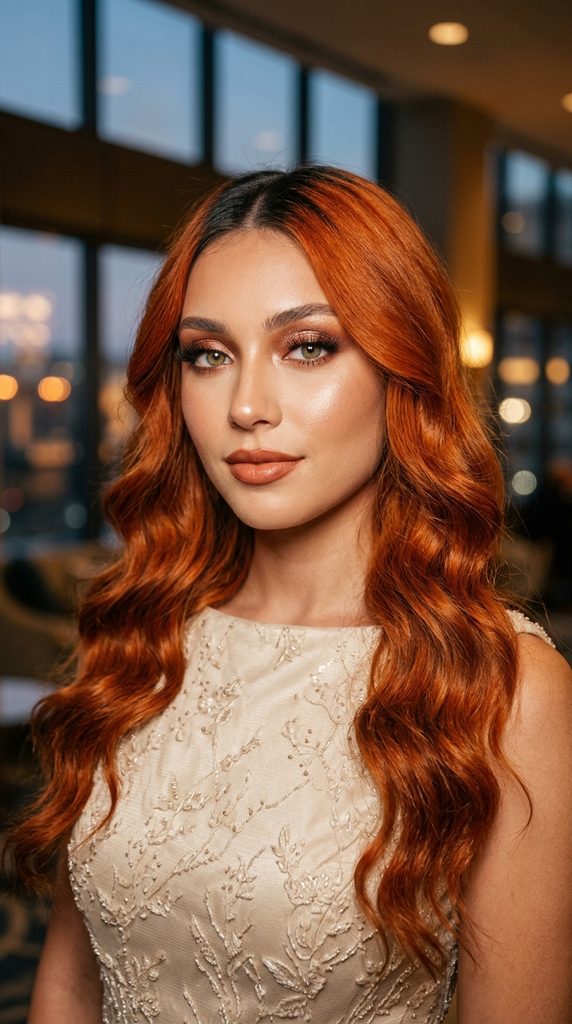
Burnt orange hair with dark roots is an excellent choice if you want a bold color with a softer transition from your natural shade. The darker root creates depth, while the burnt orange lengths provide warmth and brightness.
This look can be achieved with a root shadow, root melt, or a deliberately darker root area. The technique used will determine how smoothly the two colors blend.
Dark-rooted burnt orange works beautifully on long waves, layered cuts, textured bobs, and curly hairstyles. The contrast can make the color look more dimensional while allowing natural regrowth to blend in more easily than a solid light shade.
You can choose a deep brown root for a softer result or a nearly black root for stronger contrast. The burnt orange lengths can range from dark copper to brighter autumn orange.
Discuss your maintenance expectations with your stylist before choosing the final placement. A blended root can reduce the need for frequent root touch-ups, but the orange lengths may still need color-refreshing treatments.
How to Choose the Best Burnt Orange Shade for Your Skin Tone
Burnt orange comes in several variations, and choosing the right one can help you achieve a balanced overall appearance. Skin undertone is one useful consideration, but it should not be the only factor. Your natural hair color, personal preferences, makeup style, and willingness to maintain the shade also matter.
Warm Undertones
If your skin has golden, peachy, or warm undertones, you may enjoy golden copper, cinnamon orange, or classic burnt orange shades. These colors can create a harmonious warm appearance.
You do not have to choose the brightest option. A softer copper-auburn blend can offer a more understated finish.
Cool Undertones
If your skin has pink, rosy, or cool undertones, you can experiment with deeper burnt orange shades that contain more auburn or red-brown pigment. These variations may feel more balanced than an extremely golden orange.
However, there are no strict rules. A bold orange shade can look striking against cool undertones if that is the effect you want.
Neutral Undertones
Neutral undertones offer flexibility because both warm and balanced copper shades may work well. You can explore classic burnt orange, copper highlights, or a deeper orange-brown blend.
Consider your natural hair color and the amount of contrast you prefer when choosing between these options.
Helpful tip: Ask your stylist to compare a few color references before applying the dye. The same shade can look different under salon lighting, natural daylight, and indoor lighting.
Does Burnt Orange Hair Color Work on Dark Hair?
Yes, burnt orange can work on dark brown and black hair, but the final result depends on your starting color and the intensity you want.
If you prefer a subtle change, a colorist may be able to create a warm brown-orange effect with limited lightening or carefully selected color techniques. If you want vivid copper-orange lengths or bright highlights, lightening may be necessary.
Previously colored hair can be more complicated because artificial pigment may not lift as predictably as natural pigment. For this reason, it is important to tell your stylist about any previous dye, bleach, henna, or chemical treatments.
Avoid trying to force a very light orange shade in one session if your hair needs significant lightening. Your stylist can recommend a gradual approach based on your hair’s condition.
How to Maintain Burnt Orange Hair Color
Burnt orange hair can gradually lose its vibrancy because orange and copper tones may fade with repeated washing, heat exposure, and sunlight. A consistent care routine can help preserve the color and keep your hair looking healthy.
1. Use Color-Safe Shampoo
Choose a gentle shampoo formulated for color-treated hair. Harsh cleansing products and frequent washing may make the color fade faster.
Wash your hair as often as needed for your scalp, but avoid unnecessary washing simply out of habit. When appropriate, rinsing with lukewarm water can be gentler than using very hot water.
2. Condition Your Hair Regularly
Conditioner helps improve softness, manageability, and the appearance of shine. If your hair has been lightened, consider adding a moisturizing hair mask to your routine.
Concentrate conditioner on the mid-lengths and ends if your roots become oily easily.
3. Reduce Excessive Heat Styling
Frequent use of straighteners, curling irons, and very hot blow-dryers can contribute to dryness and color fading.
Apply a heat protectant before using hot tools, and choose a moderate temperature suitable for your hair texture and condition. Whenever possible, alternate heat styling with air-dried looks.
4. Protect Your Hair From Sun Exposure
Strong sunlight may contribute to fading, especially when hair has been lightened. Wear a hat when spending extended periods outdoors, and consider hair products designed to offer UV protection.
5. Refresh the Color When Needed
Your stylist may recommend a gloss, toner, or color-depositing product to refresh the burnt orange tone between full coloring appointments.
The right option depends on your hair color, the products originally used, and how much the shade has faded. Follow the product instructions and avoid layering strong treatments without guidance.
6. Schedule Root Touch-Ups According to Your Technique
Solid burnt orange color may show regrowth more clearly than balayage or a blended dark-root style. Your ideal salon schedule depends on how quickly your hair grows, how different your natural color is, and how precise you want the result to look.
A blended root can offer more flexibility if you prefer fewer appointments.
Is Burnt Orange Hair Color High Maintenance?
Burnt orange hair can be low, medium, or high maintenance depending on how it is applied.
A full-head color that contrasts strongly with your natural roots may need regular touch-ups. Bright orange shades may also require color-refreshing products or salon gloss treatments to maintain their appearance.
Balayage, ombre, and dark-rooted burnt orange can be easier to grow out because the natural root color remains part of the look. However, lighter ends can still fade or become dry and may need additional care.
Before coloring your hair, consider how often you are willing to visit a salon and how much time you want to spend on hair care. A beautiful shade should also fit your everyday routine.
Final Thoughts
Burnt orange hair color is a versatile way to add warmth, depth, and personality to your hairstyle. From classic burnt orange and dark copper shades to balayage, ombre, curly styles, and burnt orange bobs, there are many ways to make the trend your own.
If you prefer a subtle transformation, try burnt orange highlights on dark brown hair or choose a blended root. If you want a bold change, consider a full-head burnt orange color, a vivid ombre, or a short pixie cut.
The best result comes from choosing a shade that suits your starting hair color, desired appearance, and maintenance routine. With the right coloring technique and a gentle hair-care routine, burnt orange hair can remain a beautiful, eye-catching choice throughout the year.
Frequently Asked Questions
1. What is burnt orange hair color?
Burnt orange is a warm hair color that blends orange with copper, red, and brown undertones. It is usually deeper and more muted than bright orange, giving it a rich, autumn-inspired appearance.
2. Is burnt orange hair color good for brunettes?
Yes. Brunettes can try burnt orange through balayage, highlights, ombre, or a full-head color. Dark brown hair with burnt orange accents is particularly useful if you want warmth and dimension while keeping some of your natural color.
3. Does burnt orange hair look good on dark skin?
Burnt orange can look beautiful on dark skin. Deep copper, auburn-orange, and vivid burnt orange shades can create different effects. The best choice depends on your personal style, preferred contrast, and the particular undertones of the color.
4. Does burnt orange hair fade quickly?
Burnt orange may fade with repeated washing, heat styling, and sun exposure. Using color-safe shampoo, conditioning regularly, limiting excessive heat, and refreshing the tone when needed can help maintain its appearance.
5. Can I get burnt orange hair without bleaching?
Sometimes. A subtle warm orange-brown result may be possible without extensive lightening, depending on your natural hair color and the dye used. Brighter shades usually require a lighter base, so ask a professional colorist to assess your hair before choosing a technique.
6. Which haircut looks best with burnt orange hair?
Burnt orange works with many haircuts, including bobs, pixie cuts, long layers, curtain bangs, curly hairstyles, and medium-length lobs. Choose a haircut that suits your hair texture and lifestyle rather than relying on color alone.
7. How can I make burnt orange hair look shiny?
Use a suitable conditioner, reduce excessive heat styling, and consider a salon gloss if recommended by your colorist. Healthy-looking hair and a well-maintained color can help create a glossy finish.
8. Is burnt orange hair suitable for all seasons?
Yes. Although burnt orange is often associated with autumn, lighter copper-orange variations can feel bright and fresh in warmer months, while deeper auburn-orange shades can create a rich look in winter. The color can be adapted throughout the year.
9. What colors go well with burnt orange hair?
Burnt orange hair pairs well with clothing in cream, black, chocolate brown, olive green, denim blue, and other earthy shades. These are styling suggestions rather than strict rules, so choose colors that fit your personal wardrobe.
10. Should I dye my hair burnt orange at home or visit a salon?
A home dye may work for a straightforward color change on suitable hair, but achieving a specific burnt orange shade can be more complicated if your hair is very dark, previously colored, or uneven in tone. A professional can assess your starting color and help you choose an appropriate formula and technique.

- 15 Short Wavy & Curly Hairstyles for Women to Try in 2026 - October 24, 2026
- Short Wavy & Curly Hairstyles - October 24, 2026
- Medium Layered Haircuts - October 24, 2026


