
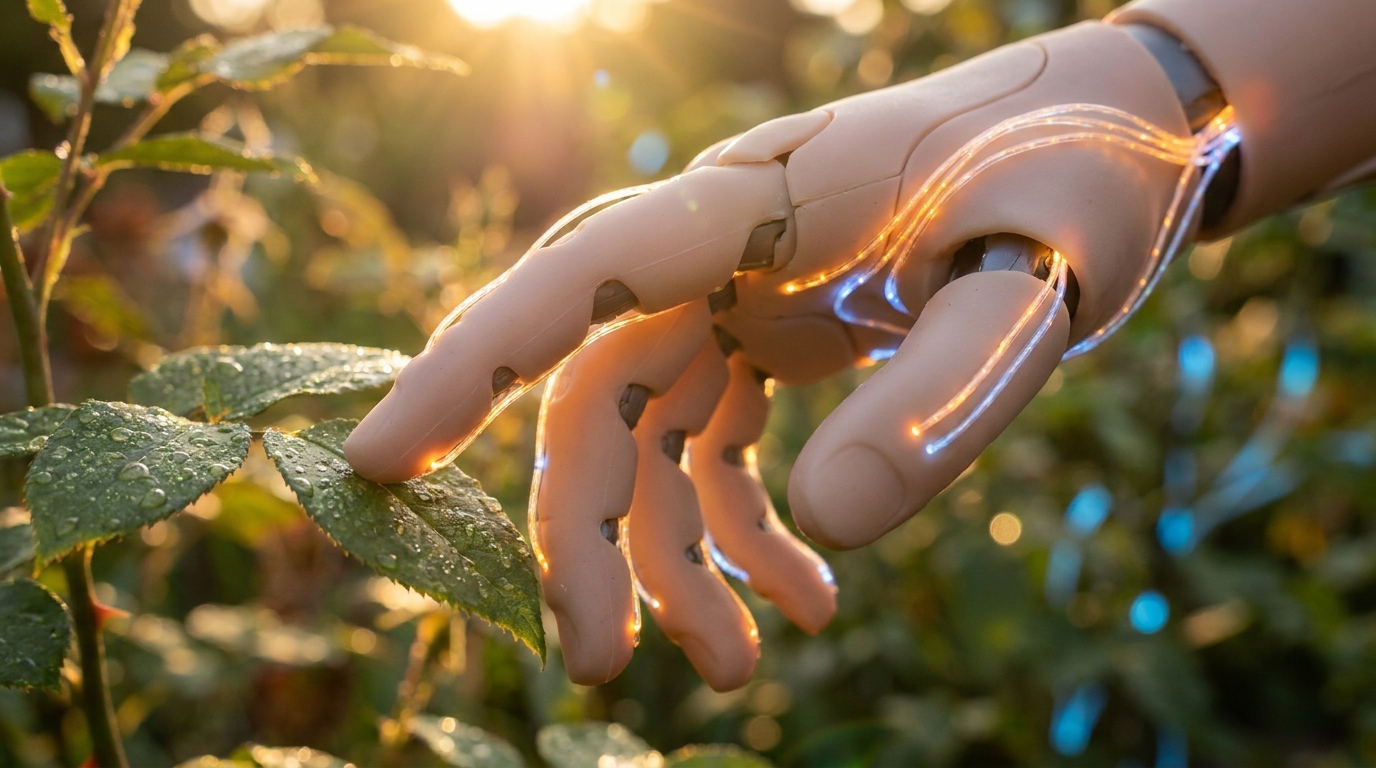

Imagine a prosthetic limb that does not just move when you want it to but actually feels what it is touching. That is exactly the promise behind electronic hairs for prosthetic control, one of the most exciting ideas in bioengineering right now. Honestly, when I first read about it, I could not stop thinking about how close we are getting to giving artificial limbs a real sense of touch.
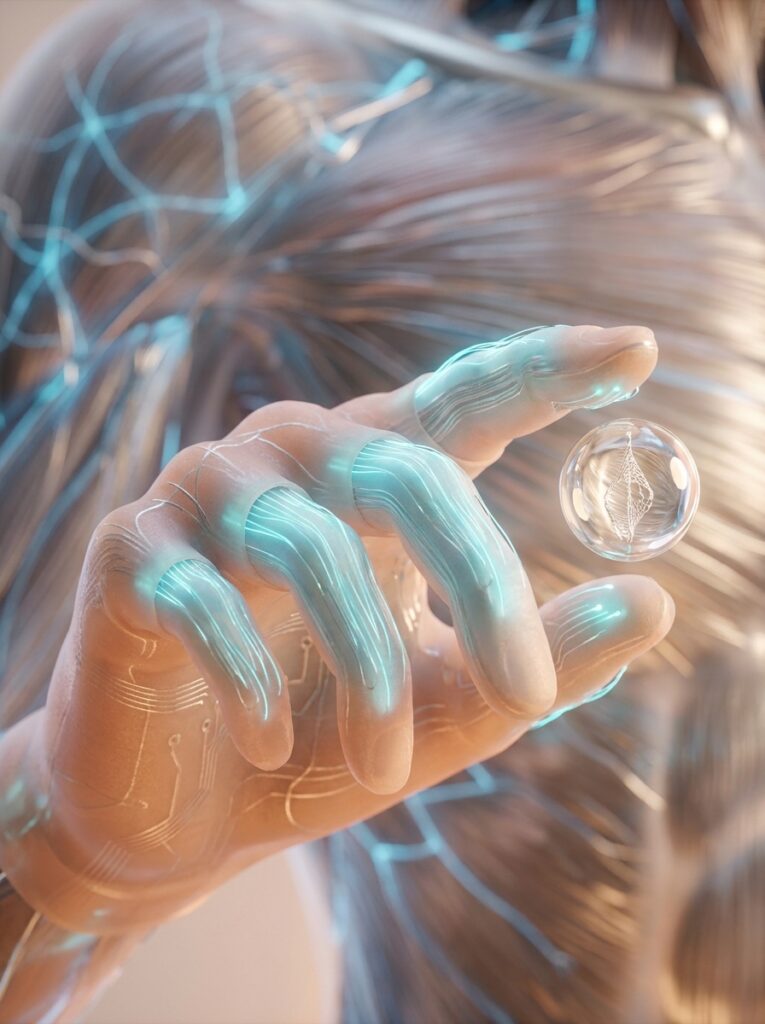
The basic idea sounds almost too simple to be true. Tiny hair like sensors are placed on or inside the body to pick up the signals our muscles and skin naturally produce. As a result, a prosthetic device can respond more smoothly, more accurately, and far more like a real arm or hand.
So in this article, let me walk you through what these electronic hairs actually are, how they work, and why they could change so many lives. I will keep things friendly and easy to follow, even though the science underneath is genuinely cutting edge.
What Electronic Hairs Actually Are
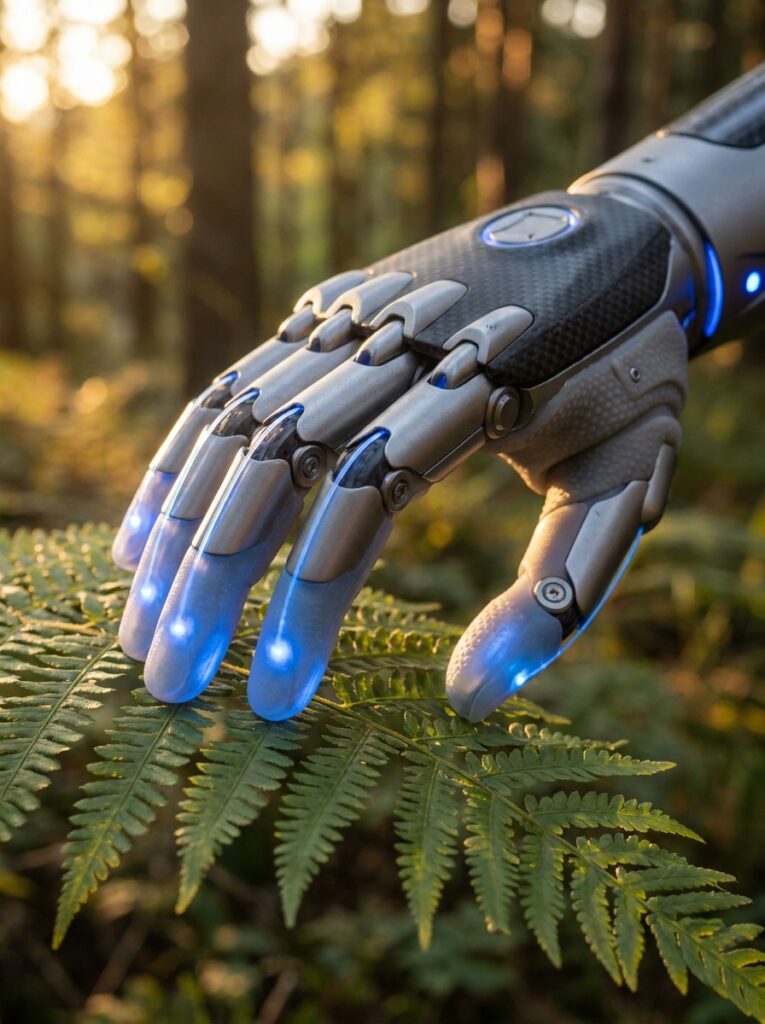
At their heart, electronic hairs are extremely thin, flexible sensors shaped a bit like strands of hair. Some sit on top of the skin while others are gently implanted into muscle tissue. Either way, the goal is to capture tiny electrical or physical signals from the body.
What makes them special is their softness and their size. Older sensors were often rigid, which could damage delicate tissue over time. These new hair like versions, however, are designed to bend and conform to the body, so they feel far more natural inside or against living tissue.
Researchers have built them from all sorts of clever materials, including fine microwires and flexible polymers. Recently, scientists writing in Nature Sensors described flexible electronic hairs that can be implanted into muscle where they conform to the tissue. So the technology is moving fast from lab idea to real possibility.
How They Help Control a Prosthetic Limb
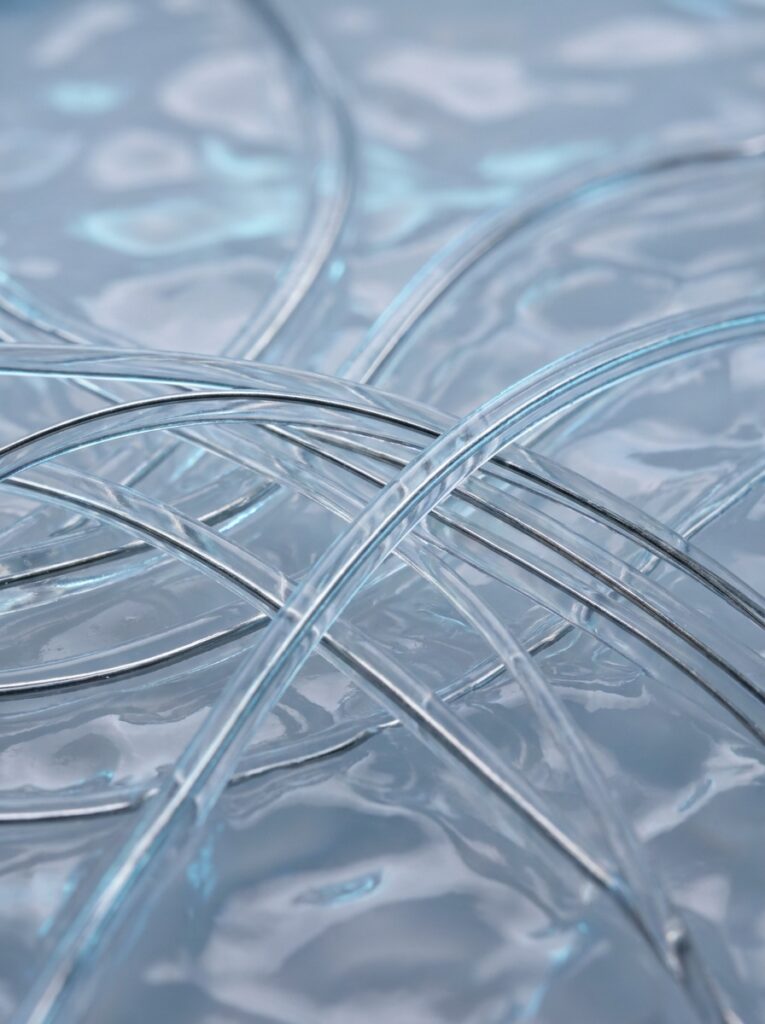
To understand why these sensors matter, it helps to know how prosthetics are usually controlled. Many advanced artificial limbs read electrical signals from your muscles, a process known as electromyography. When you try to move, your muscles fire, and those signals can be turned into commands for the limb.
The trouble is that picking up clean, reliable signals has always been tricky. Surface sensors can be noisy, while older implanted ones could be invasive or uncomfortable. This is exactly where electronic hairs step in and shine.
Because they are so thin and flexible, they can record muscle activity right at the source with less tissue damage. As a result, the prosthetic gets clearer, steadier signals to work with. So your intended movement translates into actual movement far more smoothly.
The Clever Science of Getting Them Inside

One of the biggest challenges has always been implantation. Putting a sensor into stiff muscle tissue normally meant surgery or sharp needles, which causes bleeding and discomfort. Naturally, that has held the technology back for years.
A recent breakthrough tackled this in a really inventive way. Researchers developed a method using tip focused radiofrequency, which creates a tiny, confined burst of heat at the tip of each electronic hair. This allows the soft sensor to slip into skin or muscle almost bloodlessly, without a big surgical procedure.
Even better, these implanted hairs can work as plug and play devices. So once they are in place, they can both record muscle signals and deliver gentle electrical stimulation. That two way ability is a huge step toward more natural prosthetic control.
Why Softness Matters So Much

You might wonder why everyone keeps emphasizing how soft and flexible these sensors are. The answer comes down to how our bodies react to foreign objects. Rigid materials can irritate tissue, cause inflammation, and eventually stop working well.
Electronic hairs are built to avoid this problem from the start. Some designs use a special insulating layer to reduce the risk of thermal damage to nearby tissue. Others include a coating that stiffens the hair for easy insertion, then softens again once it is safely inside and hydrated.
Because of these thoughtful details, the sensors can stay in place comfortably for longer periods. So the connection between the electrode and the tissue stays stable. That long term stability is exactly what reliable prosthetic control needs.
Borrowing Ideas From Nature
It might surprise you to learn that a lot of this technology is inspired by biology. Real hairs cover most of our bodies and help us feel even the lightest pressure, like a gentle breeze or a tiny insect landing on our skin. Scientists noticed this and thought, why not copy it.
In fact, researchers have studied how animals use hair to sense their surroundings. Bats, for instance, use hair on their wings to detect airflow and adjust their flight in a split second. That kind of natural sensitivity is incredibly inspiring for engineers.
So by mimicking these natural feelers, electronic hairs aim to give artificial skin and limbs a similar superpower. The idea is to sense subtle touch, pressure, and even the direction of a breeze. As a result, prosthetics could one day feel far closer to the real thing.
Adding a Sense of Touch Back
For many people, losing a limb also means losing the rich sense of touch that came with it. This is where electronic hairs become deeply meaningful, not just clever. They open the door to giving that sense back in a usable way.
Some hairy electronic skin designs can detect remarkably tiny forces. In one study, sensors embedded with magnetic microwires could sense the weight of something as light as a fly. So we are talking about astonishing sensitivity here.
When this kind of sensing is paired with a prosthetic, the possibilities grow quickly. A hand could detect slip and friction, which helps it hold a cup without crushing it or dropping it. Honestly, those small everyday wins are what truly improve quality of life.
Recording and Stimulating at the Same Time
A really powerful feature of these systems is that they can work in both directions. They do not just read what your muscles are doing. They can also send signals back into the body.
This two way ability is sometimes called closed loop control. The sensor records your neuromuscular signals, the prosthetic responds, and then stimulation can provide feedback. So you get a continuous, responsive conversation between body and machine.
That feedback loop is a big deal for natural movement. Instead of guessing how hard you are gripping, the system can sense it and adjust. As a result, controlling the limb starts to feel more intuitive and less like operating a machine.
The Materials Behind the Magic
The materials used in electronic hairs are genuinely fascinating, even if you are not a science buff. Engineers have experimented with graphene, fine cobalt based microwires, nylon fibers, and soft rubbery polymers. Each material brings something different to the table.
Take one example where researchers used nylon fibers as artificial hairs on a soft skin like base. The fibers were chosen to mimic the diameter and stiffness of real human hair. As a result, the sensor could detect pressure, surface roughness, and even airflow direction.
Choosing the right material is a careful balancing act. The sensor needs to be sensitive enough to catch faint signals yet tough enough to survive inside the body. So a lot of the progress in this field comes down to clever material science.
Real Hurdles That Still Remain
As exciting as all this is, I want to be honest about the challenges too. This technology is still mostly in the research and testing stage. Moving from a successful lab demonstration to an everyday medical device takes years of careful work.
One major hurdle is the gap between biology and electronics. Our nervous system communicates using electrochemical signals, which are quite different from the electronic signals in sensors. So creating a smooth interface where the two can truly talk to each other is still a work in progress.
There are also practical questions to answer. How long do the sensors last, how does the body respond over years, and how affordable can they become. Until these are sorted, widespread use stays a longer term goal rather than a tomorrow reality.
Who Could Benefit the Most
When I think about the human side of this, the potential really hits home. People who have lost limbs through injury, illness, or accident stand to gain the most. Better control and restored touch could make daily tasks far easier and safer.
Beyond amputees, the technology could help in other areas too. Researchers see uses in human machine interfaces, advanced robotics, and even health monitoring. So the same ideas behind prosthetic control could ripple out into many fields.
There is also a quiet emotional benefit worth mentioning. A prosthetic that feels more natural can help someone feel more whole and confident. So this is about dignity and independence, not just engineering.
What the Future Might Look Like
Looking ahead, it is genuinely thrilling to imagine where this could go. Picture prosthetic limbs that respond instantly to your thoughts and let you feel textures, temperature, and pressure. That future suddenly feels less like science fiction and more like a real destination.
As implantation gets safer and materials get smarter, these sensors should become more reliable and longer lasting. Combined with better software and artificial intelligence, prosthetics could keep learning and adapting to each person. So control would become more personal over time.
Of course, progress will be gradual, and that is perfectly okay. Each study, like the recent work on flexible electronic hairs, adds another piece to the puzzle. So step by step, the dream of natural prosthetic control keeps getting closer.
Why This Research Truly Matters
It is easy to get lost in the technical details and forget the bigger picture. At its core, this research is about restoring abilities that people deeply miss. That human goal is what makes electronic hairs for prosthetic control so important.
Every improvement, no matter how small it seems, can change someone’s daily life. A firmer grip, a gentler touch, a more natural movement, these things add up enormously. So the science is meaningful precisely because it serves real people.
That is also why I find this field so worth following. It blends biology, engineering, and genuine compassion in a beautiful way. Honestly, it is a wonderful reminder of how technology can be used to heal and uplift.
Final Thoughts
When you step back and look at it all, electronic hairs for prosthetic control feel like a quiet revolution in the making. They take inspiration from our own bodies and turn it into tools that could restore touch and movement. So even though the work is still unfolding, the direction is genuinely hopeful.
If you take one thing away from this, let it be that small ideas can have huge impact. A sensor as thin as a hair might one day help someone hold their child’s hand and actually feel it. Honestly, that possibility alone makes every bit of this research worthwhile.
Frequently Asked Questions
What are electronic hairs for prosthetic control? They are tiny, flexible, hair like sensors used to pick up signals from muscles or skin. These signals then help control a prosthetic limb more naturally. Some versions can also send feedback signals back into the body.
How are these sensors placed in the body? Some sit on the surface of the skin, while others are gently implanted into muscle. A recent method uses tip focused radiofrequency to insert them almost bloodlessly. So this avoids the need for major surgery or sharp needles.
Can electronic hairs restore a sense of touch? That is one of the main goals behind them. Certain designs can detect incredibly light pressure, even something as faint as a fly landing. So pairing them with prosthetics could help bring back a usable sense of touch.
Are these devices available to use right now? Not widely, since the technology is still mostly in research and testing. Scientists are working hard on safety, durability, and the body machine interface. So real world use is likely a longer term goal rather than something available today.
Who could benefit from this technology? People with limb loss stand to gain the most through better control and restored touch. Beyond that, the ideas could help in robotics and health monitoring too. So the potential reach of this research is genuinely broad.